












Вернуться к производству деталей
Последнее обновление: 14 августа 2026 г.
Автор: Феликс Ли, генеральный директор компании Forgecise
Рецензент: Forgecise Инженерная команда
Table of Contents
Быстрый ответ
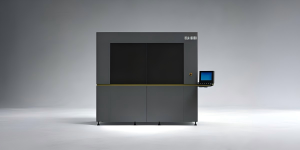
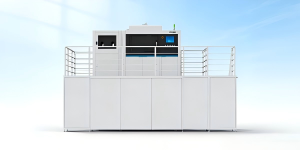
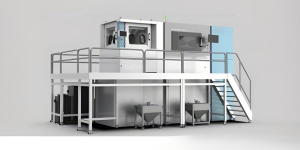
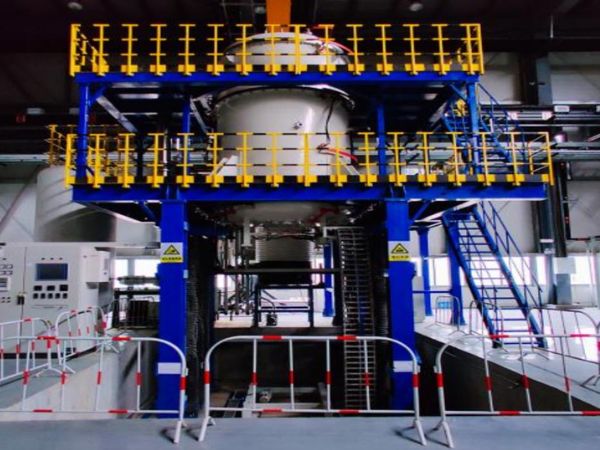
А вертикальная вакуумная печь для термообработки Это промышленная печь, предназначенная для термообработки крупных металлических компонентов в контролируемой вакуумной среде. Она широко используется для обработки высокотемпературных сплавов, титановых сплавов и компонентов из нержавеющей стали, требующих чистой обработки, точного контроля температуры и улучшения характеристик материала.
Основные моменты вкратце
- Вертикальная вакуумная печь для термообработки предназначена для применения в аэрокосмической, промышленной и высокоточной металлообработке.
- Это поддерживает Эффективный рабочий размер Φ1300 × 3000 мм и Максимальная грузоподъемность 3000 кг..
- Печь работает при температуре 500–1250 °C с Точность регулирования температуры ≤ ±1°C.
- Оно поддерживает важные процессы, в том числе вакуумная обработка раствором, вакуумный отжиг и вакуумная обработка старением.
- Подходит для высокотемпературных сплавов, титановых сплавов, компонентов из нержавеющей стали и других современных металлических материалов.
Современное производство зависит от материалов, способных выдерживать экстремальные условия.
Авиационные двигатели, титановые конструкции и промышленные компоненты должны сохранять прочность, стабильность и надежность в процессе эксплуатации. Небольшие изменения в процессе термообработки могут повлиять на конечное качество компонента.
Вот почему производители используют вертикальная вакуумная печь для термообработки.
Цель этого оборудования — не только нагрев металла. Оно создает контролируемую среду, в которой температура, вакуумные условия и время обработки совместно улучшают свойства современных материалов.
В ForgeciseНаша цель – помочь производителям выбрать решения для промышленной термообработки, которые соответствуют их требованиям к материалам, размерам компонентов и производственным целям.
Что такое вертикальная вакуумная печь для термообработки?
Краткий ответ:
Вертикальная вакуумная печь для термообработки — это промышленная система нагрева, которая обрабатывает металлические компоненты внутри вакуумной камеры. Она помогает производителям обрабатывать крупные детали, снижая окисление, предотвращая загрязнение и поддерживая точный контроль температуры.
Вертикальная вакуумная печь для термообработки использует конструкцию с вертикальной камерой в сочетании с вакуумной технологией.
During operation, air is removed from the furnace chamber before heating begins. This creates a cleaner processing environment compared with traditional heating systems.
The vacuum environment helps:
- Reduce oxidation on metal surfaces
- Lower contamination risks
- Maintain material quality
- Improve processing consistency
The vertical structure also provides advantages when manufacturers need to process long or large components.
For example, aerospace suppliers often work with complex alloy parts that require strict thermal control. A stable furnace environment helps reduce process variation and improves repeatability between production batches.
What Materials Can a Vertical Vacuum Heat Treatment Furnace Process?
Short Answer:
A vertical vacuum heat treatment furnace is mainly used for advanced metals such as high-temperature alloys, titanium alloys, and stainless steel components. These materials require controlled heating conditions to achieve better strength, stability, and surface quality.
Different industries choose vacuum heat treatment because advanced materials often need more precise processing than standard metals.
High-Temperature Alloys
High-temperature alloys are designed to perform under extreme heat conditions.
Common applications include:
- Aerospace engine components
- Heat-resistant parts
- High-performance mechanical components
Many high-temperature alloys, including nickel-based superalloys, require careful thermal processing because oxidation can affect surface quality and material performance.
A vacuum furnace helps manufacturers process these materials under controlled conditions.
Titanium Alloys
Titanium alloys are widely used in aerospace manufacturing because they provide:
- High strength with low weight
- Good corrosion resistance
- Reliable performance in demanding environments
Vacuum heat treatment helps process titanium components while reducing oxygen exposure during heating.
Typical applications include:
- Aircraft structural components
- Lightweight aerospace parts
- Precision titanium assemblies
For manufacturers working with titanium alloys, maintaining a clean heating environment is an important part of achieving consistent results.
Stainless Steel Components
Stainless steel parts can also benefit from vacuum heat treatment.
Typical uses include:
- Precision mechanical components
- Industrial equipment parts
- Specialized metal assemblies
Vacuum processing helps improve surface cleanliness and maintain stable dimensions after treatment.
What Heat Treatment Processes Can This Vacuum Furnace Perform?
Short Answer:
A vertical vacuum heat treatment furnace can perform vacuum solution treatment, vacuum annealing, and vacuum aging treatment. These processes help improve metal structure, reduce internal stress, and increase strength and durability.
Each process serves a different purpose depending on the material and final application.
Vacuum Solution Treatment
Vacuum solution treatment changes the internal structure of metal materials.
Main benefits include:
- Improved material strength
- Better heat resistance
- More uniform internal structure
Aerospace alloy components often require solution treatment before final use because the process helps prepare the material for demanding operating conditions.
Vacuum Annealing Treatment
Vacuum annealing helps reduce stress created during manufacturing processes such as machining or forming.
Benefits include:
- Removing internal stress
- Improving dimensional stability
- Reducing deformation risks
This process is especially useful for precision parts where small changes in shape can affect final performance.
Vacuum Aging Treatment
Vacuum aging treatment improves mechanical properties after previous heat treatment steps.
It can help achieve:
- Higher hardness
- Improved strength
- Better service performance
Many advanced alloys depend on carefully controlled aging processes to reach their required specifications.
What Are the Main Specifications of This Vertical Vacuum Heat Treatment Furnace?
Short Answer:
This vertical vacuum heat treatment furnace is designed for large industrial metal processing. It provides a Φ1300 × 3000 mm working area, supports up to 3000 kg loading capacity, reaches 1250°C, and maintains temperature control accuracy within ≤ ±1°C.
Technical Specifications
| Parameter | Specification |
|---|---|
| Equipment Name | Vertical Vacuum Heat Treatment Furnace |
| Effective Working Size | Φ1300 × 3000 mm |
| Maximum Loading Capacity | 3000 kg |
| Working Temperature | 500–1250°C |
| Maximum Working Temperature | 1250°C |
| Temperature Control Accuracy | ≤ ±1°C |
Why Choose a High Temperature Vacuum Furnace for Industrial Production?
Short Answer:
A high temperature vacuum furnace gives manufacturers better control over the heating process. It helps produce cleaner surfaces, stable material properties, and repeatable results for advanced metal components.
The value of a vacuum furnace is not only the ability to reach high temperatures.
The real advantage comes from controlling the entire treatment process.
Large Processing Capability
This furnace provides:
Effective working size:
Φ1300 × 3000 mm
Maximum loading capacity:
3000 kg
This makes it suitable for:
- Large alloy components
- Long metal parts
- Aerospace structures
- Heavy industrial assemblies
Manufacturers working with large components need equipment that can handle size and weight while maintaining accurate processing conditions.
High Temperature Performance
The furnace operates within:
500–1250°C
with a maximum working temperature of:
1250°C
This temperature range supports treatment requirements for:
- High-temperature alloys
- Titanium alloys
- Stainless steel components
Precision Temperature Control
Temperature accuracy directly affects heat treatment quality.
This furnace provides:
≤ ±1°C temperature control accuracy
This helps manufacturers achieve:
- Consistent production results
- Reliable material properties
- Better repeatability between batches
Why Is Vacuum Heat Treatment Important for Aerospace Manufacturing?
Short Answer:
Vacuum heat treatment is important in aerospace manufacturing because aircraft components require strong, stable, and reliable materials. A controlled vacuum environment helps protect material quality during high-temperature processing.
Many aerospace and industrial components require advanced manufacturing processes before heat treatment. Forgecise also provides precision parts manufacturing solutions for complex metal components used in demanding applications.
Examples include:
- Engine components
- Turbine-related parts
- Structural alloy components
These parts must maintain performance during high temperatures and heavy mechanical loads.
The heat treatment process directly affects:
- Material strength
- Component durability
- Service life
For aerospace manufacturers, accurate processing is not optional. It is part of producing reliable components.
What Industries Use Large Vertical Vacuum Furnaces?
Short Answer:
Large vertical vacuum furnaces are used in industries that require precise processing of advanced metals, including aerospace, defense, energy equipment, precision manufacturing, and professional heat treatment services.
| Industry | Application |
|---|---|
| Aerospace Manufacturing | Engine parts and structural components |
| Defense Manufacturing | High-performance metal components |
| Energy Equipment | Large alloy components |
| Precision Manufacturing | Advanced metal processing |
| Heat Treatment Services | Contract thermal processing |
How Should Manufacturers Select the Right Vacuum Heat Treatment Furnace?
Short Answer:
The right vacuum heat treatment furnace depends on material type, component size, temperature requirements, loading capacity, and production needs.
Manufacturers should review several factors before selecting equipment.
Material Requirements
Consider:
- Alloy type
- Required mechanical properties
- Required heat treatment process
Different materials may require different treatment conditions.
Component Size
Review:
- Diameter
- Length
- Weight
- Loading requirements
A furnace with the correct chamber size helps avoid production limitations.
Temperature Requirements
Check:
- Working temperature range
- Maximum temperature
- Temperature accuracy
For advanced alloys, stable temperature control is often a key requirement.
Production Capacity
Consider:
- Batch size
- Production volume
- Future manufacturing needs
A suitable furnace should support both current production and future expansion.
Frequently Asked Questions About Vertical Vacuum Heat Treatment Furnaces
What is a vertical vacuum heat treatment furnace used for?
Short Answer:
A vertical vacuum heat treatment furnace is used to process large metal components in a clean vacuum environment. It is commonly used for aerospace alloys, titanium alloys, stainless steel parts, and other materials that require controlled thermal treatment.
The furnace helps manufacturers improve material properties while reducing oxidation and contamination during heating.
What temperature can a vacuum heat treatment furnace reach?
Short Answer:
This vertical vacuum heat treatment furnace operates from 500°C to 1250°C and reaches a maximum working temperature of 1250°C.
Диапазон температур позволяет производителям обрабатывать современные материалы, требующие высокотемпературной обработки.
Какие материалы можно обрабатывать в вакуумной печи?
Краткий ответ:
Вакуумные печи позволяют обрабатывать высокотемпературные сплавы, титановые сплавы, компоненты из нержавеющей стали и другие современные металлы, используемые в аэрокосмической и промышленной отраслях.
Эти материалы выигрывают от контролируемого нагрева и снижения воздействия кислорода.
Почему следует использовать вакуумную термообработку вместо традиционного нагрева?
Краткий ответ:
Вакуумная термообработка снижает окисление и загрязнение в процессе нагрева, помогая производителям поддерживать чистоту поверхностей и обеспечивать более стабильные характеристики материалов.
Благодаря этому вакуумная обработка подходит для прецизионных компонентов и современных сплавов.
Какова максимальная загрузочная способность этой печи?
Краткий ответ:
Эта вертикальная вакуумная печь для термообработки выдерживает максимальную нагрузку до 3000 кг.
Большая производительность позволяет производителям обрабатывать тяжелые и крупные промышленные компоненты.
Выбор правильного решения для вакуумной термообработки
Вертикальная вакуумная печь для термообработки предоставляет производителям контролируемый способ обработки современных металлов, используемых в требовательных отраслях промышленности.
С:
- Эффективный рабочий размер Φ1300 × 3000 мм
- Максимальная грузоподъемность 3000 кг.
- Диапазон рабочих температур: 500–1250 °C
- Максимальная рабочая температура 1250 °C
- Точность контроля температуры ≤ ±1°C
Данное оборудование подходит для применения в аэрокосмической промышленности с использованием сплавов, титановых компонентов, деталей из нержавеющей стали и других высокоэффективных материалов.
В ForgeciseМы помогаем производителям оценивать требования к вакуумной термообработке с учетом типа материала, размера компонента и производственных целей.
Контакт Forgecise Чтобы обсудить ваши требования к вертикальной вакуумной печи для термообработки и подобрать подходящее решение для вашего промышленного применения.
Информация об авторе
Феликс Ли
Генеральный директор Forgecise
Феликс Ли работает с производственными командами над разработкой практичных решений в области оборудования для обработки современных материалов. В его обязанности входит помощь производителям в понимании технологий термообработки, производственных требований и выборе оборудования.
Рецензент:
Forgecise Инженерная команда
Техническое предупреждение:
Информация, представленная в данной статье, носит образовательный и технический характер. Фактический выбор печи должен основываться на конкретных материалах, конструкции компонентов, условиях производства и инженерных требованиях.