


| Category | Details |
|---|---|
| Laser System | Laser Type: Diode-Pumped Solid-State Laser (Nd:YVO₄) Wavelength: 354.7 nm Laser Power: 3000 mW (Part Power: 300 mW – 1500 mW) |
| Recoating System | Method: Intelligent Linked Dual-Cylinder Coating System Standard Layer Thickness: 0.05 mm Rapid Build Layer Thickness: 0.05 – 0.1 mm High-Precision Layer Thickness: 0.02 – 0.05 mm |
| Optical & Scanning System | Spot Size (Diameter @1/e²): 0.06 – 0.12 mm Galvanometer: High-Speed Scanning Galvanometer Part Scanning Speed: 1.0 – 4.0 m/s (Recommended) Part Jump Speed: 10.0 m/s (Recommended) Reference Build Rate: 2 – 5 cm³/h |
| Elevator System | Repositioning Accuracy: ±0.01 mm Lift Motor: High-Precision Servo Motor Base Platform: Marble Base Platform |
| Build Vat | Build Volume: 200 mm (X) × 200 mm (Y) × 200 mm (Z) (Excluding fillets) Standard Capacity: Approx. 8 Liters Compatible Materials: Cera Al₂O₃ (Alumina), Cera ZrO₂ (Zirconia), etc. |
| Software | Network: Ethernet, TCP/IP, IEEE802.3 Control Software: iAMC Fabrication Software Data Processing Software: 3dLayer File Formats: CLI, SLC, STL |
| Installation Conditions | Power Supply: 220V (±10%) AC, 50/60Hz, Single Phase, 5/10 A Operating Temperature: 20 – 26°C Relative Humidity: < 40%, Non-condensing Machine Dimensions: 1.38m (W) × 1.05m (D) × 1.95m (H) Machine Weight: Approx. 700 kg |
| Warranty | Laser Source: 5000 hours or 12 months (whichever comes first) Whole Machine: 12 months from installation date |
> Please note: Specifications are subject to change without notice. Contact a Forgecise representative for the most current technical data.
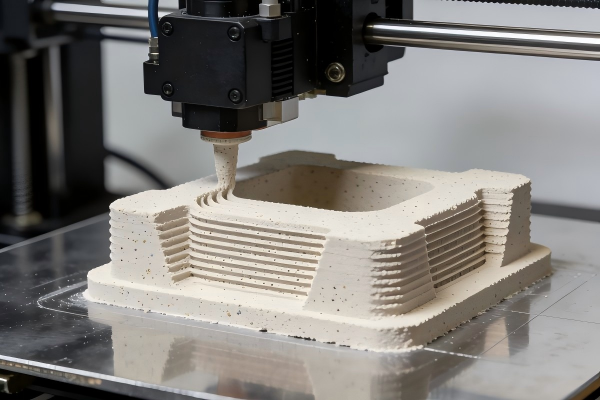
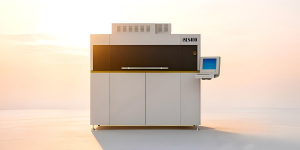
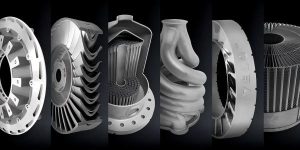
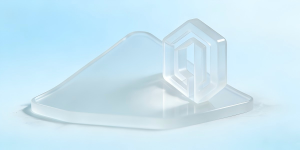
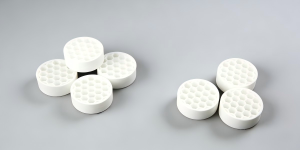
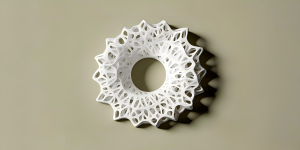
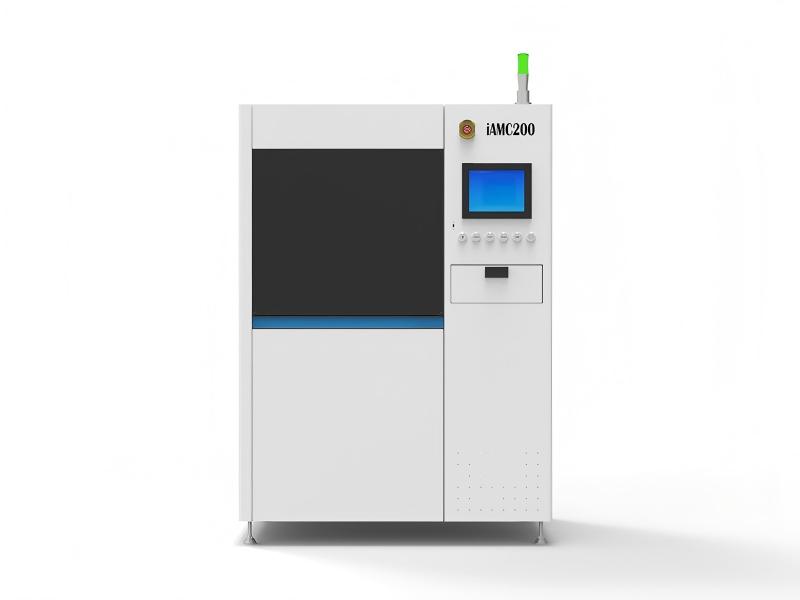
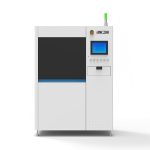
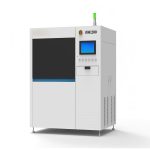
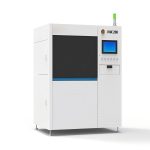
The iAMC200 is a cutting-edge Additive Manufacturing for Ceramics (AMC) solution that overcomes the limitations of traditional ceramic forming methods. By utilizing advanced Stereolithography (SLA) technology, the iAMC200 cures high-solid-content ceramic pastes layer-by-layer using a precise 354.7 nm UV laser (Diode-Pumped Solid-State, up to 3000 mW). This process allows for the rapid fabrication of complex, high-value ceramic components with intricate geometries, internal channels, and lattice structures that are impossible to achieve with injection molding or machining.
At the core of the Forgecise iAMC200 is Intelligent Linked Dual-Cylinder Coating System, specifically engineered to handle high-viscosity ceramic slurries smoothly and uniformly. This system supports variable layer thicknesses: 0.02–0.05 mm for high-precision applications, 0.05 mm for standard builds, and 0.05–0.1 mm for rapid prototyping. The result is exceptional surface quality and dimensional accuracy, with repositioning precision of ±0.01 mm ensured by a high-precision servo elevator and a stable marble base platform.
- Ultra-Fine Resolution: With a laser spot size of 0.06–0.12 mm and scanning speeds of 1.0–4.0 m/s, the iAMC200 produces green bodies with high density and fine details, minimizing post-processing efforts.
- Integrated Process Workflow: The system supports a seamless “printing-debinding-sintering” workflow. Advanced software features like automatic shrinkage compensation, smart partition block scanning, and bad-part flight deletion ensure high success rates and consistent mechanical properties comparable to traditional ceramics.
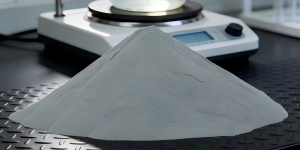
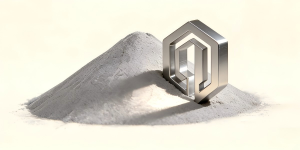
- Material Versatility: Compatible with a wide range of Forgecise ceramic pastes, including Cera Al₂O₃ (Alumina) and Cera ZrO₂ (Zirconia). The open parameter architecture also facilitates R&D for custom material development.
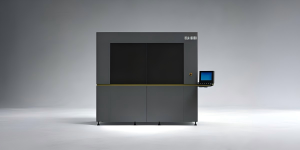
- Compact & Robust Design: Weighing 700 kg with dimensions of 1.38m × 1.05m × 1.95m, the iAMC200 fits easily into R&D labs and pilot production facilities. It operates on standard single-phase power (220V, 5/10A).
- Advanced Software Suite: Controlled by the Forgecise iAMC fabrication software and powered by 3dLayer for data processing, the system offers intuitive operation via Ethernet connectivity, supporting standard STL, SLC, and CLI file formats.
Ideal for aerospace, medical (dental implants, bone scaffolds), electronics (substrates, insulators), and luxury goods industries, the iAMC200 bridges the gap between design freedom and the superior thermal, mechanical, and electrical properties of advanced ceramics.