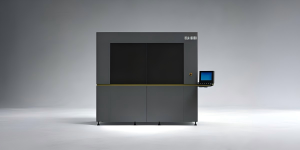
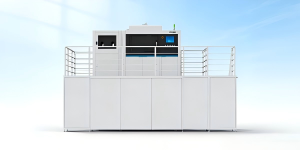
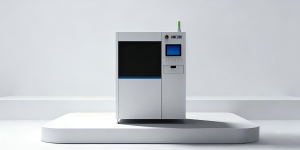
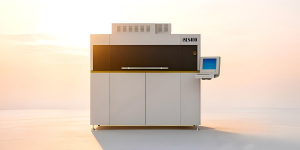
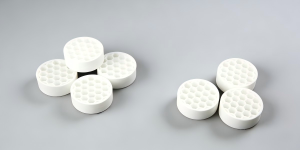
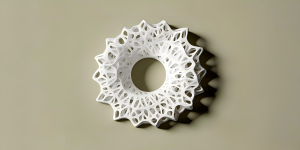
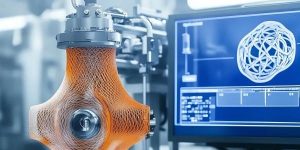
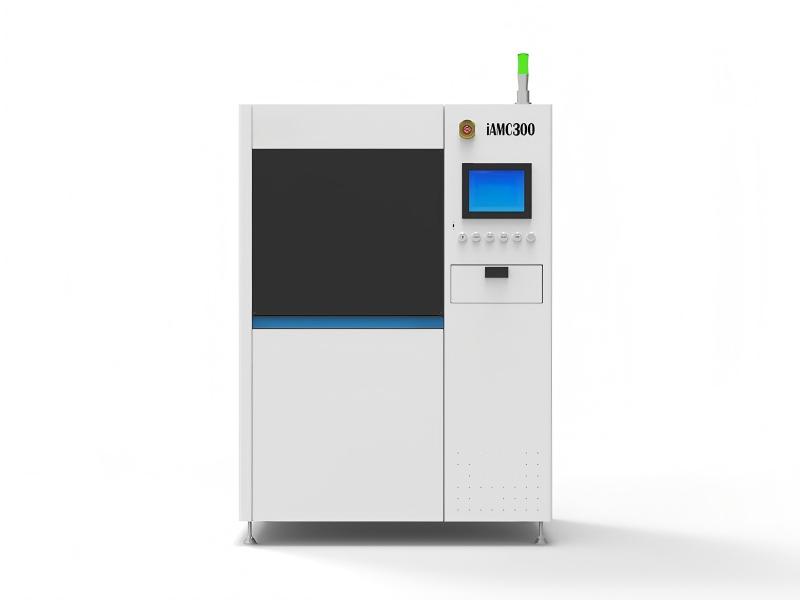
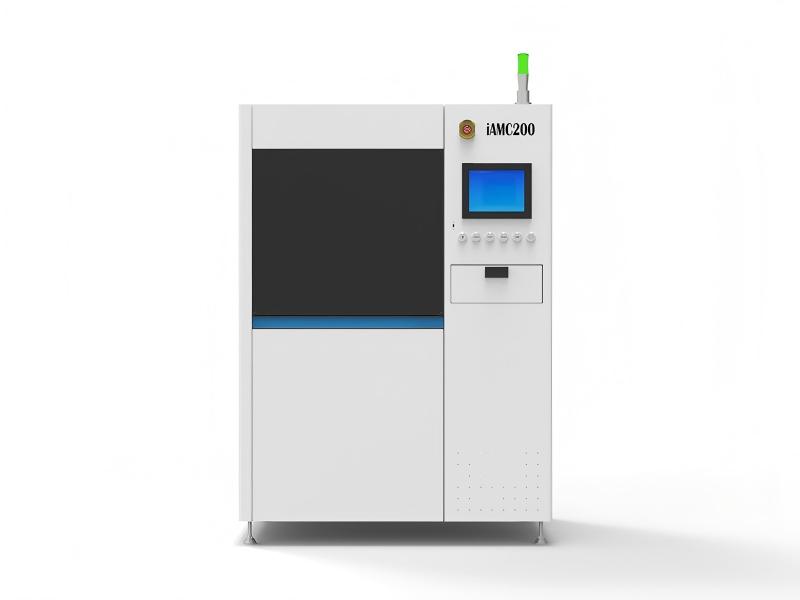
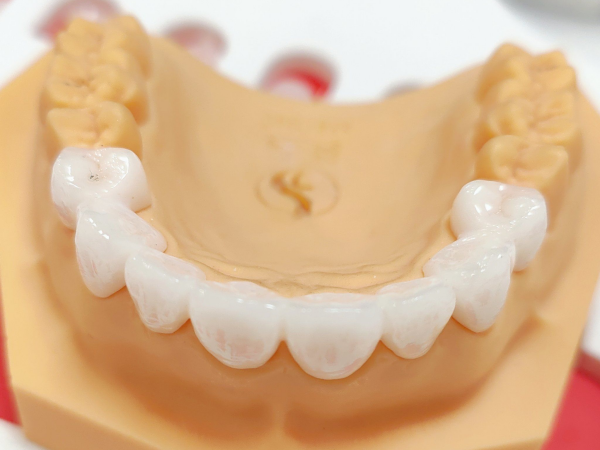
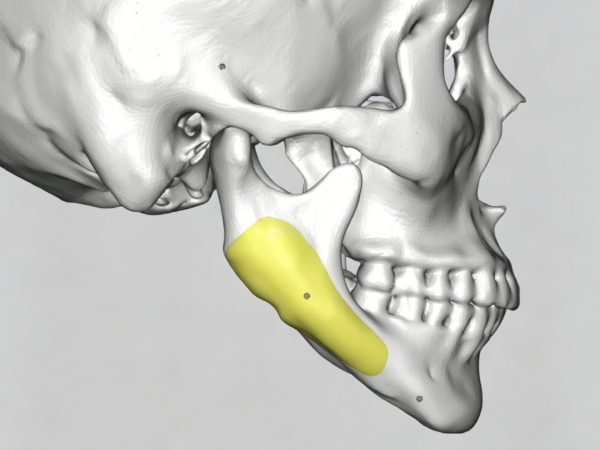
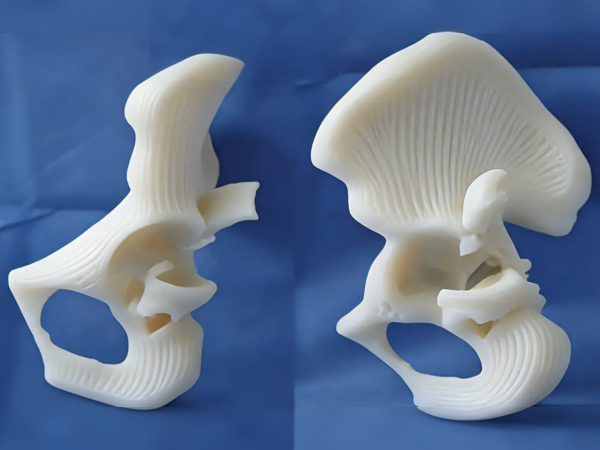
Additive Manufacturing of Ceramics (AMC) refers to a class of 3D printing technologies, primarily Stereolithography (SLA) and Digital Light Processing (DLP), designed to fabricate complex technical ceramic components. The process involves selectively curing ceramic using UV light sources.
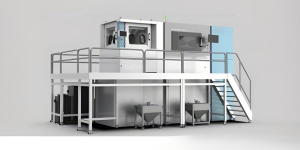
Ceramic 3D Printers (AMC)
Forgecise deliver high-precision 3D solutions like Alumina (Al₂O₃) and Zirconia (ZrO₂) for Biomedical, Aerospace, Electronics etc.
Scalable Build Volume ranges from micro-scale to large-format chambers
Intelligent temperature control and low-shear recoating systems
Seamless Sintering Workflow
Robust Green Body Strength
Multi-material versatility supports a wide spectrum of technical ceramics
Compatible Ceramic Materials
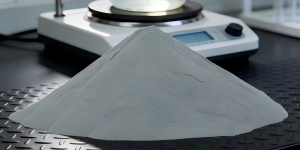
Compatible metal powders include Nickel Alloys, Niobium Alloys, Tungsten Alloys, Molybdenum Alloys, Stainless Steel, Aluminum Alloys, Titanium Alloys, Cobalt-Chrome Alloys, Tool Steel, and High-Conductivity Copper.
Cera ZrO₂ (Zirconia)
Cera Al₂O₃ (Alumina)
Case Studies
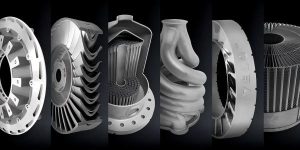
3D ceramic printing is a transformative additive manufacturing technology that enables the precise fabrication of complex ceramic components across diverse industries including aerospace, automotive, electronics, energy, art, and healthcare, offering unprecedented design freedom, material efficiency, and customization capabilities for creating high-performance parts with intricate geometries that were previously impossible to manufacture.