


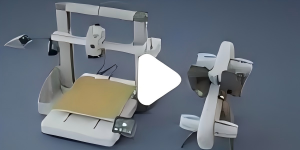


3D Printing in Medical
Creation of specific implants, prosthetics, and surgical guides tailored to individuals
3D Printing in Medical applications
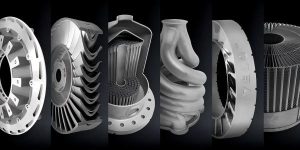
Additive Manufacturing (AM), commonly known as 3D printing, has evolved into a transformative production methodology for the healthcare sector. As an industry characterized by biological variability and stringent performance requirements, the medical field leverages AM technology to overcome the limitations of standardized mass manufacturing, effectively addressing challenges related to patient-specific anatomy, functional integration, and point-of-care responsiveness. Today, 3D printing is deeply integrated into orthopedic implants, surgical instrumentation, dental restorations, prosthetics and orthotics, as well as emerging bioprinted tissues, driving a paradigm shift toward personalized precision medicine.
The highest-value applications of 3D printing lie in patient-matched implantable devices, where technologies such as Selective Laser Melting (SLM) and stereolithography enable the fabrication of anatomically conforming components including titanium cranial plates, porous spinal cages, and custom acetabular cups. In surgical planning and intervention, patient-specific cutting guides and physical anatomical models derived from CT/MRI data can reduce operative time by up to 40% while minimizing intraoperative complication risks. In dentistry, AM technology facilitates the scalable production of crowns, clear aligners, and denture bases through digital workflows, completely replacing traditional impression-taking and manual fabrication processes. Furthermore, on-demand manufacturing of prosthetic sockets and orthotics enables rapid access to low-cost customized products in both clinical settings and resource-limited regions.
The core advantages of 3D printing in the medical field are fourfold. First, it achieves true personalization by directly translating medical imaging into functional devices that match individual morphology, significantly improving clinical outcomes and patient comfort. Second, unmatched design freedom enables functional grading and microarchitectural control, capabilities unattainable through conventional manufacturing processes. Third, lead times are reduced from weeks to hours, supporting just-in-time production for urgent or rare cases and enhancing supply chain resilience. Finally, AM technology supports integrated multi-material and multi-functional fabrication, allowing sensors, drug reservoirs, or structural elements to be incorporated into a single printed component, thereby reducing assembly complexity and infection risk.
Common Applications in Medical
Patient-Specific Implants
Anatomical Models
Prosthetics and Orthotics
Bioprinting
Fabricating precise templates to assist surgeons
Custom Surgical Instruments
Dental & Oral Restoration
Digital dentistry represents the sub-sector with the highest level of mass production via 3D printing.
Surgical & Auxiliary Tools
Customized based on patient CT/MRI data to improve surgical precision and efficiency.
Orthopedic Implants
Mature area for 3D printing porous structures to promote osseointegration.
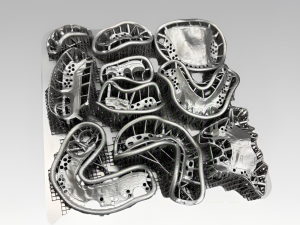
Restorations: Temporary crowns/bridges, metal-ceramic copings, full-zirconia dentures, and removable partial denture frameworks (Cobalt-Chrome).
Orthodontics: Indirect 3D-printed molds for clear aligners, directly 3D-printed aligners, lingual buttons, and retainers.
Implantology: Implant surgical guides, customized healing abutments, and scan bodies.
Occlusion & Diagnostics: Occlusal splints, night guards, and diagnostic models.
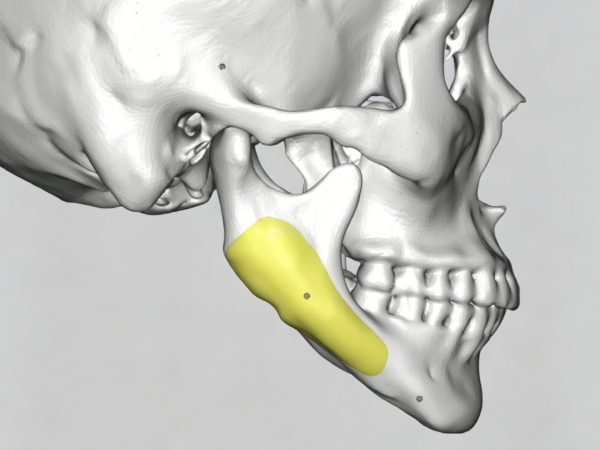
Osteotomy Guides: Unicondylar knee arthroplasty guides, total knee arthroplasty guides, pedicle screw navigation templates, and orthognathic surgery guides.
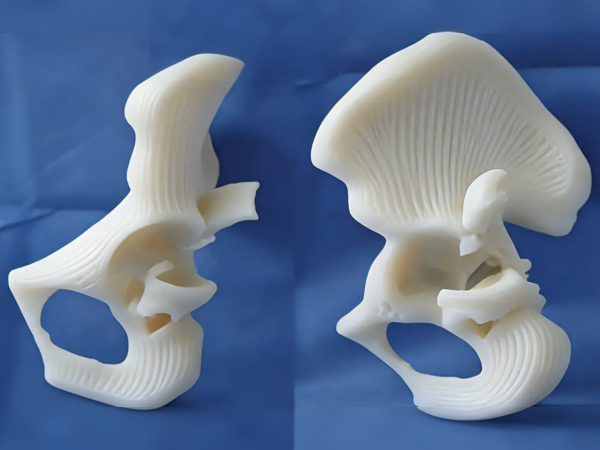
Anatomical Models: 1:1 physical bone/organ models (for preoperative rehearsal, doctor-patient communication, and education).
Intraoperative Positioners: Tumor resection margin markers and vascular anastomosis clamps.
Personalized Surgical Instruments: Special-angle retractors, needle holders, and intramedullary nail targeting devices.
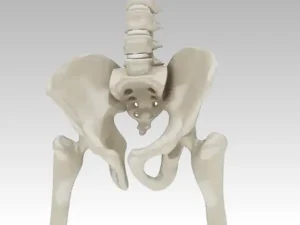
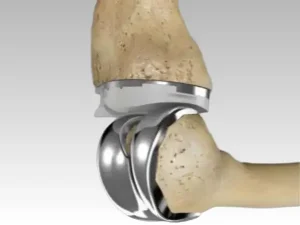
Hip Joint Systems: Customized acetabular cups, femoral stems, and hip revision prostheses.
Spinal Implants: Interbody fusion cages, artificial vertebral bodies, and interspinous spacers.
Craniomaxillofacial Reconstruction: Cranial plates, mandibular reconstruction plates, and zygomatic/orbital implants.
Knee & Shoulder Joints: Customized tibial baseplates, glenoid components, and segmental replacement prostheses.
Trauma Fixation: Anatomical locking plates and external fixator connectors.
Prosthetics & Orthotics
Achieving a balance of lightweight design, breathability, and aesthetics.
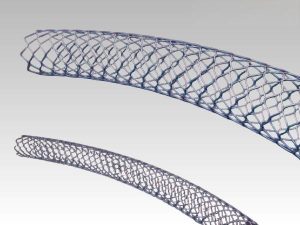
Cardiovascular & Interventional
Precision matching for complex anatomical structures by 3D printing technology
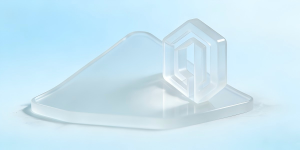
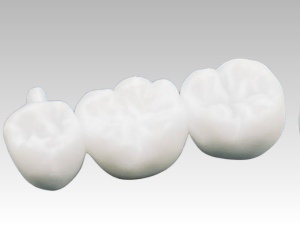
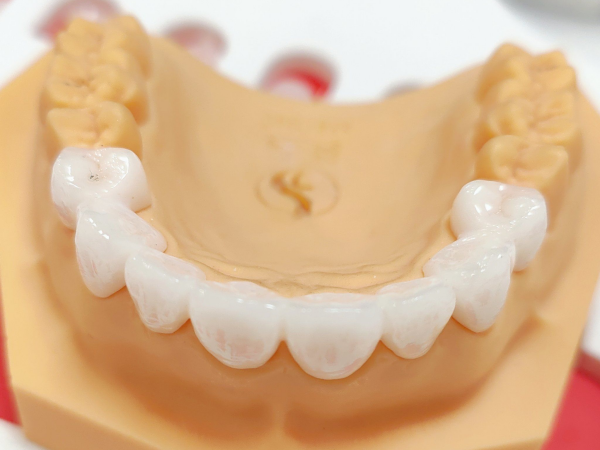
3D-Printed Dental Crowns
Used as permanent restorations, not just temporary models. Simplify dental workflows and reduce costs.
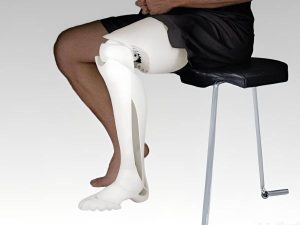
Prosthetic Sockets: Transtibial/transfemoral sockets (integrating ventilation holes and textures) and myoelectric hand shells for upper limbs.
Orthotic Braces: Scoliosis braces, wrist/ankle immobilization braces, and custom foot orthotic insoles.
Terminal Devices: Bionic mechanical hand components and functional prosthetic accessories for children.
Structural Heart Disease: Left atrial appendage occluders and Transcatheter Aortic Valve Replacement (TAVR) stent prototypes.
Vascular Models: In vitro simulation models for aortic aneurysms/dissections (for stent sizing and deployment testing).
Congenital Heart Disease: Complex congenital heart models (for surgical pathway planning).
How It Works: High-precision printers use ceramic resins or zirconia to create strong, natural-looking crowns in under two hours.
Key Benefits: Eliminates messy impressions and temporary crowns; fits precisely (within 50 μm); uses 90%+ material cutting costs by up to 60%.
Approved Uses: Certified for single crowns, short bridges, and inlays/onlays in China, the US, and EU.
Key Benefits
Personalization
Rapid Prototyping & Production
Complex Geometries
Cost-Effectiveness for Low Volumes
Medical Using 3D Technology
AM creates custom dental prosthetics, precise surgical guides, and patient-specific implants for superior fit and care.
Dental Prosthetics
Surgical Guides
Implants & Models
Empowering Additive Manufacturing in Medical
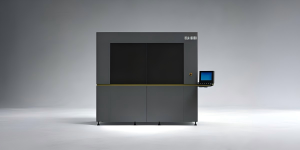
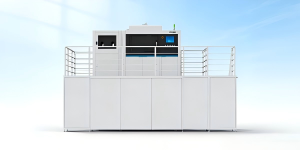
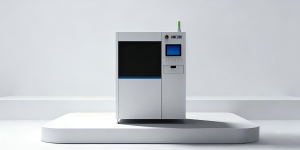
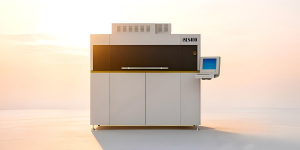
Additive Manufacturing revolutionizes the medical industry by accelerating surgical planning through patient-specific anatomical models. Forgecise provide various 3D printing solutions in Medial industry.
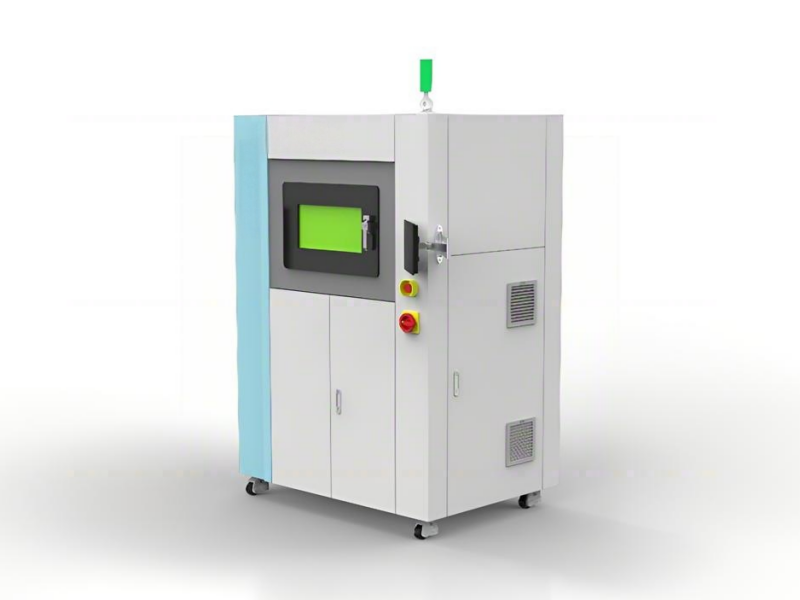
MIL200 | Precision Metal 3D Printer with Surface Exposure Technology | Custom Additive Manufacturing Solutions
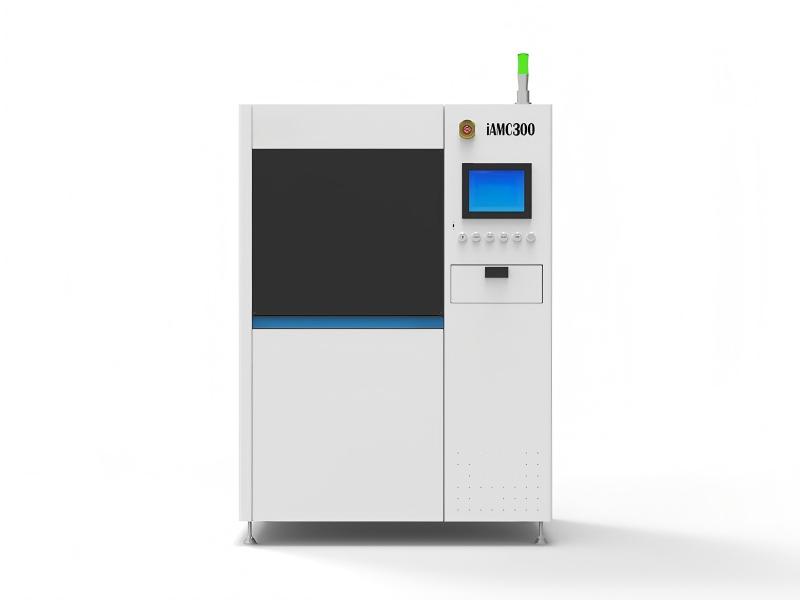
iAMC300 Ceramic Stereolithography (CSL) 3D Printer Additive Manufacturing of Ceramics (AMC)
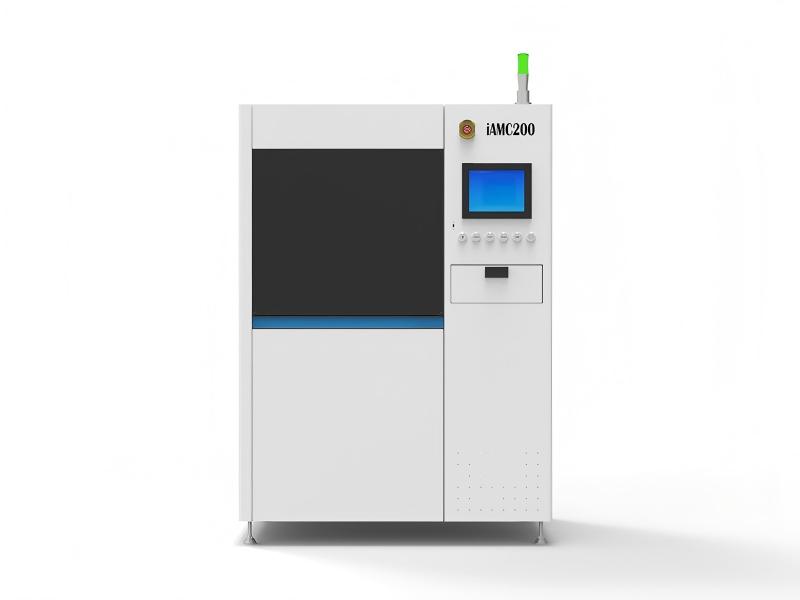
iAMC200 Ceramic Stereolithography (CSL) 3D Printer Additive Manufacturing of Ceramics (AMC)
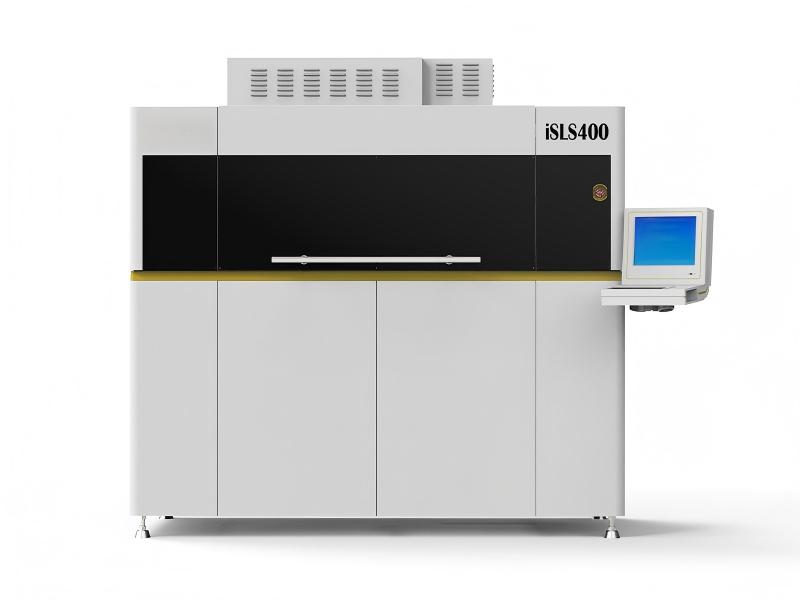
iSLS400 Selective Laser Sintering 3D Printer SLS Nylon Polyamide 3D Printer
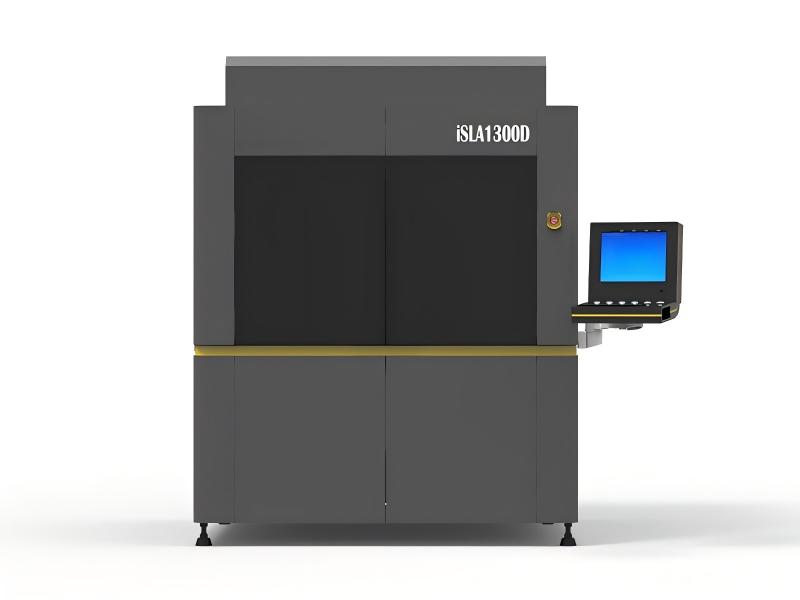
iSLA1300D Stereolithography SLA Resin 3D Printer For Industrial Additive Manufacturing
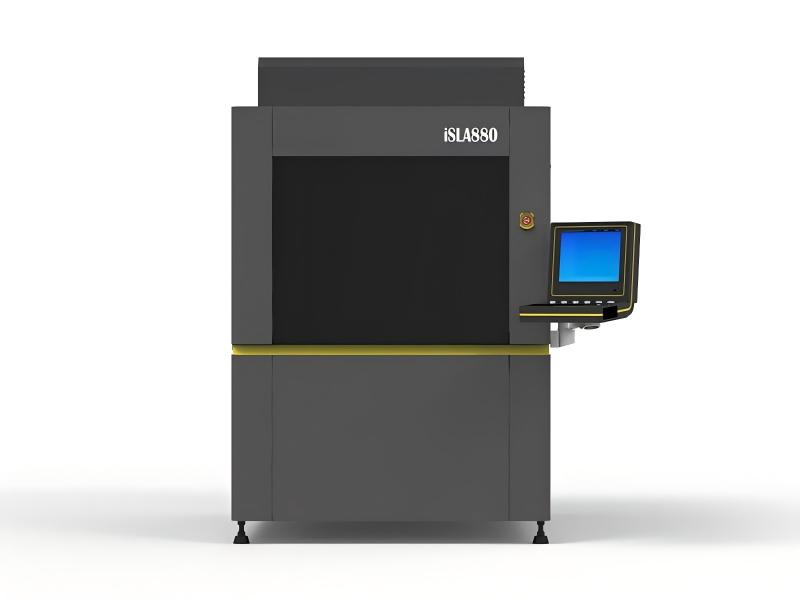
iSLA880 Stereolithography SLA Resin 3D Printer For Industrial Additive Manufacturing
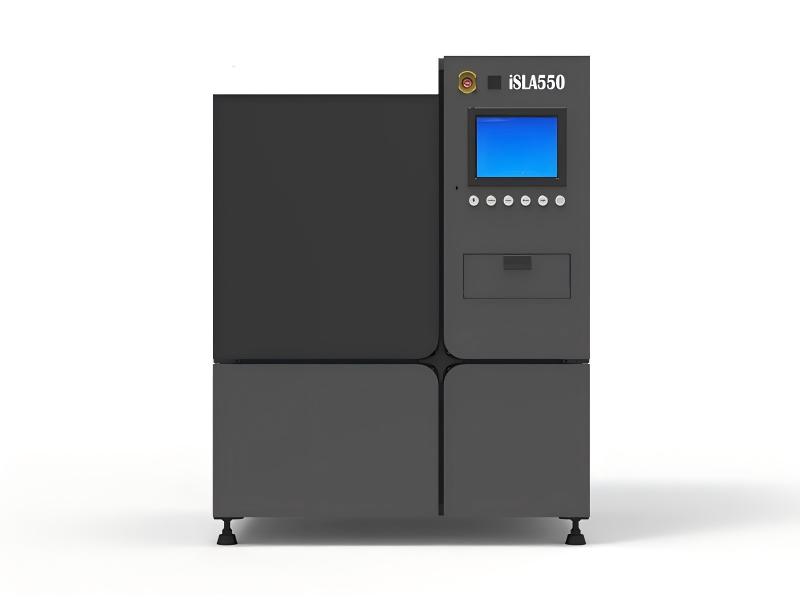
iSLA550 Stereolithography SLA Resin 3D Printer For Industrial Additive Manufacturing
3D Printing Materials in Medical Field
In the medical field, 3D printing materials are strictly selected based on clinical applications and fall into three main categories: metals, polymers, and bioactive materials. Metallic materials—primarily titanium alloy (Ti6Al4V ELI), cobalt-chromium-molybdenum alloy, and porous tantalum—are widely used for orthopedic implants, dental implants, and joint prostheses due to their excellent biocompatibility and mechanical properties, while biodegradable magnesium alloys remain in early-stage exploration for trauma fixation devices. Polymer materials cover diverse scenarios ranging from permanent implants to external aids: PEEK/PEKK, with radiolucency and an elastic modulus close to cortical bone, is preferred for cranial repairs and spinal fusion cages; UHMWPE is exclusively used for articular bearing surfaces in joints; photopolymer resins (including ceramic-filled and biocompatible resins) enable digital fabrication of permanent dental restorations, surgical guides, and orthodontic appliances; and thermoplastics like nylon and PLA serve orthotic devices and preoperative models. Bioactive materials such as hydroxyapatite, hydrogels, and biodegradable polymers (PCL/PLGA) are mainly utilized in R&D for tissue engineering scaffolds and drug delivery systems. All medical-grade materials must pass ISO biological evaluation and comply with NMPA/FDA/CE regulatory requirements; industrial-grade materials are strictly prohibited for human use, and finished products must undergo sterilization validation and clinical assessment before market approval.
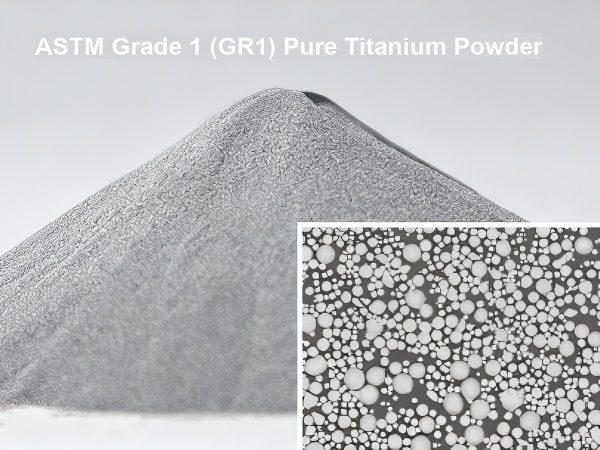
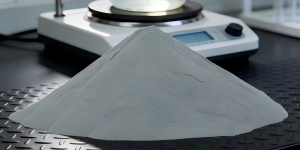
Titanium and Titanium Alloy Powders
Titanium and its alloys, particularly Ti6Al4V, have become the most widely used metallic implant materials in the medical field due to their elastic modulus closely matching that of human cortical bone, exceptional corrosion resistance, and superior biocompatibility. In orthopedics, they are employed to manufacture artificial hip and knee prostheses, spinal fusion cages, trauma fixation plates and screws, as well as cranial repair implants; their surfaces can be modified via sandblasting and acid etching or 3D printing to create porous structures that facilitate osseointegration. In dentistry, pure titanium and titanium alloys are the materials of choice for dental implants, abutments, and denture frameworks, enabling stable osseointegration with the jawbone. In cardiovascular and neurosurgical applications, titanium alloys are also utilized to fabricate precision devices such as heart valve stents, aneurysm clips, and deep brain stimulation electrodes. With the advancement of additive manufacturing technology, patient-specific titanium implants are progressively transitioning from “standardized fitting” to “anatomical matching,” further enhancing surgical accuracy and improving patient outcomes.
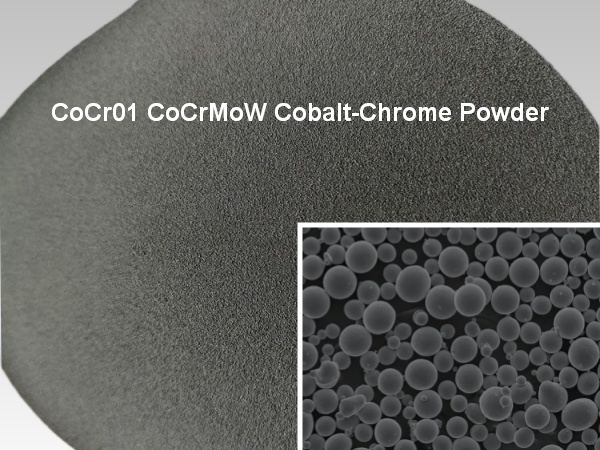
Cobalt-Chromium Alloy Powders
Cobalt-chromium-molybdenum alloy (CoCrMo) has become the preferred metallic material in the medical field for high-load and high-friction applications, owing to its exceptional wear resistance, superior fatigue strength, and favorable biocompatibility. In orthopedic joint replacement, it is widely used to fabricate femoral heads for hip prostheses, femoral condyle components for knee prostheses, and metal-on-metal bearing surfaces; its surface hardness significantly exceeds that of titanium alloys, effectively reducing wear rates and extending implant longevity. In dental restoration, CoCrMo remains a conventional material for removable partial denture frameworks, fixed bridges, and implant superstructures, combining high strength with corrosion resistance to withstand complex masticatory forces over the long term. Additionally, this alloy is employed in the manufacture of cardiovascular stents, intramedullary nails, and certain surgical instruments. Although ceramic and polymeric materials have begun to replace CoCrMo in some clinical scenarios, it retains an irreplaceable role in critical load-bearing sites demanding ultimate wear resistance.
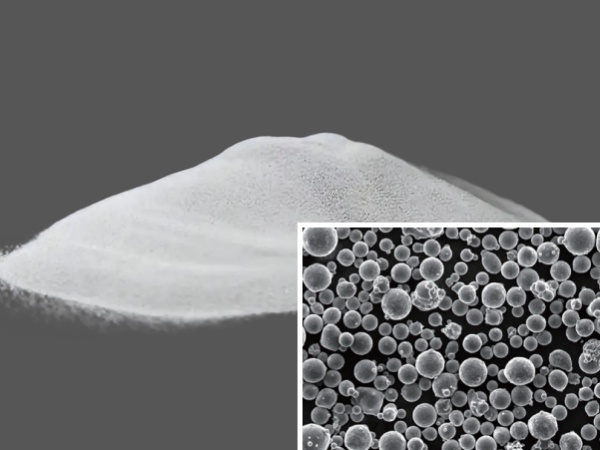
Magnesium Alloy Powders
As a new generation of biodegradable medical metallic materials, magnesium alloys are driving a paradigm shift in orthopedic implants from “permanent retention” to “temporary support with in situ regeneration,” thanks to their elastic modulus closely matching that of human bone tissue, excellent biocompatibility, and unique ability to gradually degrade and be metabolically absorbed within the body. In trauma fixation, magnesium alloy screws and bone plates provide sufficient mechanical support during the early stages of fracture healing, then degrade at a controllable rate, thereby eliminating the need for secondary removal surgeries and mitigating stress shielding effects. In cardiovascular intervention, biodegradable magnesium alloy stents maintain vessel patency during the vascular remodeling phase and are fully absorbed after fulfilling their function, significantly reducing the risks of late-stage thrombosis and restenosis. Although pure magnesium faces challenges such as excessively rapid degradation, local alkalinization, and hydrogen gas evolution, its corrosion behavior has been precisely regulated.
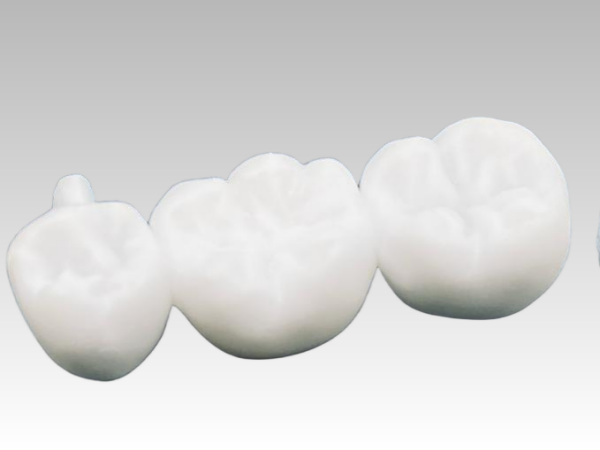
Ceramic / Zirconia Resin Composites
3D-printed ceramic/zirconia-resin composites are reshaping the dentistry and personalized medicine, with their core breakthrough lying in the seamless integration of the geometric freedom offered by additive manufacturing and the superior performance of ceramic-resin composite materials. Through 3D printing technologies such as Digital Light Processing (DLP), Stereolithography (SLA), or material extrusion, these materials can directly fabricate complex geometries that are difficult to achieve via traditional subtractive milling—including porous trabecular bone scaffolds, customized surgical guides, irregularly shaped restorations, and microfluidic chips—enabling a transformative shift from “standardized adaptation” to “patient-specific precision manufacturing.” In dentistry, 3D-printed zirconia-resin composites are utilized for provisional crowns and bridges, orthodontic brackets, and aesthetic veneer prototypes, balancing rapid delivery with biocompatibility. In orthopedics and maxillofacial reconstruction, their tunable porosity and gradient structural design facilitate osseointegration while matching local mechanical requirements, simultaneously eliminating dimensional inaccuracies caused by sintering shrinkage in all-ceramic systems.
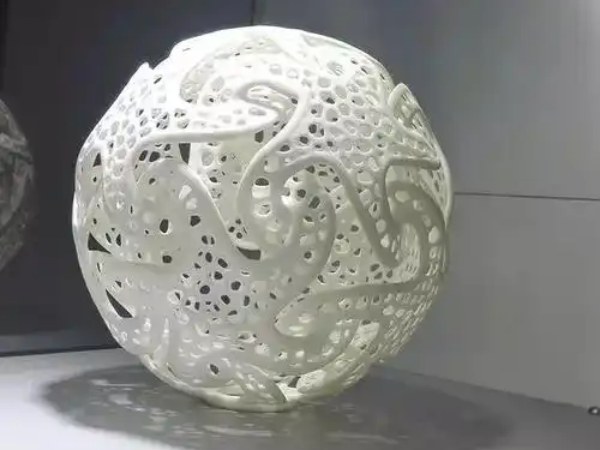
Nylon (PA12/PA11) Powders
Thanks to its excellent biocompatibility, high strength-to-weight ratio, and chemical resistance, 3D-printed nylon (PA12/PA11) has emerged as one of the most mature thermoplastic materials in medical additive manufacturing, playing a pivotal role particularly in the production of non-implantable medical devices and personalized assistive devices. Utilizing Selective Laser Sintering (SLS), PA12/PA11 enables the support-free, monolithic fabrication of complex topologies. It is widely employed in the manufacture of custom orthoses, prosthetic sockets, rehabilitation braces, and surgical planning models; its superior flexibility and impact resistance compared to traditional rigid plastics allow for better anatomical conformity and enhanced patient comfort. In dentistry, the material is used to fabricate temporary denture bases, occlusal splints, and orthodontic retainers, offering an optimal balance of precision and durability. For surgical assistance, it facilitates the rapid production of sterile, lightweight surgical guides and instrument handles that withstand standard sterilization protocols without performance degradation. With improvements in medical-grade powder purity 3D-printed nylon is toward scalable clinical supply.
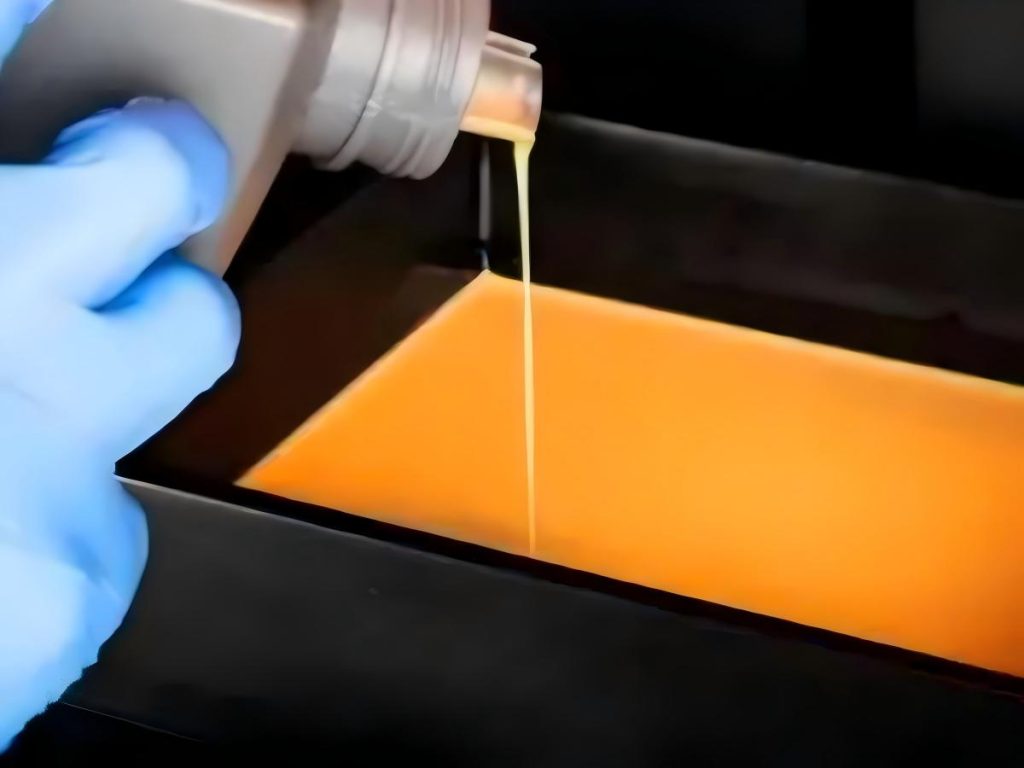
Photopolymer Resins SLA
In the field of medical additive manufacturing, photopolymer resins based on Stereolithography (SLA) technology have emerged as a cornerstone for high-precision non-implantable devices and digital dental workflows, thanks to their micron-level printing accuracy, exceptional surface finish, and diverse functional formulations. By selectively curing liquid resin layer-by-layer with UV lasers, SLA faithfully reproduces intricate anatomical details and thin-walled microstructures, making it ideal for fabricating components with stringent dimensional tolerances—such as surgical guides, orthodontic models, hearing aid shells, crown wax patterns, and master casting molds. The resulting parts exhibit an injection-molding-grade smoothness that significantly streamlines post-processing and minimizes bacterial adhesion risks. In dentistry specifically, SLA serves as a critical bridge connecting digital impressions to final restorations, enabling rapid end-to-end delivery from diagnostic models to provisional crowns and bridges. Today, SLA 3D printing is transitioning from laboratory prototyping and validation toward compliant, scalable manufacturing of clinical end-use products.
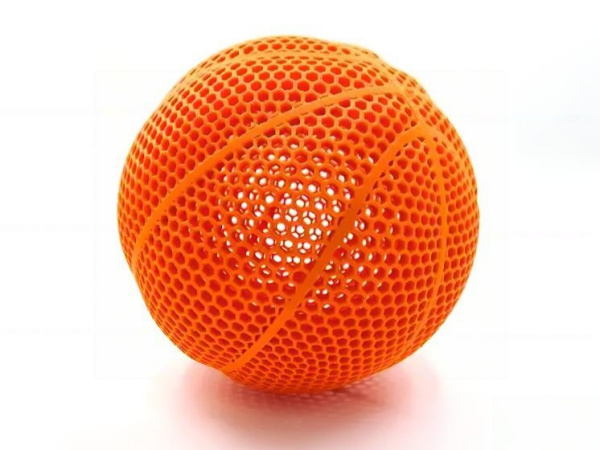
PLA, PETG, and TPU
In the non-implantable application ecosystem of medical additive manufacturing, PLA, PETG, and TPU leverage distinct performance profiles to form a comprehensive material matrix spanning rigid support, transparent visualization, and flexible adaptation, establishing themselves as core consumables for point-of-care manufacturing and personalized assistive device development. As a bio-based biodegradable material, PLA combines excellent dimensional stability, ease of printing, and favorable short-term biocompatibility, making it widely used for anatomical teaching models, preoperative planning models, temporary fixation splints, and drug carrier prototypes; its rapid prototyping capability and cost-effectiveness make it the preferred choice for bedside customization and agile response. PETG offers superior toughness, chemical resistance, and optical clarity, making it suitable for fabricating instrument trays requiring repeated sterilization, transparent face shields, breathing circuit connectors, and visual drainage devices. TPU excels in high elasticity, abrasion resistance, and skin-friendliness, and is specifically designed for flexible components, such as orthotic liners and prosthetic socket cushioning layers.
Application Cases
3D printing provides individualized medical treatments. Key applications include printing pathological models for surgical planning, fabricating rehabilitation devices, producing metal dental crowns, and creating prosthetic implants or stents.
Forgecise: Integrated Industrial AM for Medical Manufacturing
Forgecise delivers a closed-loop industrial additive manufacturing ecosystem engineered specifically for the stringent regulatory and clinical demands of medical device production. Unlike fragmented service providers, we integrate AM Equipment and Custom Powder & Resin Processing capabilities under a single ISO 13485-certified quality management system to eliminate risks and ensure end-to-end traceability for patient-ready components.
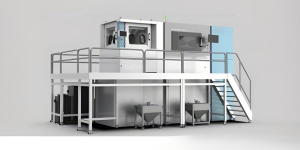
We operate a validated fleet of industrial metal and polymer AM systems qualified for medical production, including SLM, and high-resolution SLA platforms. Every machine undergoes rigorous installation qualification (IQ), operational qualification (OQ), and performance qualification (PQ) per FDA and EU MDR guidelines. Process parameters are locked, monitored in real time, and archived to guarantee batch-to-batch consistency for implants, surgical instruments, and anatomical models.
Medical-grade material integrity is non-negotiable. Our in-house material facility offers custom alloy blending, particle size distribution tuning for porous osseointegration structures, and certified powder/resin recycling with full lot traceability. We conduct mandatory chemical analysis, flowability testing, oxygen content verification, and bioburden/endotoxin screening on every batch—ensuring material consistency matches virgin specifications and meets requirements.
Accelerate your medical innovation?
Reach out to us for personalized 3D printing solution tailored to your clinical business.