




Author: Felix Lee, CEO at Forgecise
Published: August 14, 2026
Last Updated: August 14, 2026
Reading Time: 8 minutes
Table of Contents
A Water Flow Testing and Flushing Bench is an industrial testing system used to measure water flow performance and perform high-pressure flushing tests on engine components. It helps manufacturers check cooling passages, remove internal particles, verify component quality, and prepare parts for production or assembly.
Quick Answer
A water flow testing and flushing bench combines precision flow measurement and controlled flushing in one system. It is designed for engine components that require accurate flow checks, cleanliness control, and pressure testing before they are used in automotive manufacturing.
Quick Summary
- Tests engine component water flow from 300 g/s to 3000 g/s
- Performs high-pressure flushing from 1.0 MPa to 3.0 MPa
- Adjusts pressure in 0.5 MPa steps
- Holds each pressure stage for at least 5 minutes
- Uses a 10 μm filtration system to protect cooling structures
- Supports automotive production, research, and quality inspection
Why Do Engine Components Need Water Flow Testing?
Engine components often contain internal cooling passages that cannot be checked through visual inspection alone. A part may look correct outside while having problems inside.
A small blockage, leftover manufacturing particle, or incorrect internal channel size can change coolant flow performance.
This is where a water flow testing and flushing bench becomes useful.
The system allows engineers to measure actual water movement through a component and check whether the part meets design requirements.
Common problems detected during testing include:
- Blocked cooling channels
- Casting residue
- Machining particles
- Restricted internal passages
- Uneven flow performance
For automotive manufacturers, these checks help reduce quality problems before components reach final assembly.
What Is a Water Flow Testing and Flushing Bench?
A water flow testing and flushing bench is a specialized machine designed for engine component testing. It combines two important functions:
- Precision water flow measurement
- High-pressure flushing verification
The system is used to confirm that engine components can support the required cooling performance while maintaining internal cleanliness.
Typical applications include:
- Engine cooling components
- Automotive thermal management parts
- Cooling channel assemblies
- Engine-related testing projects
- Component quality inspection
The main purpose is simple:
Measure the flow.
Clean the internal passages.
Verify the component.
How Does a Water Flow Testing and Flushing Bench Work?
The testing process follows a controlled procedure to produce reliable results.
Step 1: Install the Test Component
The engine component is connected to the testing bench through dedicated fixtures and pipelines.
Different components may require different connection methods, so the system is designed to support flexible testing requirements.
Step 2: Filter the Water Before Testing
Before water enters the test component, it passes through a filtration system.
The filter is installed at the test component inlet.
Its purpose is to:
- Prevent foreign particles from entering cooling structures
- Protect internal passages
- Improve test reliability
The filtration specifications include:
- Filtration accuracy: 10 μm
- Filter pressure resistance: ≥6 MPa
This filtration step is important because small particles can affect both component performance and measurement results.
Step 3: Measure Water Flow Performance
The system measures water flow through the engine component.
The supported flow testing range is:
300 g/s to 3000 g/s
This allows manufacturers to test different components with different cooling requirements.
Accurate flow measurement helps engineers compare actual performance with expected design values.
Step 4: Perform High-Pressure Flushing Testing
After flow measurement, the system performs flushing tests under controlled pressure conditions.
The flushing pressure range is:
1.0 MPa to 3.0 MPa
The pressure can be adjusted step by step:
0.5 MPa per adjustment
Each pressure stage requires:
At least 5 minutes of holding time
This process allows engineers to check how components perform under different pressure conditions.
What Are the Main Technical Specifications of This Testing System?
The Water Flow Testing and Flushing Bench is designed for automotive testing environments where accuracy and repeatability matter.
Technical Specifications
| Item | Specification |
|---|---|
| Equipment Name | Water Flow Testing and Flushing Bench |
| Main Function | Engine component flow testing and flushing |
| Flow Testing Range | 300 g/s – 3000 g/s |
| Flushing Pressure Range | 1.0 MPa – 3.0 MPa |
| Pressure Adjustment Step | 0.5 MPa |
| Pressure Holding Time | ≥5 minutes per stage |
| Filter Location | Test component inlet |
| Filtration Purpose | Prevent foreign particles entering cooling structures |
| Filter Pressure Resistance | ≥6 MPa |
| Filtration Accuracy | 10 μm |
| Working Space Size | 2500 mm × 1500 mm × 1200 mm |
How Does High-Pressure Flushing Improve Component Quality?
High-pressure flushing is used to remove unwanted particles from internal passages and check component cleanliness.
During manufacturing, engine parts may contain small amounts of:
- Metal particles
- Casting residue
- Processing debris
If these materials remain inside cooling passages, they may affect coolant circulation.
The flushing process helps manufacturers verify that internal channels are clean before the component moves into production.
The system uses controlled pressure instead of a simple water rinse.
With pressure adjustment from:
1.0 MPa to 3.0 MPa
engineers can test components under different flushing conditions.
What Features Make This Automotive Testing Equipment Reliable?
A good testing system needs more than pressure and flow measurement.
It needs stable operation, protection against contamination, and a design that supports daily industrial use.
The Water Flow Testing and Flushing Bench includes several practical features.
Precision Flow Measurement
The system supports accurate flow testing across a wide range:
300 g/s – 3000 g/s
This helps manufacturers identify differences between components and maintain production consistency.
Controlled Pressure Testing
The adjustable pressure system allows engineers to increase testing pressure gradually.
The 0.5 MPa adjustment step gives operators better control during testing.
Clean Testing Conditions
The filtration system protects internal cooling structures during testing.
The 10 μm filter accuracy helps reduce contamination risks.
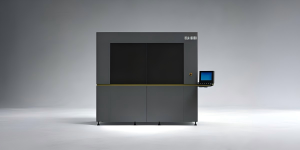
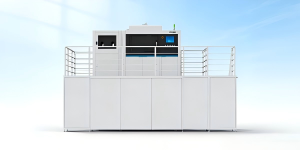
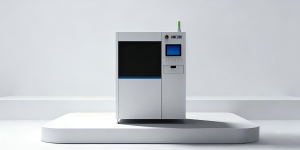
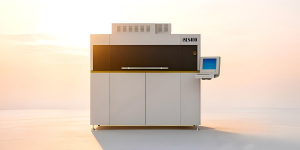
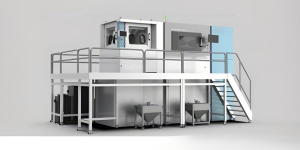
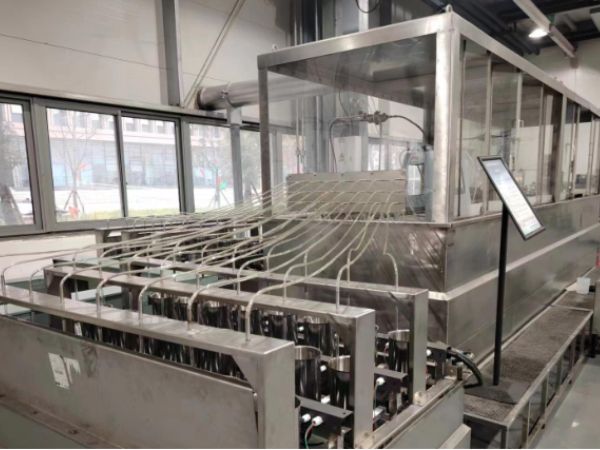
Industrial Equipment Structure
The equipment design includes:
- Stainless steel structure
- Transparent protective enclosure
- Multiple testing pipelines
- Integrated control interface
The protective enclosure allows operators to observe the testing process while reducing water spray exposure.
Where Is a Water Flow Testing and Flushing Bench Used?
This type of equipment is suitable for companies that need reliable engine component testing.
Automotive Manufacturers
Vehicle manufacturers use testing systems to check cooling-related components before production.
Engine Component Suppliers
Engine component suppliers need reliable inspection processes to verify part quality before delivery. Forgecise supports parts manufacturing solutions that help manufacturers improve production accuracy, testing procedures, and quality control processes.
Research and Development Teams
Engineering teams can compare designs and evaluate new component structures.
Quality Control Departments
Production teams can use repeatable testing procedures to monitor component performance.
Water Flow Testing Bench Compared With Traditional Inspection Methods
Traditional inspection methods may not reveal internal flow problems.
A dedicated testing bench gives engineers measurable performance data.
| Traditional Inspection | Water Flow Testing and Flushing Bench |
|---|---|
| Mainly visual checking | Internal performance measurement |
| Limited flow information | Accurate flow data |
| Less repeatable testing | Controlled testing process |
| Limited contamination control | Filtered water system |
| Manual evaluation | Structured test procedure |
How Should Companies Choose Engine Component Testing Equipment?
Choosing the right equipment depends on the testing requirements of the component.
Important factors include:
Flow Range Requirements
The system should support the expected water flow range.
This testing bench supports:
300 g/s to 3000 g/s
Pressure Requirements
The system should provide suitable flushing pressure.
This equipment supports:
1.0 MPa to 3.0 MPa
with:
0.5 MPa adjustment steps
Filtration Requirements
Cooling system components require clean testing conditions.
The system provides:
10 μm filtration accuracy
and:
≥6 MPa filter pressure resistance
Available Installation Space
Manufacturers should check whether the equipment fits their production environment.
The working space requirement is:
2500 mm (Length) × 1500 mm (Depth) × 1200 mm (Height)
Frequently Asked Questions About Water Flow Testing and Flushing Bench
What is a Water Flow Testing and Flushing Bench?
Short answer:
A water flow testing and flushing bench is a machine used to measure water flow and perform high-pressure flushing tests on engine components.
The system helps manufacturers check cooling passages, remove internal particles, and confirm that components meet quality requirements before production.
What flow range can this testing system measure?
Short answer:
This system measures water flow from 300 g/s to 3000 g/s.
The wide testing range allows manufacturers to evaluate different engine components with different cooling requirements. Accurate flow measurement helps identify restrictions and performance differences between parts.
Why does engine component testing require filtration?
Short answer:
Filtration protects internal cooling structures by preventing foreign particles from entering the component during testing.
This system uses a 10 μm filter installed at the component inlet. The filter helps maintain cleaner testing conditions and supports more reliable measurement results.
What pressure can the flushing system provide?
Short answer:
The flushing system provides adjustable pressure from 1.0 MPa to 3.0 MPa.
Operators can adjust pressure in 0.5 MPa steps and hold each pressure stage for at least 5 minutes to evaluate component performance.
Which industries use water flow testing equipment?
Short answer:
Automotive manufacturers, engine suppliers, research teams, and quality inspection departments use water flow testing equipment.
These organizations use the systems to check cooling components, validate designs, and improve production quality.
About the Author
Felix Lee, CEO at Forgecise
Felix Lee is the CEO at Forgecise, focusing on industrial testing solutions for manufacturing and automotive applications.
Through working with engineering teams and production requirements, Felix focuses on practical testing systems that help companies measure performance, improve inspection processes, and maintain consistent product quality.
Final Thoughts
Engine components must work correctly inside, not only look correct outside.
Internal cooling passages, flow performance, and cleanliness all affect engine reliability.
A Water Flow Testing and Flushing Bench gives manufacturers a controlled way to measure flow, perform flushing tests, and check component conditions before production.
With flow testing from 300 g/s to 3000 g/s, flushing pressure from 1.0 MPa to 3.0 MPa, adjustable pressure control, and a 10 μm filtration system, this equipment supports modern automotive testing requirements.
For manufacturers looking to improve engine component inspection and validation, precision testing provides clearer data and better production control.
Brand Note:
Forgecise develops industrial testing solutions designed around real manufacturing needs. Our focus is helping engineering teams build reliable testing processes with accurate measurement, controlled operation, and practical equipment design.