


3D Printing in Automotive Applications

3D Printing in Automotive Applications

Additive Manufacturing (AM), commonly known as 3D printing, has evolved from a niche prototyping tool into a transformative production method for the automotive industry. As the sector accelerates toward electrification, software-defined vehicles, and mass customization, AM is leveraged to overcome the rigidity of traditional stamping and casting, addressing demands for rapid iteration, lightweighting, and supply chain agility. Today, 3D printing is integral to EV battery systems, powertrain components, bespoke luxury interiors, and legacy vehicle restoration, driving a paradigm shift in next-generation mobility design and manufacturing.

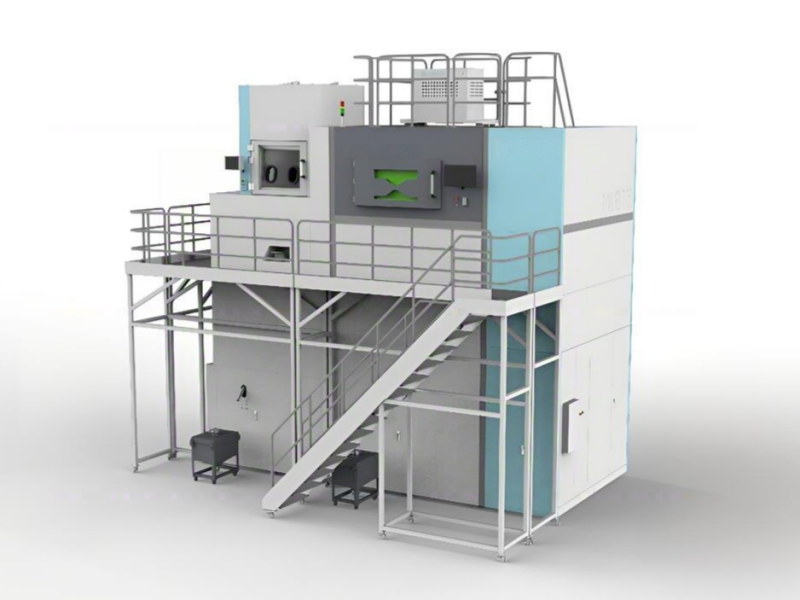
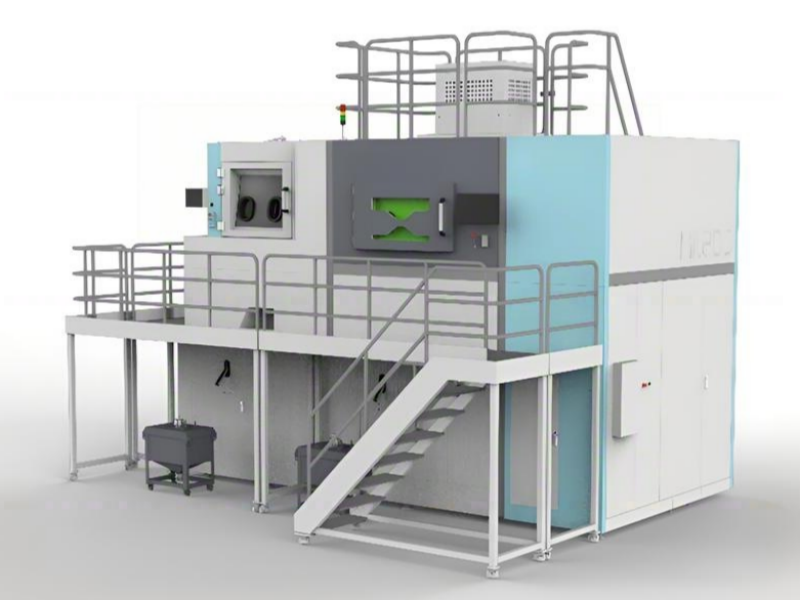
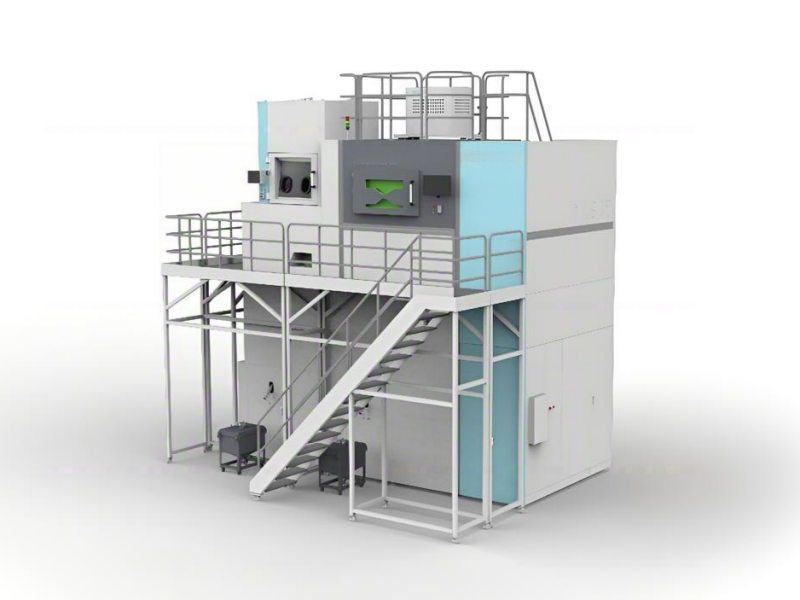
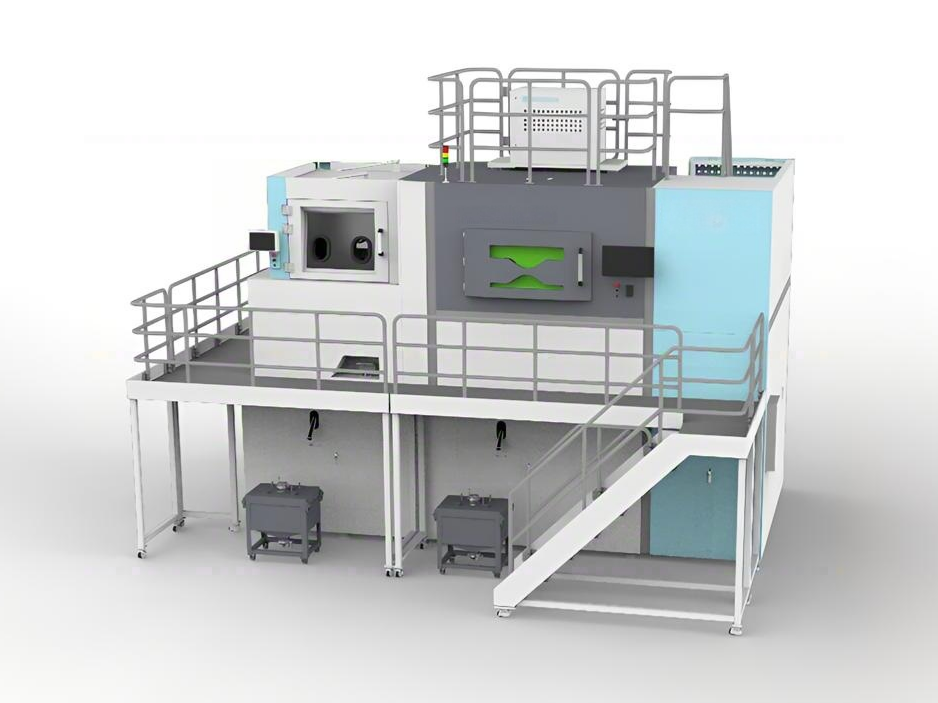
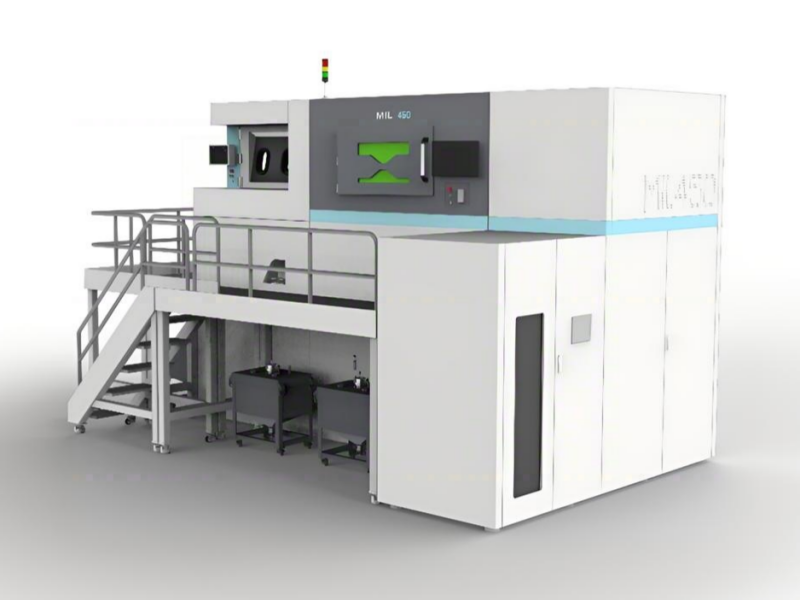
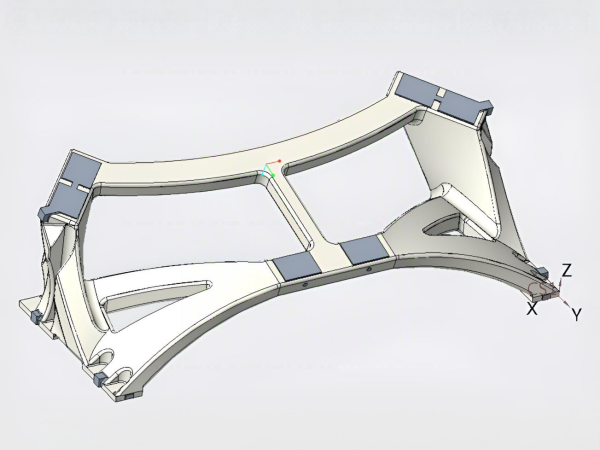
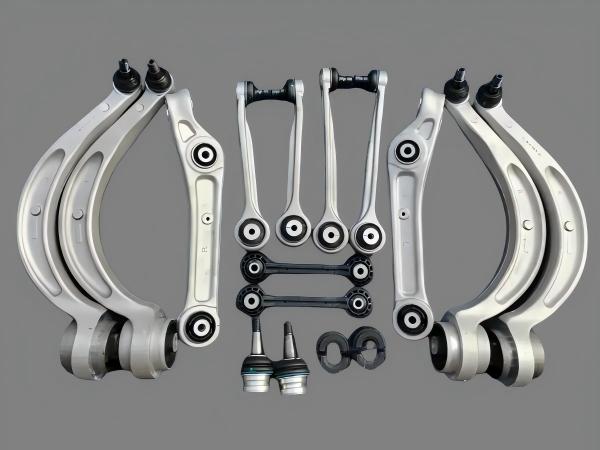
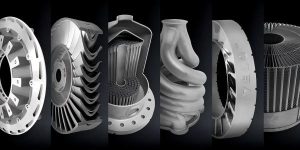
The highest-value applications lie in electric vehicle (EV) platforms, where technologies like Selective Laser Melting (SLM) enable the production of integrated thermal management manifolds, motor housings, and structural battery trays. For example, 3D-printed cooling plates consolidate multiple brazed assemblies into a single leak-proof component, reducing weight by 40% while improving heat dissipation efficiency by 25%. In performance and luxury segments, generative design combined with AM creates topology-optimized chassis brackets and suspension uprights that are 30–50% lighter than forged equivalents without sacrificing crashworthiness, alongside fully customized seats and dashboard elements tailored to individual driver. In motorsport, AM manufactures conformal-cooled injection molds and high-stress drivetrain components. Additionally, AM transforms aftermarket and classic car restoration by enabling on-demand production of obsolete spare parts and digital inventories, eliminating costly retooling for low-volume runs and preserving automotive heritage.

The core advantages of 3D printing in automotive are fourfold. First, it achieves functional lightweighting through lattice infills, hollow channels, and multi-material designs, delivering 20–50% mass reduction in critical subsystems to directly extend EV range and improve dynamic handling. Second, unmatched design freedom allows part consolidation, merging dozens of stamped, welded, or assembled components into monolithic structures to reduce assembly time, eliminate fasteners, and enhance structural integrity. Third, near-net-shape manufacturing slashes material waste from up to 80% in traditional aluminum machining to under 15%, supporting circular economy goals and reducing raw material costs for expensive alloys. Finally, AM enables agile development and decentralized production, compressing concep from years to weeks and supporting localized micro-factories to reduce reliance on global supply chains.

Common Applications in Automotive

Rapid Prototyping

Lightweight Components

Custom Tooling & Jigs

Customization & Personalization

Spare Parts On-Demand

End-Use Performance Parts

Key Benefits

Accelerated Time-to-Market

Cost-Efficient Low-Volume Production

Design Freedom & Lightweighting

Supply Chain Resilience

Automotive Development

Here are key aspects of Additive Manufacturing applications in the automotive industry:

Automotive Styling

Interior / Exterior

Rapid Tooling
Ready to accelerate your vehicle design cycles?

Contact us today to discover how our Additive Manufacturing solutions can transform your prototyping process

This field is required.