



- Author: Felix Lee (CEO at Forgecise)
- Based on Research by: Jin Liangjie, Li Fengguang*, Liao Luhai, Zhou Shengjie, Liu Jianyong, Lin Xiaopeng, Hu Shengbo, and Yang Weibin (Hubei University of Automotive Technology), published in Precision Forming Engineering (2026).
- Published: July 2026
- Reading Time: ~7 minutes
- Target Audience: Car engineers, plant managers, auto designers, and tech enthusiasts.
Table of Contents
What Is Changing in Car Production?
Car makers face big challenges today. Gas prices stay high, environmental rules are strict, and buyers want new car models faster than ever.
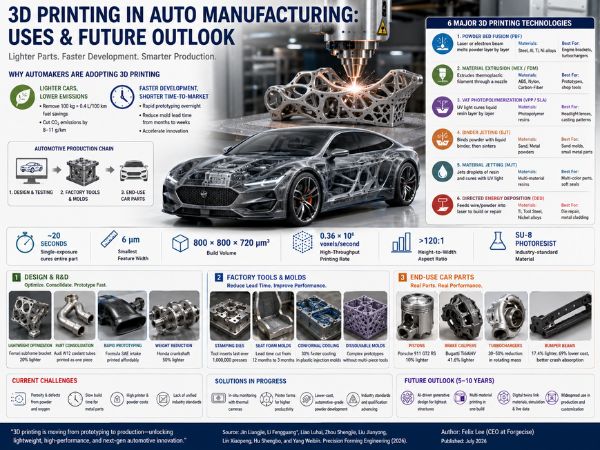
Old factory methods like casting metal, forging, stamping sheet metal, and plastic injection molding are hitting limits. Making a conventional injection mold takes 2 to 3 months. Changing a design later costs a lot of money and wastes time. Manufacturing makes up over 60% of total car production costs. When raw material prices jump, car companies lose profits.
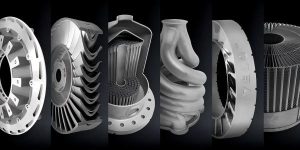
3D printing—also called Additive Manufacturing (AM)—builds physical parts layer by layer directly from 3D computer files. It blends mechanical design, material science, and automation. Chuck Hull invented 3D printing in 1986 using photopolymers. By the early 2000s, Boeing started printing fuel nozzles for airplanes. Today, car makers use it to print real car parts, not just plastic prototypes.
Car Production Chain:
[ 1. Design & Testing ] ──> [ 2. Factory Tools & Molds ] ──> [ 3. Real Car Parts ]
Two Big Reasons Car Makers Need 3D Printing
1. Making Cars Lighter Saves Fuel
Saving weight helps cars burn less gas and helps electric cars drive further on one charge:
- The Numbers: Testing shows that dropping 100 kg (220 lbs) from a car reduces fuel use by about 0.4 liters per 100 km.
- Less Pollution: That same weight loss cuts carbon dioxide ($\text{CO}_2$) emissions by 8 to 11 grams per kilometer.
- Lighter cars also handle better, stop faster, and put less wear on brakes and tires.
2. Building Cars Faster
Car update cycles dropped from 3 years down to 2 years or less. 3D printing lets engineers test new ideas on computer screens and print sample parts overnight. This avoids waiting months for hard steel molds.
6 Main 3D Printing Methods Compared
Engineers choose from six main 3D printing setups depending on the job.
1. Powder Bed Fusion (PBF)
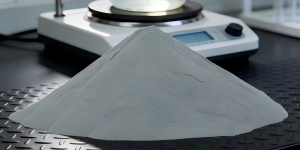
A laser or electron beam melts thin layers of metal or plastic powder.
- Selective Laser Melting (SLM): Uses lasers. Makes very accurate, dense metal parts. Downside: Builds up internal heat stress and runs slow.
- Electron Beam Melting (EBM): Runs in a vacuum using an electron beam. Good for shiny metals that reflect laser light. Downside: Rougher surfaces and fewer metal choices.
- Where It Is Used: Engine brackets, air conditioner mounts, and turbochargers.
2. Material Extrusion (MEX / FDM)
Pushes melted plastic filament through a warm nozzle, layer by layer.
- Good Points: Low tool cost, simple to run, uses common plastics (ABS, Nylon, Carbon Fiber).
- Bad Points: Parts are weaker between layers and look rougher.
- Where It Is Used: Quick fit-check models, plastic holding tools, and air intake tubes.
3. Vat Photopolymerization (VPP / SLA)
A UV light shines into a tub of liquid resin, hardening it into plastic layer by layer.
- Good Points: Extremely sharp details and smooth surfaces.
- Bad Points: Resin materials cost more, parts can warp over time, and extra steps are needed to wash and cure parts.
- Where It Is Used: Clear headlight lenses, door handle models, and casting patterns.
4. Binder Jetting (BJT)
A print head squirts liquid glue onto a bed of sand or metal powder. The printed part goes into a hot furnace to burn away glue and fuse the metal.
- Good Points: Fast printing speed, no internal heat stress, no extra supports needed, uses cheap sand or metal powders.
- Bad Points: Metal parts shrink in the furnace and leave small air gaps inside.
- Where It Is Used: Sand molds for casting engine blocks and gearboxes.
5. Material Jetting (MJT)
Squirts microscopic droplets of liquid resin that freeze instantly under UV light, like an inkjet printer.
- Good Points: Ultra-precise surface detail, can print multiple materials and colors in one print job.
- Bad Points: High material cost and poor heat resistance.
- Where It Is Used: Multi-color interior models and rubbery door seals.
6. Directed Energy Deposition (DED)
Feeds metal wire or powder directly into a laser beam to build or repair metal parts.
- Good Points: Fast metal buildup, fixes worn metal parts, can blend different metals together.
- Bad Points: Leaves rough surfaces that need extra machining.
- Where It Is Used: Repairing worn steel stamping dies and hard-facing metal surfaces.
Quick Comparison
| Method | Materials Used | Accuracy | Speed | Overall Cost | Main Auto Job |
|---|---|---|---|---|---|
| PBF (SLM/EBM) | Steel, Aluminum, Titanium | Very High | Slow | High | Metal engine & chassis brackets |
| MEX (FDM) | ABS, Nylon, Carbon-Fiber | Medium | Medium | Very Low | Quick models, shop tools |
| VPP (SLA) | Clear/Flexible Resins | Very High | Medium | Medium | Light covers, trim models |
| BJT (Binder) | Sand, Steel Powder | Medium | Fast | Low | Sand molds, small metal parts |
| MJT (Jetting) | Multi-color Resins | Extremely High | Medium | High | Soft seals, multi-color trims |
| DED (Laser) | Titanium, Tool Steel | Low | Very Fast | High | Die repair, metal cladding |
Real Factory Examples Across 3 Main Steps
[ Step 1: Design & R&D ] ──> [ Step 2: Factory Tools ] ──> [ Step 3: Real Road Parts ]
Step 1: Design and Testing (R&D)
Shape Optimization
Software hollows out unnecessary metal, leaving strength only along load paths.
- Ferrari Subframe Bracket: Ferrari redesigned an engine subframe bracket, cutting 20% of its mass.
- Stefan Junk Brake Mount: Test prints cut brake mount weight by 45%.
- Liu Yingjie Bracket: An engine and air conditioner mount was redesigned by Liu Yingjie et al., shedding 43.8% of its weight while staying stronger than cast iron.
- Davin Jankovics Race Wheel Upright: A racing wheel mount lost 77% of its weight and needed 91% less print support.
- Honda Crankshaft: Honda removed 50% of the weight from a metal crankshaft.
Combining Parts Into One
Instead of bolting three parts together, 3D printing builds one single piece.
- Audi Water Connectors: Audi printed W12 engine coolant tubes as single pieces, stopping fluid leaks at joint seals.
- Renault Engine Parts: Renault Trucks combined engine block pieces, removing 25% of the total parts and saving 120 kg (264 lbs).
- Wang Hao Radar Mount: Wang Hao printed a radar bracket that combined a signal shield and a hollow lattice, dropping weight by 30% while cutting signal interference.
Faster Prototyping
- Formula SAE Intake: Singh, Ilardo, and William printed a carbon-fiber intake system for race cars at low cost.
- EOS German Alloy Study: EOS printed aluminum car parts with Al2139 alloy, cutting design testing time by 88%.
Step 2: Factory Tools and Molds
- Stamping Tool Inserts: Metal 3D printed mold pieces lasted for over 1,000,000 sheet metal presses.
- Car Seat Molds: Making aluminum seat foam tools used to take 12 months. 3D printing sand and metal molds dropped that wait down to 3 months.
- Conformal Cooling Passages: Printing curved water channels inside plastic injection molds helps cool plastic evenly. This cut plastic cooling times by 30% for mold researcher Kazmer (noted by Dalpadulo).
- Pawlak Dissolvable Molds: Pawlak et al. printed plastic molds that dissolve in acetone. This lets factory workers pour complex prototype plastic parts without needing multi-piece steel tools.
Step 3: Real Road Car Parts
Engine and Power Systems
- Porsche 911 GT2 RS Pistons: Porsche 3D printed aluminum pistons with built-in oil cooling channels inside the piston head. They shaved 10% off piston weight, ran cooler, and let the engine spin faster.
- Sarzyński Camshafts: Sarzyński documented metal 3D printed camshafts that handled high fatigue stress better than cast iron.
- Turbo Spinners: Printed turbochargers cut rotating mass by 30% to 50%.
- Xue Yahui Radiators: Xue Yahui cited Narendran’s dual-layer heat exchanger. The design lowered high-zone engine temperatures by 26.5%.
Suspension and Chassis
- Bugatti Titanium Brake Caliper: Bugatti printed titanium (Ti6Al4V) brake calipers. Weight dropped from 4.9 kg to 2.9 kg (a 41.6% drop) while staying stiffer and handling heat better.
- Formula Student Knuckle: A race team printed a steering knuckle, trimming 35% of its mass.
- Sara Mantovani Steering Parts: Redesigned steering mounts and differential supports held up to dynamic stress while lowering total weight.
Car Bodies and Interiors
- FDM Dashboards: Upare et al. printed lightweight plastic dashboard structures, cutting weight by 53%.
- Natural Fiber Trim: Mercedes-Benz, Audi, and BMW tested 3D printed interior headliners made from natural hemp and jute fibers, cutting weight by 25%.
- Du & Xue Bumper Beams: Du et al. reviewed Xue’s long-fiber plastic bumper beams. The beams weighed 17.4% less, cost 69% less, and absorbed crash energy better than steel.
- Shelby Cobra Replica: Engineers printed a full Cobra body in large sections, gluing them together to cut material waste.
What Is Holding 3D Printing Back Today?
Current Problems                        Fixes Being Built
┌─────────────────────────────────┐     ┌─────────────────────────────────┐
│ Metal powder gets tiny air gaps │ ──> │ Add cameras to watch print heat │
│ Printing takes hours per part   │ ──> │ Run many printers together      │
│ Machines & powders cost a lot   │ ──> │ Mix cheaper metal powder mixes  │
└─────────────────────────────────┘     └─────────────────────────────────┘
- Tiny Defects: Metal powders absorb oxygen or leave microscopic air pockets inside finished parts, lowering structural fatigue life.
- Cost and Speed: Metal printers and fine spherical powders cost a lot of money. Printing one part takes hours, while traditional factory stamping makes hundreds of parts an hour.
- Lack of Common Rules: Car safety groups still lack shared testing standards for 3D printed metal parts.
How Factories Are Fixing This
Engineers are building thermal cameras directly inside printers to check every layer as it prints. Plant managers run printer networks together, and material suppliers are creating lower-cost steel and aluminum powders tailored specifically for cars.
What to Expect in the Next 5 to 10 Years
- Next 5 Years: Better metal powders designed specifically for automotive use, safer printer monitoring, easier design tools, and clear quality rules from safety boards.
- In 5 to 10 Years: Digital Twins will connect material choices, computer tests, and live camera feeds. Multi-material printers will print metal and plastic together in one piece, while AI tools automatically draw light part shapes for factories.
Questions & Answers (FAQ)
Q: Why do car companies use 3D printing instead of metal casting?
A: Quick Answer: 3D printing makes organic shapes and hollow designs that casting cannot touch, without waiting months for metal molds.
It drops design test times from months to days, cuts part counts by merging assemblies, and trims weight off metal brackets.
Q: How much weight can 3D printing cut from car parts?
A: Quick Answer: Most parts lose between 17% and 77% of their weight.
For instance, Ferrari cut subframe bracket weight by 20%, Bugatti dropped brake caliper weight by 41.6%, and Honda cut 50% off a crankshaft design.
Q: What are conformal cooling channels in plastic molds?
A: Quick Answer: They are curved water passages printed inside mold walls that follow the exact outline of the plastic part.
Because water flows at a equal distance from every surface, plastic parts cool down evenly. This stops parts from warping and speeds up molding times by about 30%.
Q: Will 3D printers replace traditional assembly lines?
A: Quick Answer: No, traditional stamping lines will still handle mass-market parts because they run faster and cost less per unit.
3D printing works best for high-performance cars, small production runs, factory tools, custom trims, and complex internal engine parts.
Q: How will AI change 3D printing for cars?
A: Quick Answer: AI will automatically draw the lightest part shapes and use cameras to fix printing errors in real time.
Engineers tell the software where loads press on a part, and AI calculates the lightest shape while cameras fix melt-pool heat on every layer.
For technical questions or automotive consulting, reach out to Felix Lee at Forgecise.