





Last Updated: August 14, 2026
Written by:
Felix Lee, CEO at Forgecise
Industry Focus: Precision Manufacturing Equipment, Surface Finishing Technology, Industrial Automation
Table of Contents
Quick Answer
Abrasive flow machining equipment is a precision finishing machine that uses abrasive-filled fluid media under controlled pressure to remove burrs, polish surfaces, improve edges, and process complex areas that traditional tools cannot easily reach. It is widely used for aerospace, automotive, medical, mold, semiconductor, and precision manufacturing applications.
Key Takeaways
- Abrasive flow machining (AFM) uses abrasive fluid media to finish complex precision components.
- The process helps remove burrs, improve surface quality, create consistent edges, and strengthen surfaces.
- The equipment works well for internal channels, deep holes, irregular cavities, and difficult-to-access areas.
- The machine supports a pressure range of 1–14 MPa and has a power rating of 3.5 KW.
- The system includes a closed machining chamber and PLC/HMI control for industrial production.
About the Author
Felix Lee is the CEO at Forgecise, a company focused on precision manufacturing equipment and industrial processing solutions.
Through working with manufacturing teams, Felix has seen a common challenge: many companies can machine a part accurately, but the final finishing step becomes difficult when the part contains small channels, complex cavities, or hidden surfaces.
Traditional polishing and deburring methods often depend on manual labor. Results can vary from one operator to another.
Abrasive flow machining provides a more controlled approach by using abrasive media flow to reach areas that are difficult to process with normal tools.
What Is Abrasive Flow Machining Equipment?
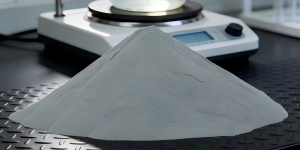
Abrasive flow machining equipment is a specialized machine that uses a high-viscosity fluid containing abrasive particles to finish component surfaces.
The machine pushes the abrasive fluid through or across the workpiece under controlled pressure. The movement of the abrasive particles creates a small cutting and smoothing action on the surface.
Unlike traditional grinding or polishing methods, abrasive flow machining can reach areas that are difficult for physical tools to access.
This makes it useful for:
- Complex structures
- Irregular cavities
- Internal channels
- Deep holes
- High-precision components
Many modern parts are designed with smaller spaces and more complicated shapes. These designs improve product performance but create challenges during finishing.
For example, a component may have a narrow internal passage where a polishing tool cannot enter. Abrasive flow machining solves this problem by allowing the abrasive media to follow the shape of the internal path.
How Does Abrasive Flow Machining Work?
Abrasive flow machining works by moving abrasive fluid through a component under controlled pressure.
The process includes four basic steps:
1. Preparing the Abrasive Media
The machine uses a special fluid mixed with abrasive particles.
The fluid needs enough viscosity to move through the component while carrying the abrasive material.
2. Applying Controlled Pressure
The machine pushes the abrasive media through the workpiece.
The pressure controls the finishing force and determines how aggressively the surface is processed.
3. Removing Surface Imperfections
As the abrasive particles move across the surface, they create a micro-cutting and extrusion effect.
This helps remove:
- Small burrs
- Surface marks
- Sharp edges
- Minor imperfections
4. Improving Surface Quality
After processing, components can achieve:
- Smoother surfaces
- More consistent finishing
- Better edge conditions
- Improved component performance
The process can be repeated based on the required finishing level.
Why Is Pressure Important in Abrasive Flow Machining?
Pressure is one of the key factors that controls abrasive flow machining performance.
The equipment analyzed in this article includes the following specifications:
| Parameter | Specification |
|---|---|
| Equipment Type | Abrasive Flow Machining Equipment |
| Processing Pressure | 1–14 MPa |
| Power | 3.5 KW |
| Processing Method | Abrasive fluid precision finishing |
The 1–14 MPa pressure range allows manufacturers to adjust processing conditions according to different materials and component requirements.
For sensitive precision parts, controlled pressure helps protect the original design.
For parts that require stronger finishing action, higher pressure helps improve processing efficiency.
What Problems Can Abrasive Flow Machining Equipment Solve?
Many manufacturers face the same problem:
The machining process is complete, but the final surface condition does not meet quality requirements.
This usually happens with parts that have:
- Small internal passages
- Complex shapes
- Difficult finishing areas
- Strict surface requirements
Abrasive flow machining helps solve these challenges.
Precision Deburring for Complex Components
One major use of abrasive flow machining equipment is precision deburring.
Machining operations such as:
- CNC milling
- Drilling
- Cutting
- Turning
can leave small unwanted edges called burrs.
These burrs may affect:
- Assembly accuracy
- Fluid movement
- Component reliability
- Product performance
Manual deburring can remove these problems, but the quality may depend on worker experience.
Abrasive flow machining provides a more stable process because the abrasive media reaches the same areas repeatedly under controlled conditions.
Surface Polishing and Finishing Improvement
Surface quality matters in many industries.
Abrasive flow machining improves surfaces by removing small imperfections and smoothing uneven areas.
Benefits include:
- Better surface consistency
- Lower surface roughness
- Improved component appearance
- More reliable performance
For precision manufacturing, even small surface changes can affect how a component works.
Edge Rounding and Chamfering
Sharp edges can create problems during assembly or operation.
Abrasive flow machining can create controlled:
- Edge rounding
- Chamfering
- Surface transitions
This is useful for parts with complicated geometries where traditional tools cannot easily create uniform edges.
Surface Strength Improvement
Abrasive flow processing can also improve surface conditions through controlled finishing.
By creating smoother and more consistent surfaces, manufacturers can improve the quality of precision components used in demanding environments.
What Are the Applications of Abrasive Flow Finishing Machines?
Abrasive flow finishing machines are used in industries where component quality and surface performance are important.
Aerospace Component Finishing
Aerospace manufacturing requires high precision and reliable processing.
Typical applications include:
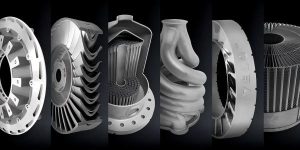
- Turbine components
- Hydraulic parts
- Complex flow channels
- Precision aerospace components
Many aerospace parts include internal structures that are difficult to finish with traditional methods.
Abrasive flow machining allows manufacturers to process these areas while maintaining consistent surface quality.
Automotive Parts Deburring and Finishing
Automotive manufacturers use precision finishing equipment for many important components.
Applications include:
- Engine components
- Fuel system parts
- Transmission components
Abrasive flow machining helps improve surface quality and reduce manual finishing work.
For high-volume production, consistent results are important because every component must meet the same standard.
Medical Device Surface Finishing
Medical devices often require smooth and precise surfaces.
Applications include:
- Surgical instruments
- Precision medical components
- Implant-related parts
Abrasive flow machining helps manufacturers process detailed shapes while maintaining surface quality.
Mold Manufacturing and Precision Tooling
Mold manufacturers often create parts with detailed cavities and complex surfaces.
Applications include:
- Mold cavities
- Precision tooling
- Micro-structure components
Because abrasive media can flow through difficult areas, the process is useful for improving mold surface conditions.
Semiconductor and Precision Manufacturing
Advanced manufacturing industries also require reliable finishing methods.
Applications include:
- Precision fixtures
- Specialized components
- High-accuracy manufacturing parts
Abrasive flow machining supports industries where small surface defects can affect final performance.
Why Choose Abrasive Flow Machining Instead of Traditional Finishing Methods?
Abrasive flow machining offers several advantages compared with traditional finishing approaches.
| Traditional Method | Common Challenge | Abrasive Flow Machining Advantage |
|---|---|---|
| Manual polishing | Results depend on operator skill | More consistent finishing |
| Grinding tools | Difficult to reach internal areas | Processes complex passages |
| Standard deburring | Limited control for small structures | Better precision finishing |
Main Benefits of Abrasive Flow Machining Equipment
Reaches Difficult Internal Areas
The abrasive media can move through:
- Internal channels
- Deep holes
- Complex cavities
This allows manufacturers to finish areas that normal tools cannot reach.
Provides Stable Production Quality
The controlled process reduces differences between operators and production batches.
Supports Automated Manufacturing
The equipment design includes:
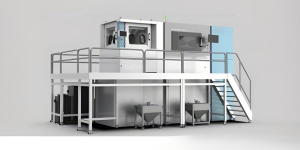
- Closed machining chamber
- Automated operation system
- PLC/HMI control interface
These features make the equipment suitable for industrial production environments.
Improves Precision Component Quality
By combining controlled pressure with abrasive media movement, the machine helps manufacturers achieve reliable finishing results.
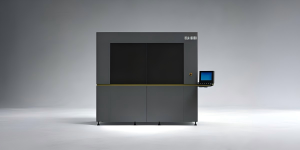
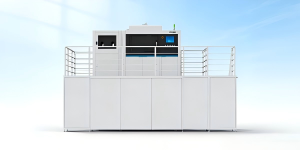
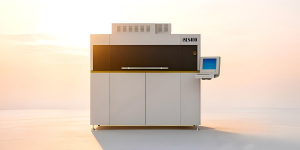
What Are the Technical Features of This Abrasive Flow Machining Equipment?
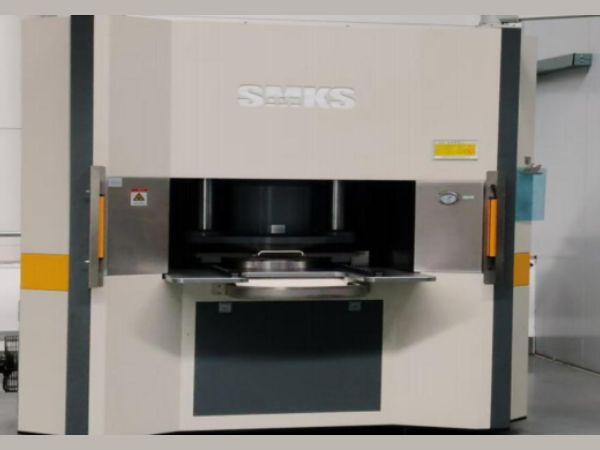
The equipment shown is designed for industrial precision finishing. For manufacturers looking for complete parts manufacturing solutions, Forgecise also provides manufacturing capabilities for complex components and industrial applications.
Closed Machining Chamber
The closed structure helps create a stable processing environment.
Advantages include:
- Better process control
- Cleaner operation
- Industrial production suitability
PLC/HMI Control System
The machine includes an independent control interface.
Operators can manage:
- Processing parameters
- Machine operation
- Production settings
This supports repeatable manufacturing processes.
Industrial Production Design
With:
- 1–14 MPa processing pressure
- 3.5 KW power system
the equipment is suitable for precision manufacturing applications that require stable finishing performance.
How to Choose the Right Abrasive Flow Machining Equipment?
Before purchasing abrasive flow machining equipment, manufacturers should review several factors.
Important Selection Factors
Component Design
Consider:
- Internal channels
- Complex cavities
- Part shape
- Surface requirements
Material Type
Different materials may require different processing conditions.
Surface Quality Requirements
Manufacturers should define:
- Required smoothness
- Edge condition
- Final application needs
Production Volume
Companies producing large quantities may need automated systems for stable output.
Pressure Requirements
The correct pressure range helps balance finishing quality and production efficiency.
Real Manufacturing Example: Improving Complex Part Finishing
A precision manufacturing company produces components with narrow internal passages.
After CNC machining, small burrs remain inside the channels. Manual polishing takes extra time and creates differences between parts.
By using abrasive flow machining equipment, the company can process the internal areas more consistently.
The result is:
- Better internal surface finishing
- Reduced manual work
- More stable production quality
This type of situation is common in industries where component designs continue becoming smaller and more complex.
Frequently Asked Questions About Abrasive Flow Machining Equipment
What is abrasive flow machining used for?
Abrasive flow machining is used for precision deburring, polishing, edge rounding, chamfering, and surface improvement of complex components. It is especially useful for aerospace, automotive, medical, mold, and precision manufacturing parts that require consistent finishing quality.
The process uses abrasive fluid media under pressure to reach areas that are difficult to process with traditional tools.
How does abrasive flow machining remove burrs?
Abrasive flow machining removes burrs by pushing abrasive-filled fluid through a component. The abrasive particles create a controlled micro-cutting action that removes unwanted edges and surface imperfections.
This method provides more consistent results compared with manual deburring, especially for complex internal areas.
Can abrasive flow machining process internal channels?
Yes. Abrasive flow machining is designed to process difficult-to-reach areas such as internal channels, deep holes, and complex cavities. The abrasive media follows the shape of the component and improves surfaces inside areas where traditional tools cannot reach.
This makes AFM useful for aerospace, automotive, and precision components.
What pressure does abrasive flow machining equipment use?
The abrasive flow machining equipment described in this article operates with a processing pressure range of 1–14 MPa. The adjustable pressure allows manufacturers to select suitable conditions for different materials and finishing requirements.
Controlled pressure helps balance processing efficiency and component protection.
Is abrasive flow machining suitable for automated production?
Yes. Modern abrasive flow machining equipment can support automated production through closed machining structures and PLC/HMI control systems. These features help manufacturers achieve repeatable finishing results and reduce dependence on manual operations.
This makes the technology suitable for industrial manufacturing environments.
Improve Precision Manufacturing with Abrasive Flow Machining Equipment
Modern manufacturing continues to create parts with more complex designs and tighter quality requirements.
Traditional finishing methods may not provide a reliable solution for internal channels, irregular cavities, and precision surfaces.
Abrasive flow machining equipment provides a practical way to improve:
- Surface quality
- Deburring consistency
- Edge finishing
- Production stability
With controlled abrasive media flow, adjustable pressure, and automated operation, this technology helps manufacturers solve difficult finishing challenges.
Contact Forgecise to discuss how abrasive flow machining equipment can support your precision manufacturing needs.