











Last Updated: August 14, 2026
Written by:
Felix Lee, CEO at Forgecise
Felix Lee works with industrial equipment solutions and manufacturing applications, focusing on how production companies can improve equipment selection, workflow design, and component preparation processes.
Technical Review:
Forgecise Engineering Team
Table of Contents
Quick Answer
A vibration cleaning station is industrial equipment used to remove loose particles and residual materials from engine components before flow testing and washing processes. It provides a controlled cleaning step that helps manufacturers prepare parts for inspection and maintain stable production processes.
Key Takeaways
- A vibration cleaning station prepares engine components before flow testing and washing.
- The equipment uses controlled vibration to help remove unwanted particles from components.
- It is designed for automotive manufacturing and precision production environments.
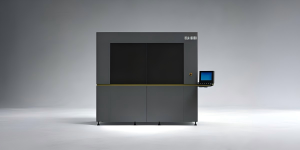
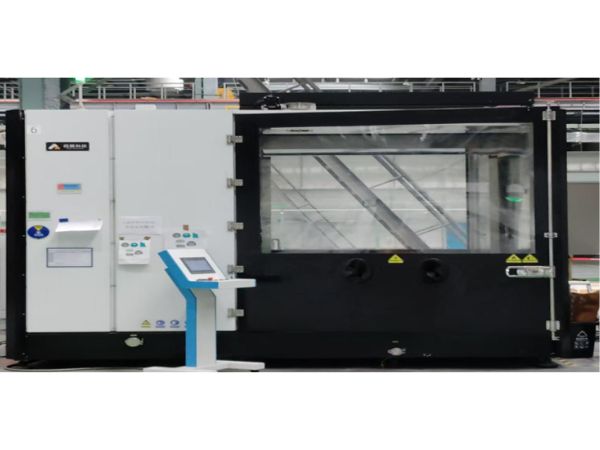
- The machine includes an enclosed working structure, transparent observation window, and touchscreen operation interface.
- The maximum processing size is 1530 × 1530 × 1700 mm.
What Is a Vibration Cleaning Station?
A vibration cleaning station is a specialized machine designed to clean engine components before they move into testing, washing, or inspection stages.
In manufacturing, cleaning is not only about making a part look clean. It is also about creating better control before important quality checks.
Engine components often go through several production steps. During machining, handling, or transportation, small particles may remain on or inside components. Before flow testing begins, manufacturers need a reliable way to prepare these parts.
A vibration cleaning station provides this preparation step.
The equipment uses vibration movement to loosen unwanted particles and helps create a more consistent condition for the next manufacturing process.
How Does a Vibration Cleaning Station Work?
A vibration cleaning station works by applying controlled vibration to engine components inside a dedicated working area.
The basic process includes:
- Components are placed inside the cleaning area.
- Vibration movement helps loosen remaining particles.
- The cleaning process prepares components for the next production step.
- Components continue to flow testing, washing, or inspection.
The product shown includes an enclosed equipment structure with a transparent viewing window. This allows operators to observe the internal process while using the touchscreen operation terminal.
The purpose is simple:
Prepare components properly before they enter important manufacturing stages.
Why Do Engine Manufacturers Use Vibration Cleaning Equipment?
Engine manufacturers use vibration cleaning equipment because component preparation affects testing consistency and production quality.
A component may pass through many steps before final assembly. During these steps, small amounts of residue or particles may remain.
If different components enter testing with different cleanliness conditions, manufacturers may face difficulties when comparing results.
A dedicated cleaning process helps create a more stable workflow.
For example, an automotive supplier producing engine components may need to check the flow performance of each part. Before testing, the supplier wants every component prepared under similar conditions. A vibration cleaning station helps create that controlled preparation stage.
How Does a Vibration Cleaning Station Support Flow Testing and Washing Requirements?
The vibration cleaning station is designed to meet engine component flow testing and washing preparation needs.
Flow testing checks how fluids move through specific engine components. For these tests to provide useful information, the components need proper preparation before measurement.
Cleaning before testing helps reduce the possibility that loose particles affect the process.
The equipment fits into a manufacturing sequence like this:
Component production → Vibration cleaning → Flow testing → Washing process → Quality inspection → Assembly
This workflow helps manufacturers create a clear connection between cleaning and quality control.
What Are the Main Features of This Vibration Cleaning Station?
The vibration cleaning station combines an industrial structure with a controlled operating environment.
The main product details include:
| Feature | Information |
|---|---|
| Product name | Vibration Cleaning Station |
| Main application | Engine component flow testing and washing requirements |
| Equipment type | Industrial cleaning and preparation equipment |
| Maximum processing size | 1530 × 1530 × 1700 mm |
| Working structure | Enclosed cleaning area |
| Observation method | Transparent viewing window |
| Operation system | Touchscreen control interface |
Enclosed Working Structure for Better Process Control
One visible feature of this vibration cleaning station is its enclosed design.
The equipment includes:
- A closed working chamber
- Transparent observation window
- External protective structure
The enclosed design creates a dedicated area for the cleaning process.
For operators, the transparent window makes it easier to monitor what is happening inside the equipment without interrupting operation.
In manufacturing environments, clear visibility and organized operation are important because production teams need equipment that fits naturally into daily work.
Touchscreen Operation Interface
The vibration cleaning station includes a touchscreen operation terminal.
A touchscreen interface gives operators a direct way to interact with the equipment.
Instead of depending on complicated manual controls, operators can manage the machine through a clear interface designed for industrial use.
When selecting production equipment, manufacturers often consider not only the machine function but also how easily operators can use it during daily production.
Maximum Processing Size: 1530 × 1530 × 1700 mm
The maximum processing size of this vibration cleaning station is:
1530 × 1530 × 1700 mm
This measurement helps manufacturers evaluate whether the equipment matches their component size requirements.
Before purchasing industrial cleaning equipment, companies should review:
- Component dimensions
- Production space
- Manufacturing workflow
- Testing requirements
Choosing equipment that fits the actual production environment helps prevent problems later.
Where Is a Vibration Cleaning Station Used?
In modern automotive production, cleaning is only one part of the complete manufacturing process. Companies also need reliable engine component manufacturing solutions to maintain quality control from part production to final inspection.
A vibration cleaning station is mainly used in automotive manufacturing and industrial production environments where component cleanliness matters before testing, washing, and inspection.
The equipment is especially suitable for companies that produce or process engine-related components and need a controlled cleaning step before quality checks.
Common application areas include:
- Engine manufacturing plants
- Automotive parts suppliers
- Precision component manufacturers
- Industrial production lines
- Engine component testing facilities
Automotive Manufacturing Applications
Automotive manufacturing requires stable production processes because engine components must meet strict quality expectations before assembly.
A typical engine component may go through:
Manufacturing → Cleaning preparation → Testing → Inspection → Assembly
Each step affects the next one.
A vibration cleaning station supports the cleaning preparation stage by helping remove loose particles before components move into flow testing or washing procedures.
For example, an automotive supplier producing engine parts may need to inspect hundreds or thousands of components. A consistent cleaning step helps the production team handle components under similar conditions.
Precision Manufacturing Applications
Precision manufacturing often depends on controlling small details.
When parts are used for testing or inspection, unexpected particles can create additional concerns during production.
A vibration cleaning station provides a dedicated process between manufacturing and inspection.
This helps companies organize their workflow and create a repeatable cleaning procedure.
How Does a Vibration Cleaning Station Improve Manufacturing Processes?
A vibration cleaning station improves manufacturing processes by adding a controlled cleaning stage before important testing and washing operations.
The value is not only the cleaning action itself.
The bigger benefit is process control.
Manufacturers need each production step to connect smoothly. When cleaning is handled as part of the workflow, companies can better manage component preparation.
Reducing Particle Contamination Before Testing
Engine components may collect unwanted materials during:
- Machining
- Transportation
- Handling
- Manufacturing operations
A vibration cleaning station helps loosen these materials before components continue through the production line.
This gives manufacturers a cleaner starting point before inspection and testing.
Example:
A company produces engine components for automotive applications. Before flow testing, the production team uses a vibration cleaning station to prepare parts. This creates a more consistent condition before testing begins.
Creating a More Organized Production Workflow
Manufacturing teams often look for equipment that fits into their existing process.
The vibration cleaning station can become one part of a larger production system:
| Production Step | Purpose |
|---|---|
| Component manufacturing | Produce engine parts |
| Vibration cleaning | Prepare components by removing residual particles |
| Flow testing | Check component performance |
| Washing | Meet cleaning requirements |
| Final inspection | Confirm production quality |
This type of workflow helps production teams clearly define where cleaning happens and why it matters.
Vibration Cleaning Station vs Traditional Cleaning Methods
Different cleaning methods work for different situations.
Traditional cleaning approaches may depend more on manual operation, while a vibration cleaning station is designed as dedicated industrial equipment for component preparation.
| Comparison | Traditional Cleaning Methods | Vibration Cleaning Station |
|---|---|---|
| Main approach | General cleaning methods | Controlled vibration cleaning process |
| Production use | May require manual handling | Designed for industrial workflows |
| Process control | Depends on operator method | Provides a dedicated cleaning stage |
| Application focus | General cleaning | Engine component preparation before testing and washing |
The right solution depends on the component type, factory requirements, and production process.
For engine manufacturing environments, a dedicated cleaning station can help create a clearer connection between cleaning and quality inspection.
How to Choose Engine Component Cleaning Equipment?
Selecting the right engine component cleaning equipment requires understanding the complete production process.
A machine should not only fit the component size. It should also match the way the factory operates.
Before selecting cleaning equipment, manufacturers should understand how the machine fits into their overall precision parts manufacturing processes, including production requirements, component handling, and quality inspection steps.
Check Component Size Requirements
The first step is confirming whether the equipment can handle the required component dimensions.
This vibration cleaning station provides a maximum processing size of:
1530 × 1530 × 1700 mm
Manufacturers should compare this specification with their actual engine components before making a decision.
Review Production Requirements
Before choosing equipment, companies should consider:
- What components need cleaning?
- Is flow testing part of the process?
- Are washing requirements included?
- How will the equipment connect with existing production steps?
A good equipment choice starts with understanding the production challenge.
Consider Equipment Structure and Operation
Important factors include:
- Enclosed working area
- Clear observation window
- Operator control interface
- Available factory space
The vibration cleaning station shown in the product image includes these features, making it suitable for industrial manufacturing environments.
Why Choose Forgecise for Vibration Cleaning Solutions?
Forgecise provides industrial equipment solutions designed around manufacturing needs.
When companies evaluate a vibration cleaning station, they usually look beyond the machine itself.
They need equipment that fits their production workflow.
Important considerations include:
- Application suitability
- Component requirements
- Factory conditions
- Operation needs
Forgecise focuses on helping manufacturers identify equipment solutions that match their production goals.
Frequently Asked Questions About Vibration Cleaning Stations
What is a vibration cleaning station used for?
A vibration cleaning station is used to prepare industrial components by removing loose particles before testing, washing, and inspection. In engine manufacturing, it supports cleaning requirements before flow testing and helps create more consistent component preparation.
Why do engine components need cleaning before flow testing?
Engine components need cleaning before flow testing because remaining particles may affect the testing environment. Preparing components first helps manufacturers create more controlled conditions when checking component performance and quality.
What industries use vibration cleaning stations?
Vibration cleaning stations are mainly used in automotive manufacturing, engine production, precision manufacturing, and industrial production environments. They are suitable for situations where component cleanliness is important before testing or additional processing.
What is the maximum processing size of this vibration cleaning station?
The maximum processing size of this vibration cleaning station is 1530 × 1530 × 1700 mm. Manufacturers can use this specification to compare the equipment working area with their engine component dimensions and production needs.
Can a vibration cleaning station be used in an automated manufacturing process?
A vibration cleaning station can be considered for industrial production environments. The exact level of automation or connection with other equipment depends on the factory workflow, production requirements, and equipment configuration.
Final Thoughts: Improving Engine Component Preparation with a Vibration Cleaning Station
A vibration cleaning station provides manufacturers with a dedicated way to prepare engine components before flow testing and washing processes.
The equipment combines several important features:
- Industrial enclosed structure
- Transparent observation window
- Touchscreen operation interface
- Maximum processing size of 1530 × 1530 × 1700 mm
For automotive manufacturers and component suppliers, controlling cleanliness before testing can help create a more organized and consistent production process.
The key point is simple:
A cleaner component creates a better starting point for inspection and manufacturing decisions.
Companies looking for an engine component cleaning solution can contact Forgecise to discuss their application requirements and evaluate suitable equipment options.