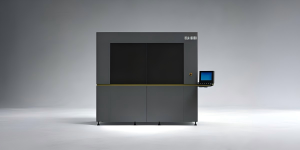
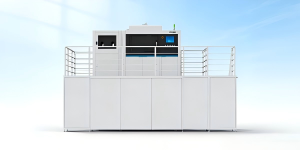
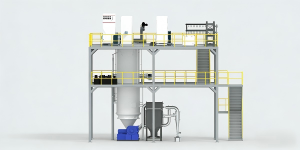
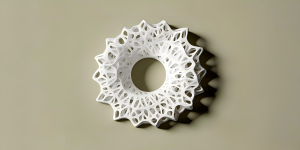
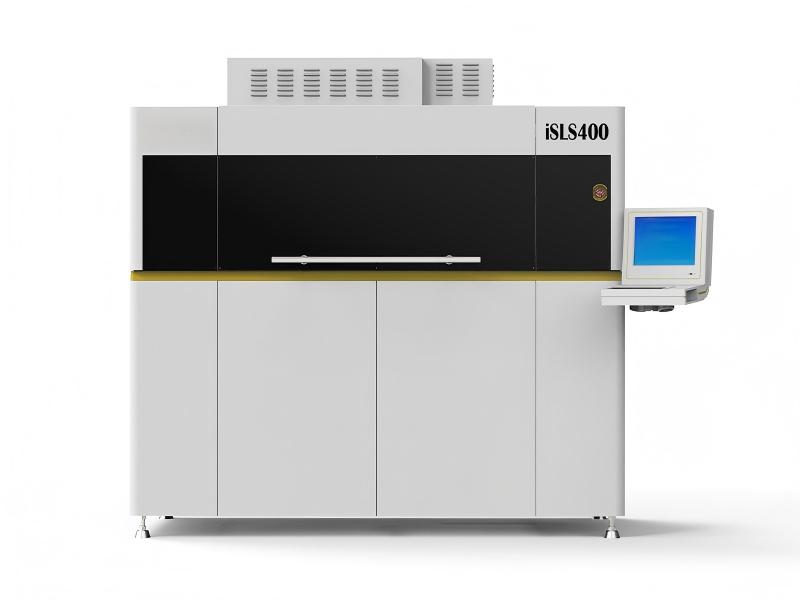
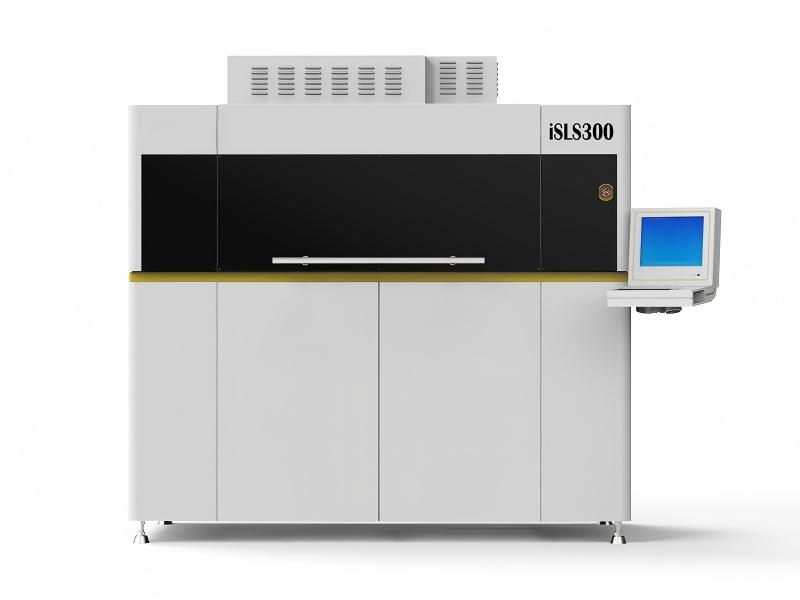
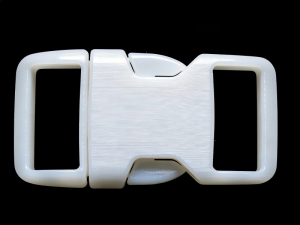
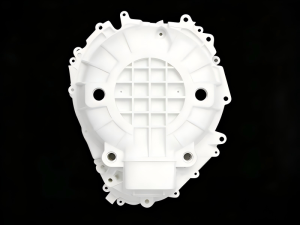
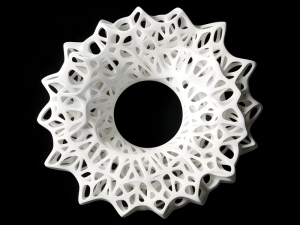
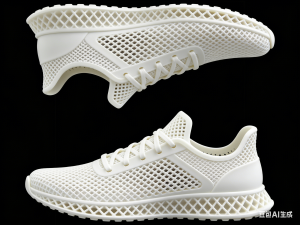
Selective Laser Sintering (SLS) uses a high-power laser to fuse nylon powder (typically PA12 or PA11) into durable, functional parts layer by layer with ability to produce complex geometries without support structures. It delivers components with excellent mechanical strength, flexibility, and chemical resistance.
Nylon 3D Printer (SLS)
Offer a diverse range of 3D printer models for rapid prototyping, low-volume production in aerospace, automotive, and medical industries.
Automated powder management to maximize powder reuse rates
Support-free printing by utilizing unsintered powder as natural support
Uniform Thermal Control to maintain stable build chamber environment
High-Power CO₂ laser sources ensure fast scanning speeds, fine detail
End-to-end turnkey solution, provide a complete solution
Nylon 3D Printer (SLS)
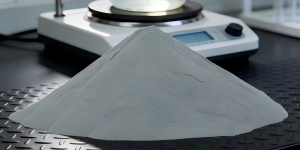
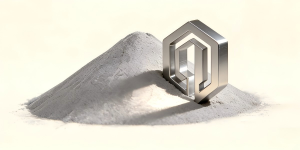
Compatible metal powders include Nickel Alloys, Niobium Alloys, Tungsten Alloys, Molybdenum Alloys, Stainless Steel, Aluminum Alloys, Titanium Alloys, Cobalt-Chrome Alloys, Tool Steel, and High-Conductivity Copper.
MF100 Mineral-Fiber Reinforced Nylon 12 Powder
GF100 Glass-Fiber Reinforced Nylon Powder
PA12 Polyamide Nylon 12 Powder
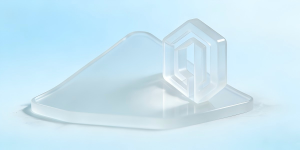
TPU (Thermoplastic Polyurethane) Powder
Case Studies
Nylon SLS 3D printers are extensively employed in the automotive, aerospace, and medical industries to manufacture durable, functional end-use parts.
Aerospace: Large-Scale Structural Components
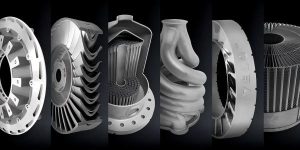
Leveraging our 1.2m+ ultra-large build volume, we use Titanium Alloys (TC4) or Aluminum Alloys (AlSi₁₀Mg) to directly print complete wing stiffeners or satellite payload brackets in a single piece.
Using biocompatible Cobalt-Chrome Alloys (MP1) or Titanium Alloys (TC4), we print pelvic repair plates or spinal fusion cages that perfectly match patient anatomy based on CT data, featuring biomimetic porous surfaces.
Heavy Industry: High-Temperature Turbine Blades & Heat Exchangers
Utilizing Nickel-Based Superalloys or Refractory Metals (Tungsten/Molybdenum Alloys) to print large turbine blades with complex internal film-cooling holes or highly efficient compact heat exchangers.
Using High-Conductivity Copper (QCr1) to directly print integrated heat sinks featuring micro-channels and (irregular) fins.
Info Box
Click here to change this text. Lorem ipsum dolor sit amet, consectetur adipiscing elit. Ut elit tellus, luctus nec ullamcorper mattis, pulvinar dapibus leo.
Ready to Transform Your Manufacturing?
Contact our experts to discuss your specific requirements