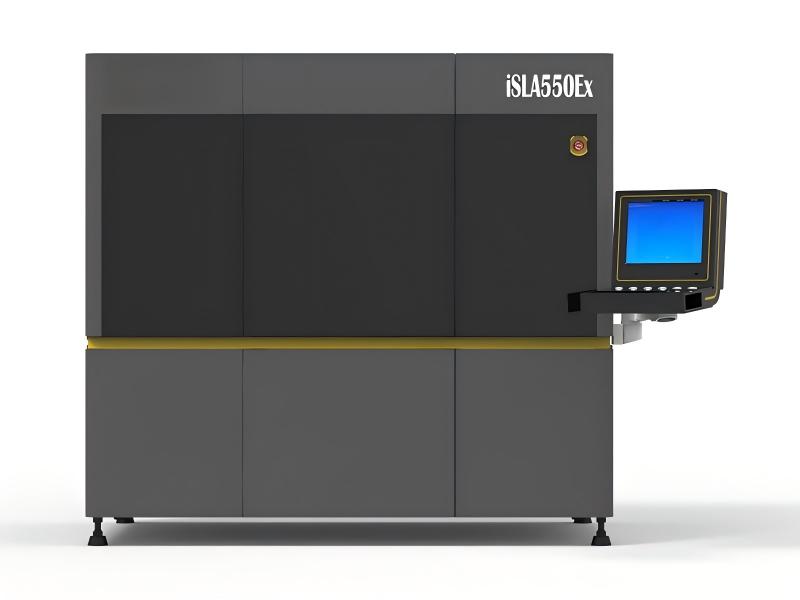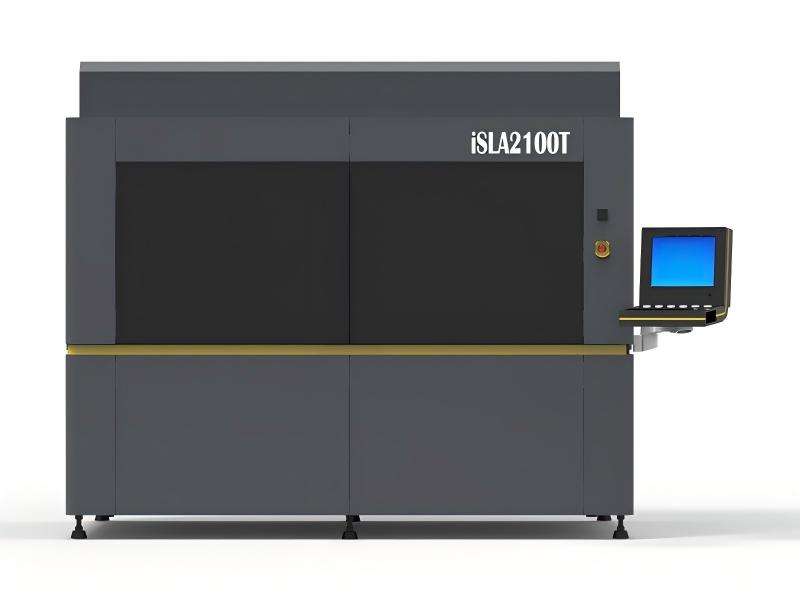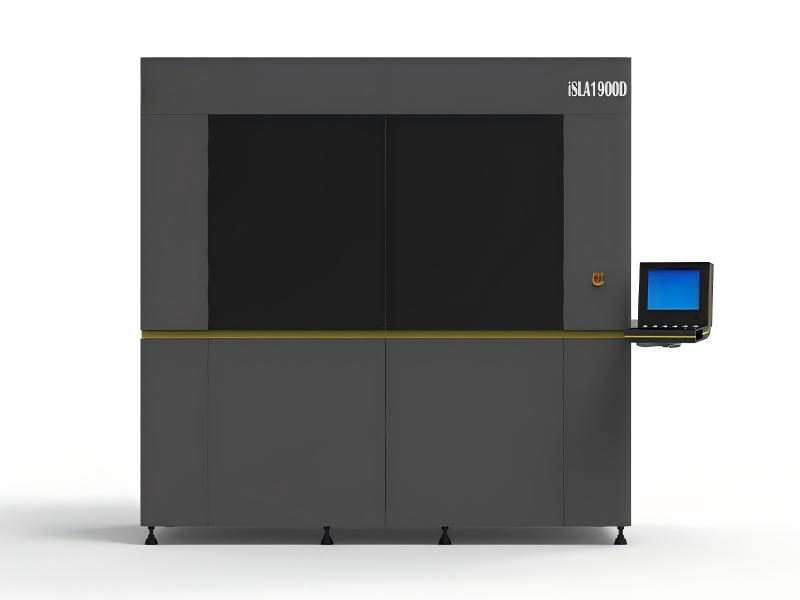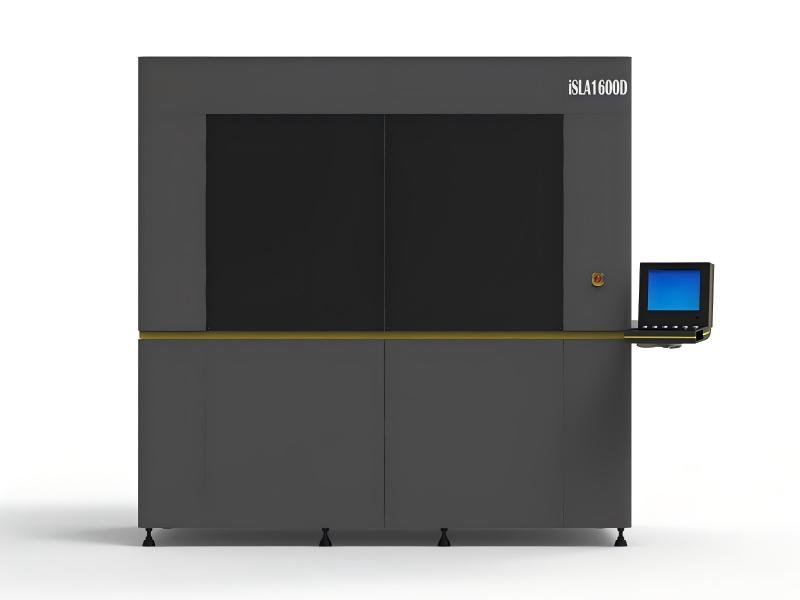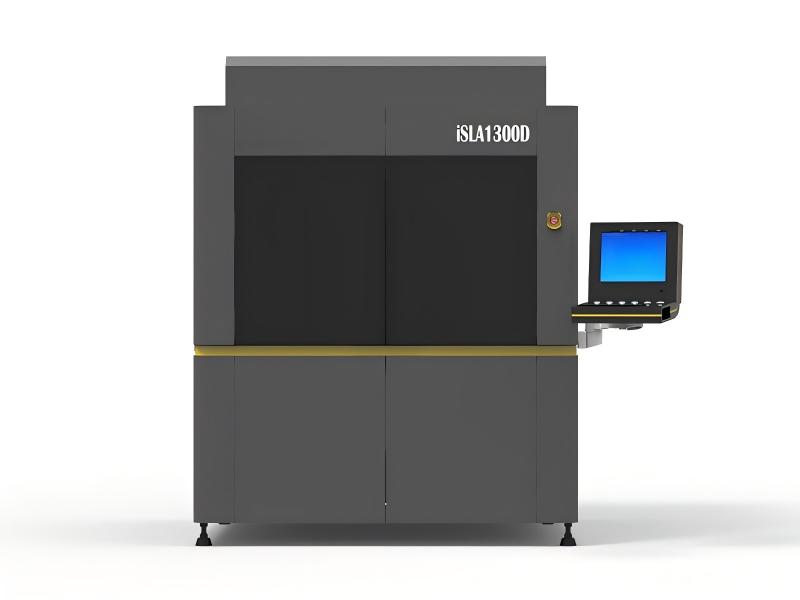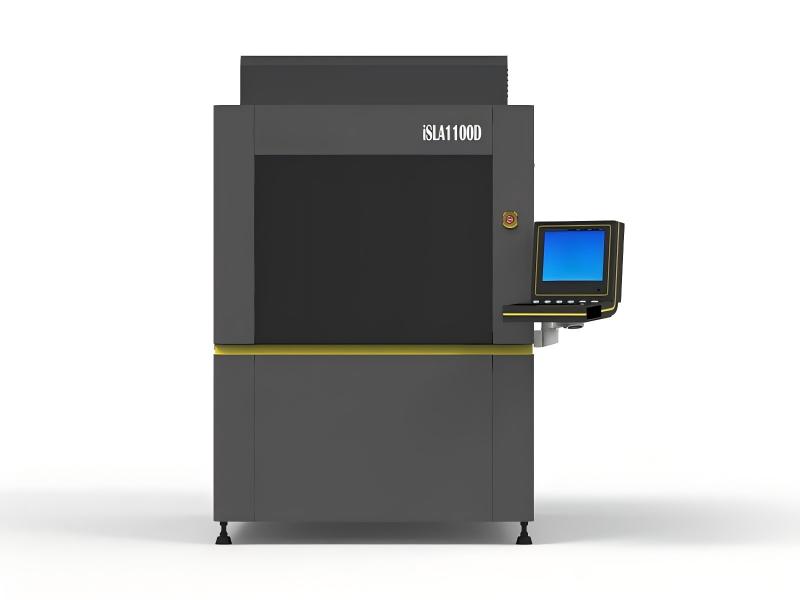
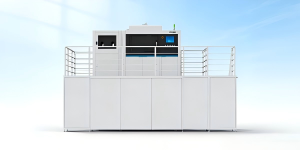

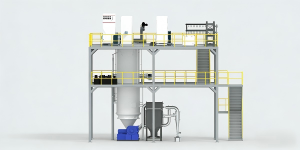



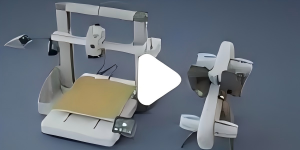
Resin 3D Printer (SLA)

Overview

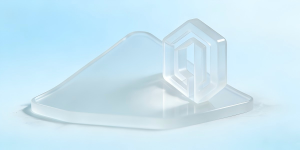
A Resin 3D Printer (SLA) uses a UV laser to selectively cure liquid photopolymer resin into solid layers, building highly detailed and smooth-surfaced objects with exceptional precision—ideal for applications like jewelry prototyping, dental models, and engineering parts.

Key Features

Industrial-grade optical precision for micro-engineering applications.

Seamless Post-Processing Workflow

Wide material compatibility and customizable wavelength settings

Scalable build environments from compact desktop to large chambers

Intelligent process control features real-time monitoring of resin

Enterprise-ready software includes slicing software with algorithms

Resin 3D Printer (SLA)

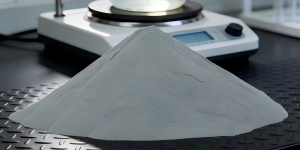
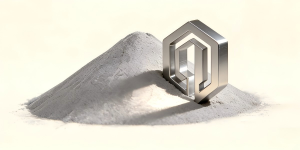
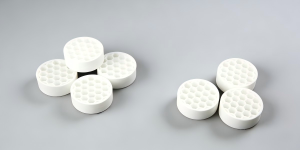
SLA 3D printing utilizes a diverse range of liquid photopolymer resins—including standard, tough, castable, heat-resistant, biocompatible, and ceramic-filled formulations—each engineered to deliver specific mechanical properties and surface finishes for various applications

Case Studies

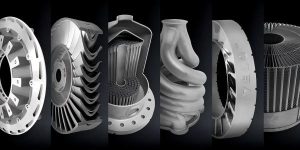
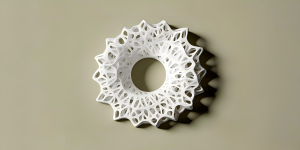
Resin 3D printing is utilized in jewelry casting, dental and medical device manufacturing, aerospace prototyping, and micro-engineering.

Aerospace: Large-Scale Structural Components

Leveraging our 1.2m+ ultra-large build volume, we use Titanium Alloys (TC4) or Aluminum Alloys (AlSi₁₀Mg) to directly print complete wing stiffeners or satellite payload brackets in a single piece.

Automotive: Conformal Cooling Molds & Lightweight Chassis

Printing EV battery trays or subframes that integrate the functions of multiple parts.

3. Medical: Customized Orthopedic Implants & Surgical Guides

Using biocompatible Cobalt-Chrome Alloys (MP1) or Titanium Alloys (TC4), we print pelvic repair plates or spinal fusion cages that perfectly match patient anatomy based on CT data, featuring biomimetic porous surfaces.

Heavy Industry: High-Temperature Turbine Blades & Heat Exchangers

Utilizing Nickel-Based Superalloys or Refractory Metals (Tungsten/Molybdenum Alloys) to print large turbine blades with complex internal film-cooling holes or highly efficient compact heat exchangers.

Electronics Thermal Management: High-Conductivity Complex Components

Using High-Conductivity Copper (QCr1) to directly print integrated heat sinks featuring micro-channels and (irregular) fins.

Info Box

Click here to change this text. Lorem ipsum dolor sit amet, consectetur adipiscing elit. Ut elit tellus, luctus nec ullamcorper mattis, pulvinar dapibus leo.

Ready to Transform Your Manufacturing?

Contact our experts to discuss your specific requirements

This field is required.