






Release Date: 2026-04-19
Paul Li
CTO | Author18 years experience in the Research and Development of 3D printing equipment and additive manufacturing processes, empowering the efficient intelligent manufacturing of complex parts.
Technical Background and Industry Needs
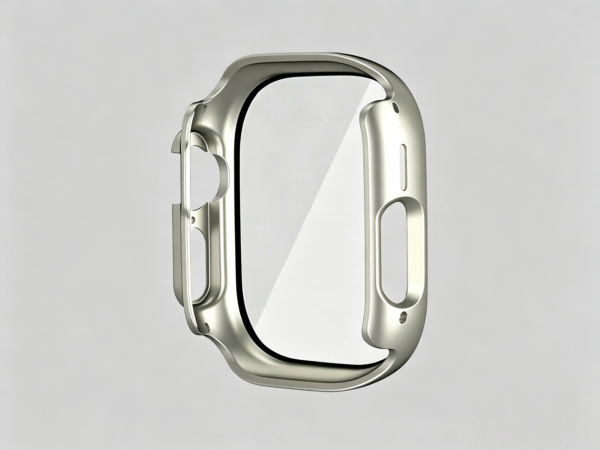
Smartwatches, as representative products of wearable devices, require case designs that balance lightweight construction, durability, and aesthetic appeal. Traditional manufacturing processes face significant limitations in material utilization and design freedom, particularly in the production of high-end titanium watch cases. Conventional forging techniques not only result in substantial material waste but also struggle to achieve complex structural designs. As consumer demand for lightweight and personalized products continues to grow, the application of 3D printing technology has brought revolutionary breakthroughs to smartwatch case manufacturing.
Core Technological Breakthrough
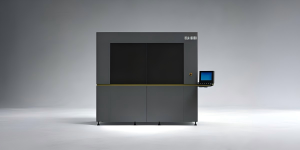
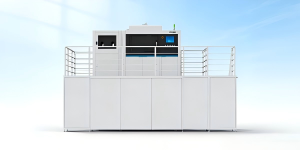
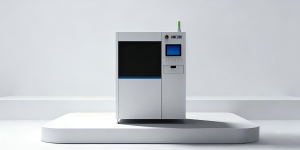
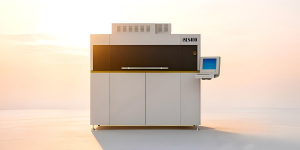
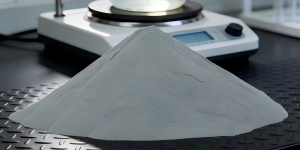
By the end of 2025, an international consumer electronics manufacturer comprehensively adopted 3D printing processes for titanium watch case production in its newly launched premium smartwatch product line. This technological breakthrough not only achieved efficient material utilization but also provided unprecedented design freedom. The technology employs binder jetting processes, using 100% recycled titanium powder as raw material, building case prototypes through layer-by-layer stacking. This marks a significant transition of 3D printing technology from prototyping to mass production.
Material and Process Innovation
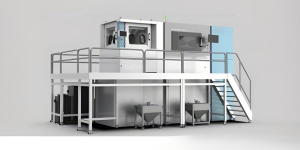
In terms of material selection, recycled titanium powder offers significant advantages. This material features low density, high strength, and excellent corrosion resistance, making it ideal for the lightweight requirements of wearable devices. The manufacturing process utilizes binder jetting technology, precisely spraying binder onto layers of titanium powder to construct the case shape layer by layer. After printing is complete, hot pressing processes enhance material density and strength, followed by precision machining to ensure products meet design specifications.
Technical Parameters and Performance Metrics
This 3D printing process achieved multiple technological breakthroughs: raw material utilization improved by 50% compared to traditional processes, with each production batch expected to save over 400 tons of titanium raw materials. Case weight was reduced by 15-20% compared to traditional manufacturing methods, with surface precision reaching ±0.05mm high-accuracy requirements. These technical indicators not only demonstrate the maturity of 3D printing technology but also showcase its immense potential in consumer electronics applications.
Product Advantages and User Experience
3D printed titanium watch cases achieve significant lightweight effects while maintaining strength, substantially improving wearing comfort. Simultaneously, 3D printing technology overcomes limitations of traditional forging processes, enabling texture and structural detail printing in areas inaccessible to conventional methods, achieving more complex and refined designs. Using 100% recycled titanium powder significantly reduces raw material consumption, aligning with sustainable development concepts and providing consumers with more environmentally friendly product options.
Design Innovation Space Expansion
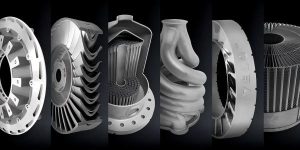
3D printing technology brings entirely new possibilities to smartwatch case design. More complex internal support structures can be designed, achieving lightweight construction while maintaining strength. Complex texture patterns can be printed on both the case surface and interior, enhancing product aesthetics. Functional components such as antennas and sensor brackets can be directly integrated into the case, simplifying assembly processes. These design advantages provide greater space for product innovation.
Production Model Transformation
3D printing technology offers high production flexibility, enabling prototype completion of new designs within hours to accelerate product development cycles. It suits small-batch, multi-variety production models, meeting personalized customization demands. Production plans can be flexibly adjusted according to market needs, reducing inventory pressure. This transformation in production models brings new development opportunities to consumer electronics manufacturing.
Industrial Chain Collaborative Development
This technological breakthrough drives collaborative development across the entire industrial chain. Demand for recycled titanium powder has grown substantially, promoting technological advancement among upstream material suppliers. Market demand for high-precision 3D printing equipment has increased, fostering technological innovation among equipment manufacturers. Demand for post-processing services such as hot pressing and surface treatment has risen, driving development in related service industries. This industrial chain synergy establishes a solid foundation for further application of 3D printing technology in consumer electronics.
Market Prospects and Development Trends
With the successful application of 3D printing technology in smartwatch case manufacturing, this technology is expected to gradually expand to other wearable devices and consumer electronics products. According to market research data, the global 3D printing market reached $24.61 billion in 2024, with a projected compound annual growth rate of 18.5% from 2024 to 2034. The consumer electronics sector will become an important growth driver. The success of this case provides valuable reference for 3D printing technology applications in other consumer electronics components.
Conclusion and Outlook
The 3D printed titanium smartwatch case manufacturing case fully demonstrates the immense potential of this technology in the consumer electronics field. Through binder jetting processes and recycled titanium material applications, it not only achieves efficient material utilization and lightweight product design but also provides greater space for product innovation. The success of this case indicates that 3D printing will play an increasingly important role in consumer electronics, driving the entire industry toward more environmentally friendly, efficient, and innovative development directions.
About Forgecise
Forgecise is an innovator in additive manufacturing technology, dedicated to providing high-performance metal 3D printing materials, equipment, and process solutions for the mold manufacturing, energy power, and other industrial sectors.