




admin

SLM VS Binder Jetting, Which Metal 3D Printing to Choose?

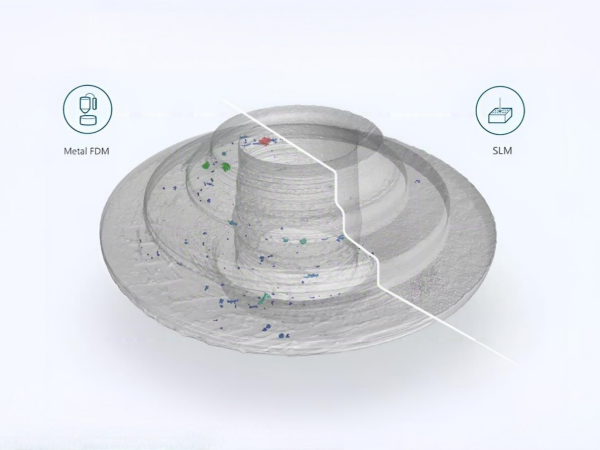
Metal 3D Printed Parts Fatigue Performance and Defect Control

In the aerospace, medical device, and automotive industries, metal 3D printing (additive manufacturing) is gradually transitioning from prototyping to the production of safety-critical components. However, to truly replace traditional forging or casting processes, a core threshold must be crossed: fatigue performance. Unlike traditional manufacturing, the layer-by-layer stacking nature of 3D printed parts makes their microstructure, defect

Metal 3D Printed Parts Fatigue Performance and Defect Control Read More »
SLM VS Binder Jetting, Which Metal 3D Printing to Choose?

SLM VS Binder Jetting, Which Metal 3D Printing to Choose?

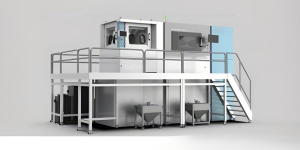
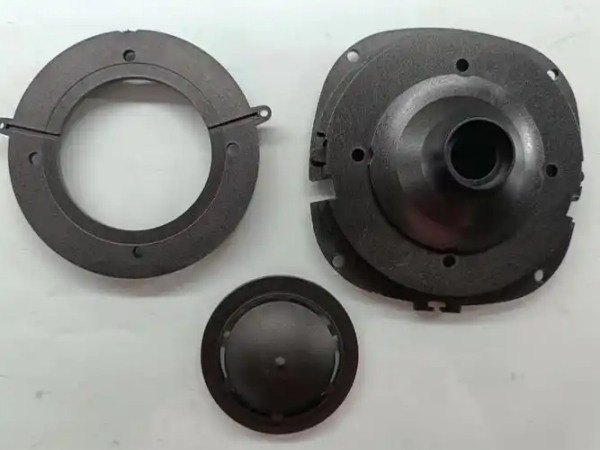
In the world of metal 3D printing, although both methods can eventually produce hard parts, the underlying principles are vastly different. Currently, the two most discussed technologies on the market are Laser Powder Bed Fusion (SLM), which is based on “melting,” and Binder Jetting or Metal FDM, which are based on “sintering/bonding.” To help everyone better understand the differences

SLM VS Binder Jetting, Which Metal 3D Printing to Choose? Read More »

3D Printing in Consumer Electronics Smart Speaker Acoustic Component Manufacturing

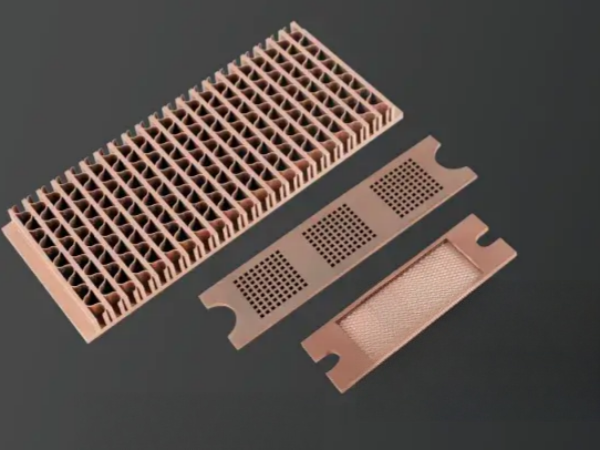
3D Printing in Consumer Electronics: Smart Speaker Acoustic Component Manufacturing

Release Date: 2026-04-19 Industry Background and Technical Requirements Smart speakers, as core devices in smart home ecosystems, have audio quality and appearance design that directly impact user experience. Traditional manufacturing processes face numerous challenges in the production of acoustic components, including difficulties in forming complex internal cavities, insufficient acoustic tuning precision, and limitations in appearance

3D Printing in Consumer Electronics: Smart Speaker Acoustic Component Manufacturing Read More »

3D Printing in Consumer Electronics Titanium Smartwatch Case Manufacturing

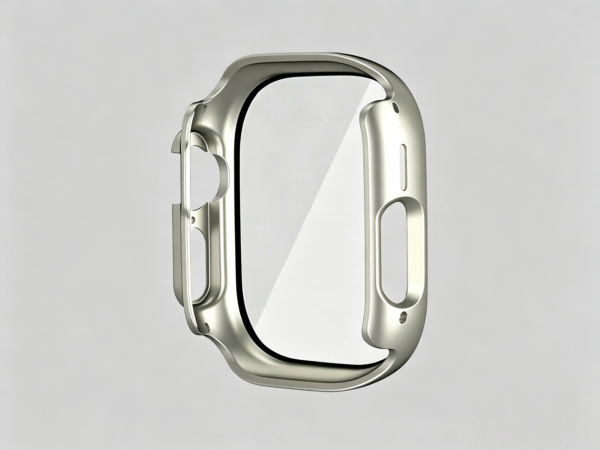
3D Printing in Consumer Electronics: Titanium Smartwatch Case Manufacturing

Release Date: 2026-04-19 Technical Background and Industry Needs Smartwatches, as representative products of wearable devices, require case designs that balance lightweight construction, durability, and aesthetic appeal. Traditional manufacturing processes face significant limitations in material utilization and design freedom, particularly in the production of high-end titanium watch cases. Conventional forging techniques not only result in substantial

3D Printing in Consumer Electronics: Titanium Smartwatch Case Manufacturing Read More »

3D Printing in Accelerating R&D in the Consumer Electronics Industry

3D Printing in Accelerating R&D in the Consumer Electronics Industry

Release Date: 2026-04-19 Introduction 3D printing technology, also known as additive manufacturing, has evolved from a simple prototyping tool since its inception in the 1980s to become an integral component of modern manufacturing. In the consumer electronics sector, this technology is playing an increasingly important role, not only accelerating product development processes but also driving

3D Printing in Accelerating R&D in the Consumer Electronics Industry Read More »

Innovation in Shoe Mold Manufacturing SLM Metal 3D Printing Enables Efficient Production

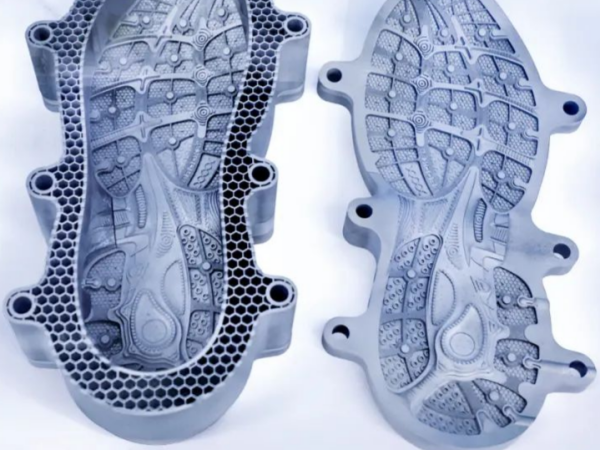
Innovation in Shoe Mold Manufacturing: SLM Metal 3D Printing Enables Efficient Production

Release Date: 2026-04-19 The Evolution of Shoe Mold Manufacturing As 3D printing technology continues to mature, the traditional shoe mold manufacturing industry is undergoing a quiet but profound transformation. Through digital technologies, mold manufacturers can now significantly improve both efficiency and quality in their production processes. Among various additive manufacturing techniques, metal 3D printing stands

Innovation in Shoe Mold Manufacturing: SLM Metal 3D Printing Enables Efficient Production Read More »

The Application of 3D Printing Technology in Mold Manufacturing

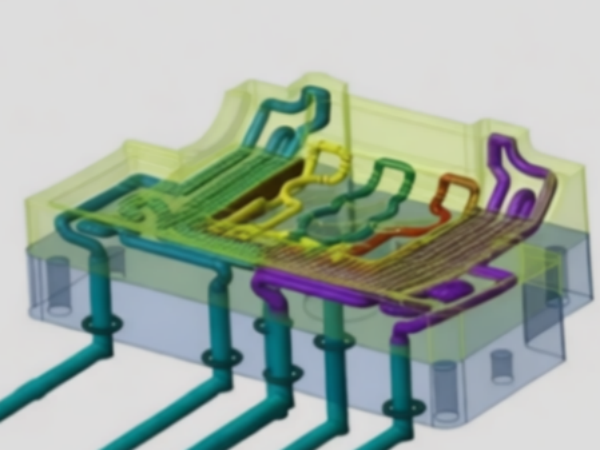
The Application of 3D Printing Technology in Mold Manufacturing

Release Date: 2026-04-10 3D printing technology emerged in the mid-1990s. Using a computer-generated 3D design model as its blueprint, it employs software to slice the model into discrete layers and utilizes a CNC forming system to build physical objects layer by layer. Specialized materials—such as ceramic powder, metal powder, plastics, or even biological tissues—are selectively

The Application of 3D Printing Technology in Mold Manufacturing Read More »

3D Parts Manufacturing Custom Window Frame Manufactured by 3D Metal Printing(1)

3D Parts Manufacturing: Custom Window Frame Manufactured by 3D Metal Printing

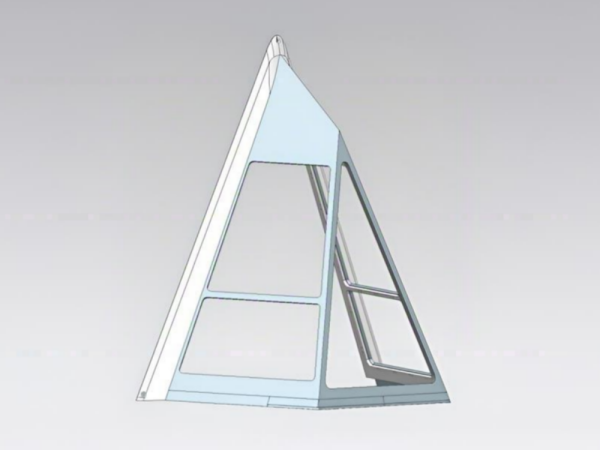
Release Date: 2026-04-19 This article describes the end-to-end manufacturing process of a custom window frame produced via metal additive manufacturing (AM), based on a real-world case from an aerospace-related application. The part is a triangular structural frame, designed to meet MIL-815 requirements and fabricated from titanium alloy (e.g., Ti-6Al-4V, also known as TC4 or TA15).

3D Parts Manufacturing: Custom Window Frame Manufactured by 3D Metal Printing Read More »

3D Parts Manufacturing: How a 3D-Printed Suction Cap Evolves Through Design Intelligence

3D Parts Manufacturing: How a 3D-Printed Suction Cap Evolves Through Design Intelligence

Release Date: 2026-04-19 In the quiet corners of modern engineering workshops, a seemingly simple component—a suction cap—can tell a profound story about how manufacturing is changing. Not the kind of cap used in household vacuum cleaners, but a precision-engineered part designed for high-performance applications: its shape is intricate, its internal flow paths non-trivial, and its

3D Parts Manufacturing: How a 3D-Printed Suction Cap Evolves Through Design Intelligence Read More »

When Lasers "Sculpt" Metal: The Birth of a 3D-Printed Component That Is as Light as a Feather and as Strong as a Rock

3D Parts Manufacturing: The Birth of a 3D-Printed Component, Light and Strong

Release Date: 2026-04-19 In the world of modern high-end equipment, there exists a class of components that appear ordinary yet embody extraordinary engineering wisdom. These parts may be large in size, twisted in shape, and hollow inside like a honeycomb; they must be as light as possible while remaining as stable as a mountain; their

3D Parts Manufacturing: The Birth of a 3D-Printed Component, Light and Strong Read More »