






Choose an industrial metal 3D printer around the parts you must deliver. Before comparing machines, write down the alloy, finished dimensions, monthly demand and inspection requirements. Ask each supplier to demonstrate the same representative part and report the complete route from powder to an accepted component.
Table of contents
Define the part before selecting the machine
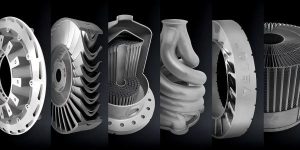
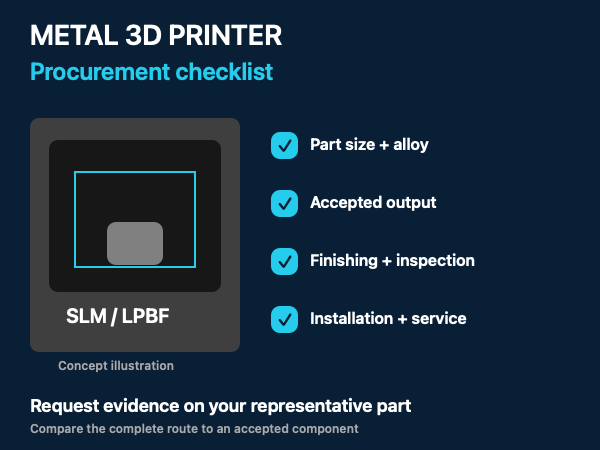
This checklist concerns laser powder bed fusion systems, often described as SLM or DMLS. Other metal printing processes have different equipment and finishing requirements. Begin with a released drawing or a controlled prototype revision. Mark the functional surfaces, tolerances and features that require machining. A CAD envelope alone leaves out supports, the build plate and clearance for removal.
A procurement checklist you can use in an RFQ
| Requirement | What to send | Evidence to request |
|---|---|---|
| Part envelope | CAD, orientation constraints and largest expected part | Usable build space including supports and removal allowance |
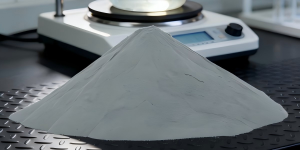
| Material | Alloy designation and required final condition | Compatible powder specification, parameter scope and traceability records |
| Capacity | Part mix, monthly quantity and delivery schedule | Representative build layout, full cycle time and accepted output |
| Quality | Critical dimensions, surface requirements and test plan | Inspection report for the agreed sample and documented measurement methods |
| Post-processing | Required heat treatment, machining and cleaning | Process route, in-house or subcontracted scope and acceptance responsibility |
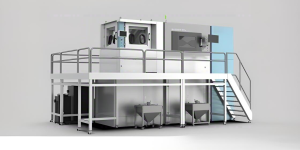
| Facility | Available floor space, utilities and powder handling arrangements | Installation requirements and a site-specific assessment |
| Service | Operating shifts, location and staff experience | Training scope, maintenance plan, spare-parts terms and support response commitments |
Compare throughput on your own geometry
Request a build-time estimate using the intended alloy, layer setting and actual part arrangement. Include preparation, warm-up where applicable, cooling, powder handling and plate turnaround. Confirm which activities occupy the printer and which can happen on separate equipment. Laser count and advertised scan speed alone do not establish monthly output.
Calculate planned output as accepted parts per build multiplied by achievable builds per month. Record the assumptions for maintenance, staffing and rejected parts. Run a lower-demand scenario as well: equipment ownership costs continue when orders fall.
Agree on sample acceptance before the demonstration
Send the supplier an inspection drawing before the trial. Identify the dimensions to measure, the reference datums, the required material condition and any destructive or nondestructive tests. Agree who chooses the samples and how results will be recorded. A smooth display sample provides little evidence about an inaccessible channel or a tightly toleranced bore in your production part.
For internal channels, discuss powder evacuation and the inspection route during design review. For mating surfaces, specify machining allowance and the finished measurement condition. The powder removal guide explains issues to include in that discussion.
Budget for the production route
Request separate scope for the machine, installation, powder handling, software, training and service. Add fixtures, consumables, finishing and inspection. Identify whether an hourly machine rate already includes depreciation, maintenance or utilities before adding those costs elsewhere in your model.
A smaller printer may fit the current part yet create a bottleneck at the required quantity. A larger system may leave expensive capacity unused. Compare both against the same demand forecast and outsourcing option. Parts manufacturing services can provide another route for trial orders or demand peaks.
Questions to resolve before placing an order
Can the supplier process your alloy and supply the relevant records? Can your team remove the supports and finish the critical surfaces? Are the installation conditions achievable at your site? Does the trial meet the inspection plan? Record any open item, its owner and the evidence required to close it before acceptance.
Ask for the latest specifications when reviewing Forgecise SLM metal printers. Send your part drawing, material and production target for a machine selection discussion.
Further reading: EOS on metal printing cost factors and NIST on additive manufacturing cost models. The NIST report provides cost-model background; its historical prices are not current quotations.
For the cost comparison, use the metal 3D printing cost breakdown to separate build cost from finishing and accepted output.
Updated: November 13, 2026. By Felix Lee.