













Last Updated: August 14, 2026
Author: Felix Lee, CEO at Forgecise
Reviewed by: Forgecise Engineering Team
Table of Contents
Quick Answer
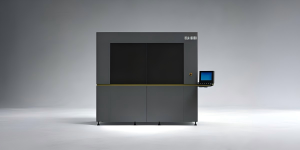
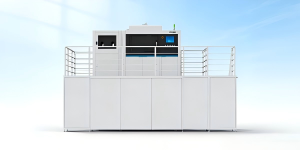
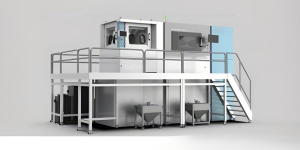
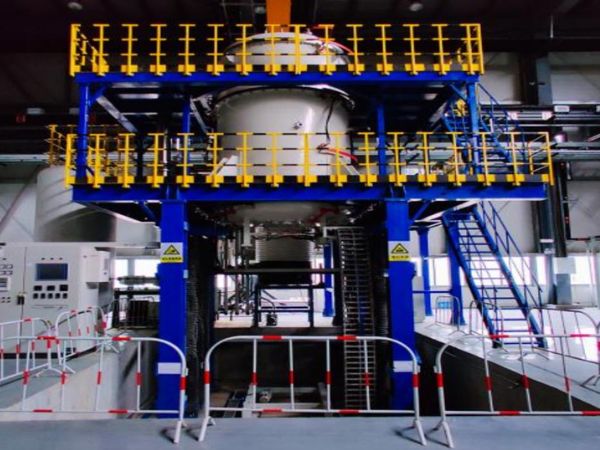
A vertical vacuum heat treatment furnace is an industrial furnace designed to heat treat large metal components inside a controlled vacuum environment. It is widely used for high-temperature alloys, titanium alloys, and stainless steel components that require clean processing, accurate temperature control, and improved material performance.
Key Points at a Glance
- The vertical vacuum heat treatment furnace is designed for aerospace, industrial, and precision metal processing applications.
- It supports Φ1300 × 3000 mm effective working size and 3000 kg maximum loading capacity.
- The furnace operates at 500–1250°C with temperature control accuracy of ≤ ±1°C.
- It supports important processes including vacuum solution treatment, vacuum annealing, and vacuum aging treatment.
- It is suitable for high-temperature alloys, titanium alloys, stainless steel components, and other advanced metal materials.
Modern manufacturing depends on materials that can handle extreme conditions.
Aircraft engines, titanium structures, and industrial components must maintain strength, stability, and reliability during operation. A small change during heat treatment can affect the final quality of a component.
This is why manufacturers use a vertical vacuum heat treatment furnace.
The purpose of this equipment is not only to heat metal. It creates a controlled environment where temperature, vacuum conditions, and processing time work together to improve the properties of advanced materials.
At Forgecise, we focus on helping manufacturers choose industrial heat treatment solutions that match their material requirements, component sizes, and production goals.
What Is a Vertical Vacuum Heat Treatment Furnace?
Short Answer:
A vertical vacuum heat treatment furnace is an industrial heating system that processes metal components inside a vacuum chamber. It helps manufacturers treat large parts while reducing oxidation, preventing contamination, and maintaining accurate temperature control.
A vertical vacuum heat treatment furnace uses a vertical chamber design combined with vacuum technology.
During operation, air is removed from the furnace chamber before heating begins. This creates a cleaner processing environment compared with traditional heating systems.
The vacuum environment helps:
- Reduce oxidation on metal surfaces
- Lower contamination risks
- Maintain material quality
- Improve processing consistency
The vertical structure also provides advantages when manufacturers need to process long or large components.
For example, aerospace suppliers often work with complex alloy parts that require strict thermal control. A stable furnace environment helps reduce process variation and improves repeatability between production batches.
What Materials Can a Vertical Vacuum Heat Treatment Furnace Process?
Short Answer:
A vertical vacuum heat treatment furnace is mainly used for advanced metals such as high-temperature alloys, titanium alloys, and stainless steel components. These materials require controlled heating conditions to achieve better strength, stability, and surface quality.
Different industries choose vacuum heat treatment because advanced materials often need more precise processing than standard metals.
High-Temperature Alloys
High-temperature alloys are designed to perform under extreme heat conditions.
Common applications include:
- Aerospace engine components
- Heat-resistant parts
- High-performance mechanical components
Many high-temperature alloys, including nickel-based superalloys, require careful thermal processing because oxidation can affect surface quality and material performance.
A vacuum furnace helps manufacturers process these materials under controlled conditions.
Titanium Alloys
Titanium alloys are widely used in aerospace manufacturing because they provide:
- High strength with low weight
- Good corrosion resistance
- Reliable performance in demanding environments
Vacuum heat treatment helps process titanium components while reducing oxygen exposure during heating.
Typical applications include:
- Aircraft structural components
- Lightweight aerospace parts
- Precision titanium assemblies
For manufacturers working with titanium alloys, maintaining a clean heating environment is an important part of achieving consistent results.
Stainless Steel Components
Stainless steel parts can also benefit from vacuum heat treatment.
Typical uses include:
- Precision mechanical components
- Industrial equipment parts
- Specialized metal assemblies
Vacuum processing helps improve surface cleanliness and maintain stable dimensions after treatment.
What Heat Treatment Processes Can This Vacuum Furnace Perform?
Short Answer:
A vertical vacuum heat treatment furnace can perform vacuum solution treatment, vacuum annealing, and vacuum aging treatment. These processes help improve metal structure, reduce internal stress, and increase strength and durability.
Each process serves a different purpose depending on the material and final application.
Vacuum Solution Treatment
Vacuum solution treatment changes the internal structure of metal materials.
Main benefits include:
- Improved material strength
- Better heat resistance
- More uniform internal structure
Aerospace alloy components often require solution treatment before final use because the process helps prepare the material for demanding operating conditions.
Vacuum Annealing Treatment
Vacuum annealing helps reduce stress created during manufacturing processes such as machining or forming.
Benefits include:
- Removing internal stress
- Improving dimensional stability
- Reducing deformation risks
This process is especially useful for precision parts where small changes in shape can affect final performance.
Vacuum Aging Treatment
Vacuum aging treatment improves mechanical properties after previous heat treatment steps.
It can help achieve:
- Higher hardness
- Improved strength
- Better service performance
Many advanced alloys depend on carefully controlled aging processes to reach their required specifications.
What Are the Main Specifications of This Vertical Vacuum Heat Treatment Furnace?
Short Answer:
This vertical vacuum heat treatment furnace is designed for large industrial metal processing. It provides a Φ1300 × 3000 mm working area, supports up to 3000 kg loading capacity, reaches 1250°C, and maintains temperature control accuracy within ≤ ±1°C.
Technical Specifications
| Parameter | Specification |
|---|---|
| Equipment Name | Vertical Vacuum Heat Treatment Furnace |
| Effective Working Size | Φ1300 × 3000 mm |
| Maximum Loading Capacity | 3000 kg |
| Working Temperature | 500–1250°C |
| Maximum Working Temperature | 1250°C |
| Temperature Control Accuracy | ≤ ±1°C |
Why Choose a High Temperature Vacuum Furnace for Industrial Production?
Short Answer:
A high temperature vacuum furnace gives manufacturers better control over the heating process. It helps produce cleaner surfaces, stable material properties, and repeatable results for advanced metal components.
The value of a vacuum furnace is not only the ability to reach high temperatures.
The real advantage comes from controlling the entire treatment process.
Large Processing Capability
This furnace provides:
Effective working size:
Φ1300 × 3000 mm
Maximum loading capacity:
3000 kg
This makes it suitable for:
- Large alloy components
- Long metal parts
- Aerospace structures
- Heavy industrial assemblies
Manufacturers working with large components need equipment that can handle size and weight while maintaining accurate processing conditions.
High Temperature Performance
The furnace operates within:
500–1250°C
with a maximum working temperature of:
1250°C
This temperature range supports treatment requirements for:
- High-temperature alloys
- Titanium alloys
- Stainless steel components
Precision Temperature Control
Temperature accuracy directly affects heat treatment quality.
This furnace provides:
≤ ±1°C temperature control accuracy
This helps manufacturers achieve:
- Consistent production results
- Reliable material properties
- Better repeatability between batches
Why Is Vacuum Heat Treatment Important for Aerospace Manufacturing?
Short Answer:
Vacuum heat treatment is important in aerospace manufacturing because aircraft components require strong, stable, and reliable materials. A controlled vacuum environment helps protect material quality during high-temperature processing.
Many aerospace and industrial components require advanced manufacturing processes before heat treatment. Forgecise also provides precision parts manufacturing solutions for complex metal components used in demanding applications.
Examples include:
- Engine components
- Turbine-related parts
- Structural alloy components
These parts must maintain performance during high temperatures and heavy mechanical loads.
The heat treatment process directly affects:
- Material strength
- Component durability
- Service life
For aerospace manufacturers, accurate processing is not optional. It is part of producing reliable components.
What Industries Use Large Vertical Vacuum Furnaces?
Short Answer:
Large vertical vacuum furnaces are used in industries that require precise processing of advanced metals, including aerospace, defense, energy equipment, precision manufacturing, and professional heat treatment services.
| Industry | Application |
|---|---|
| Aerospace Manufacturing | Engine parts and structural components |
| Defense Manufacturing | High-performance metal components |
| Energy Equipment | Large alloy components |
| Precision Manufacturing | Advanced metal processing |
| Heat Treatment Services | Contract thermal processing |
How Should Manufacturers Select the Right Vacuum Heat Treatment Furnace?
Short Answer:
The right vacuum heat treatment furnace depends on material type, component size, temperature requirements, loading capacity, and production needs.
Manufacturers should review several factors before selecting equipment.
Material Requirements
Consider:
- Alloy type
- Required mechanical properties
- Required heat treatment process
Different materials may require different treatment conditions.
Component Size
Review:
- Diameter
- Length
- Weight
- Loading requirements
A furnace with the correct chamber size helps avoid production limitations.
Temperature Requirements
Check:
- Working temperature range
- Maximum temperature
- Temperature accuracy
For advanced alloys, stable temperature control is often a key requirement.
Production Capacity
Consider:
- Batch size
- Production volume
- Future manufacturing needs
A suitable furnace should support both current production and future expansion.
Frequently Asked Questions About Vertical Vacuum Heat Treatment Furnaces
What is a vertical vacuum heat treatment furnace used for?
Short Answer:
A vertical vacuum heat treatment furnace is used to process large metal components in a clean vacuum environment. It is commonly used for aerospace alloys, titanium alloys, stainless steel parts, and other materials that require controlled thermal treatment.
The furnace helps manufacturers improve material properties while reducing oxidation and contamination during heating.
What temperature can a vacuum heat treatment furnace reach?
Short Answer:
This vertical vacuum heat treatment furnace operates from 500°C to 1250°C and reaches a maximum working temperature of 1250°C.
The temperature range allows manufacturers to process advanced materials that require high-temperature treatment conditions.
What materials can be treated in a vacuum furnace?
Short Answer:
Vacuum furnaces can process high-temperature alloys, titanium alloys, stainless steel components, and other advanced metals used in aerospace and industrial applications.
These materials benefit from controlled heating and reduced exposure to oxygen.
Why use vacuum heat treatment instead of traditional heating?
Short Answer:
Vacuum heat treatment reduces oxidation and contamination during heating, helping manufacturers maintain cleaner surfaces and more consistent material performance.
This makes vacuum processing suitable for precision components and advanced alloys.
What is the maximum loading capacity of this furnace?
Short Answer:
This vertical vacuum heat treatment furnace supports a maximum loading capacity of 3000 kg.
The large capacity allows manufacturers to process heavy and large industrial components.
Choosing the Right Vacuum Heat Treatment Solution
A vertical vacuum heat treatment furnace provides manufacturers with a controlled way to process advanced metals used in demanding industries.
With:
- Φ1300 × 3000 mm effective working size
- 3000 kg maximum loading capacity
- 500–1250°C working temperature range
- 1250°C maximum working temperature
- ≤ ±1°C temperature control accuracy
this equipment supports applications involving aerospace alloys, titanium components, stainless steel parts, and other high-performance materials.
At Forgecise, we help manufacturers evaluate vacuum heat treatment requirements based on material type, component size, and production goals.
Contact Forgecise to discuss your vertical vacuum heat treatment furnace requirements and find a suitable solution for your industrial application.
Author Information
Felix Lee
CEO at Forgecise
Felix Lee works with industrial manufacturing teams to develop practical equipment solutions for advanced material processing. His focus includes helping manufacturers understand heat treatment technologies, production requirements, and equipment selection.
Reviewed by:
Forgecise Engineering Team
Technical Disclaimer:
The information in this article is provided for educational and technical reference purposes. Actual furnace selection should be based on specific materials, component designs, production conditions, and engineering requirements.