
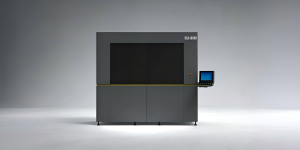
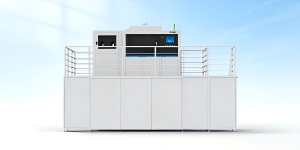


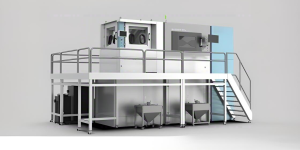


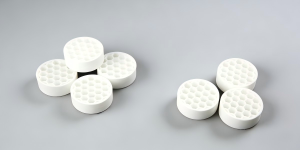
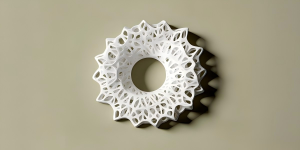





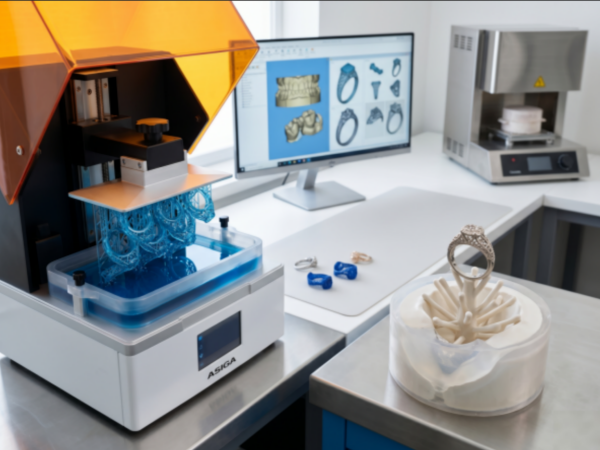
A castable resin 3D printer produces sacrificial patterns for investment casting. The printed pattern is invested, removed during a controlled burnout process, and replaced by molten metal. The printer, resin, investment and foundry cycle must work as a qualified system. A castable label does not guarantee an ash-free result in every casting process.
Select a complete casting workflow
Begin with the metal, geometry, surface requirements and casting supplier. Ask which resins and investments the foundry has successfully qualified. Confirm printer compatibility, supported exposure settings, pattern preparation and the current burnout instructions before buying equipment. Some castable materials contain wax; this is not a property of all castable resins.
Print patterns that can be handled and invested
Orient parts and place supports away from critical surfaces where practical. Check fine features, drainage and the strength needed during cleaning and investment. Large solid sections, hollow patterns and delicate filigree require different design decisions. Do not apply a single wall thickness, support angle or nesting distance to every printer and resin.
Wash, dry and cure according to the exact resin
Remove surface resin with the approved cleaning method and let the pattern dry as instructed. Post-curing requirements differ between castable products: some do not require it, while others specify or recommend a particular cycle. Do not apply a generic water-bath cure, long solvent soak or heat treatment to an unqualified material.
Investment and burnout
Use an investment compatible with the pattern chemistry and casting metal. Follow its mixing and setting instructions and the resin supplier’s validated burnout schedule. Flask size, pattern mass, kiln loading, calibration and ventilation affect the process. Do not add chemicals to the investment or substitute a universal heating ramp without the manufacturer’s approval and process validation.
Investigate casting defects systematically
For cracking or rough surfaces, compare pattern preparation, investment compatibility, mix records and the measured kiln cycle. For incomplete filling or porosity, also investigate the metal and casting process. Change one variable at a time and retain samples and photographs. A pattern defect and a metal-casting defect can require different remedies.
Compare in-house printing with outsourcing
Compare cost per accepted casting rather than resin volume alone. Include equipment, training, operator time, supports, cleaning, waste, investment, energy, rejects, finishing and inspection. Test representative parts through the entire foundry workflow before claiming savings or payback. There is no universal percentage reduction or guaranteed casting success rate.
Manufacturer references and next steps
Consult Formlabs casting guidance, and the instructions for Castable Wax or True Cast when using those named products. These are examples, not settings for other manufacturers. Review our washing guide or send your pattern and casting requirements for a workflow discussion.