










A conventional layer-based 3D printer needs a way to support each newly formed region. An isolated feature that begins above the build surface with no connection to an earlier layer is often called an island or floating layer. The solution depends on the printing process and geometry; not every overhang requires the same support strategy.
Inspect the sliced layers
Use layer preview to find where a feature first appears. Check whether it connects to the bed, a supported region or a suitable earlier layer. Repair disconnected geometry and confirm the slicer’s interpretation before changing machine settings.
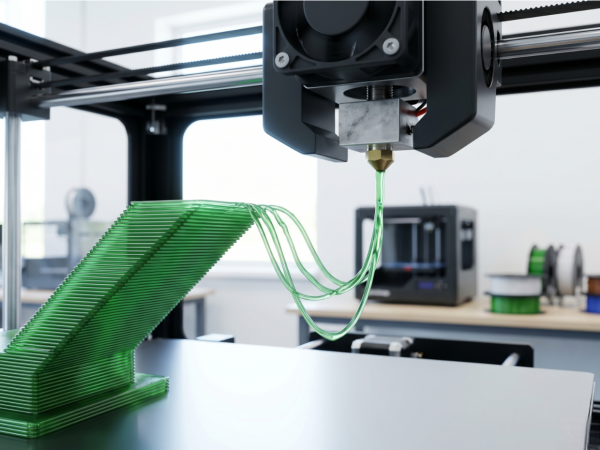
Filament printing: bridges and overhangs
A bridge spans between existing anchors; it is different from an isolated island. Success depends on span, material, extrusion, cooling and the machine. Use a representative test rather than a universal fan speed, angle or bridge length. Reorienting or splitting a part can reduce support needs.
Resin printing: support the first exposed region
In bottom-up resin printing, an unsupported island can fail to attach to the growing part. Inspect minima, support contacts and separation loads. Follow the machine and material guidance; adding supports indiscriminately can damage critical surfaces and complicate cleaning.
Powder-bed processes
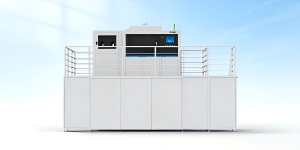
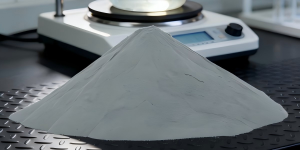
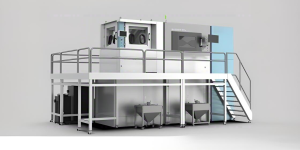
Surrounding powder can support some geometries, but requirements vary by process. Metal powder-bed fusion can still require supports for heat transfer, anchoring and distortion control. Enclosed regions also need a powder-removal plan.
Choose a geometry-based remedy
Consider orientation, a chamfer or self-supporting shape, planned supports, a split-and-join workflow or a different process. Account for support access and the surface left after removal. Confirm that the remedy preserves the part’s function and tolerances.
Validate the finished result
Complete support removal and the full processing route. Inspect critical dimensions and surfaces, and repeat relevant tests for production. A completed print does not alone establish that a thin bridge or concealed feature meets the specification.
Related guides
Review thin-feature design and the resin-printing workflow, or request a geometry review.