







Shouyu

3D printed additive manufacturing hydraulic manifold with optimized internal fluid channels

Additive Manufacturing Hydraulic Manifolds: How Metal 3D Printing Is Changing Fluid Systems

Back to 3D Printing in Aerospace Written by: Felix LeeCEO at Forgecise Published: August 2026Last Updated: August 2026 Topic Areas: Quick Answer Additive manufacturing hydraulic manifolds are metal 3D printed fluid control components that allow engineers to create optimized internal channels, reduce weight, lower pressure loss, and improve system performance. Unlike traditional machined manifolds, they

Additive Manufacturing Hydraulic Manifolds: How Metal 3D Printing Is Changing Fluid Systems Read More »

Cross-section of an ultra-thin-wall TPMS heat exchanger showing complex internal lattice channels created through metal additive manufacturing.

Ultra-Thin-Wall Heat Exchangers: How TPMS and Metal 3D Printing Change Cooling

Back to 3D Printing in Aerospace Published: August 17, 2026Last Updated: August 17, 2026 Author: Felix Lee, CEO at Forgecise Expertise: Advanced Manufacturing | Thermal Engineering | Additive Manufacturing Applications About the Author Felix Lee is the CEO at Forgecise, where he focuses on advanced manufacturing technologies and engineering solutions for next-generation industrial applications. His

Ultra-Thin-Wall Heat Exchangers: How TPMS and Metal 3D Printing Change Cooling Read More »

3D printed aerospace fuel nozzle made with metal additive manufacturing for modern jet engines

3D Printed Fuel Nozzle: Aerospace Manufacturing Guide

Back to 3D Printing in Aerospace Written by: Felix LeePosition: CEO at ForgeciseExpertise: Advanced Manufacturing, Industrial Technology, Aerospace Innovation Published: August 2026Last Updated: August 2026 What Is a 3D Printed Fuel Nozzle? A 3D printed fuel nozzle is a jet engine component made with metal additive manufacturing instead of traditional machining, welding, and assembly. It

3D Printed Fuel Nozzle: Aerospace Manufacturing Guide Read More »

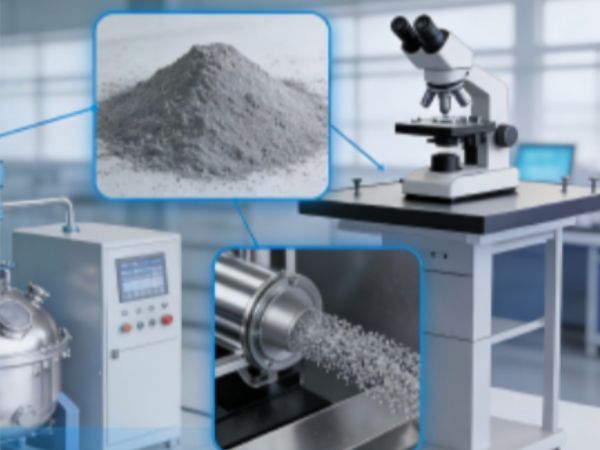
Metal 3D printing powder engineering laboratory showing additive manufacturing powder analysis, particle testing, and production equipment

3D Printing Powder Engineering: How Powder Quality Drives Industrial Additive Manufacturing

Back to Powder Engineering Written by Felix LeeCEO at Forgecise Last Updated: August 17, 2026 About the Author Felix Lee is the CEO at Forgecise, focusing on additive manufacturing strategy, industrial materials, and production optimization. His work involves helping companies understand how powder quality, material selection, and manufacturing processes affect the reliability and cost of

3D Printing Powder Engineering: How Powder Quality Drives Industrial Additive Manufacturing Read More »

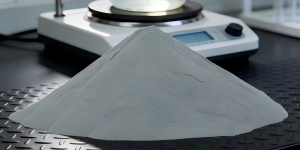
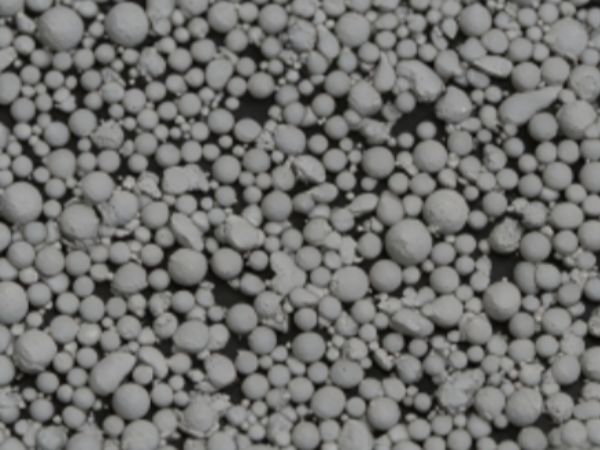
Spherical metal powder particles for additive manufacturing showing uniform particle morphology and powder quality

Metal Powder Engineering for Additive Manufacturing: Sieving, Classification, Safety, and Recycling

Back to Powder Engineering Quick Answer:Metal powder engineering controls powder size, shape, chemistry, flowability, and handling processes to produce reliable additive manufacturing parts. In LPBF, DED, and Binder Jetting, powder quality directly affects layer consistency, part strength, surface finish, and production success. Author: Felix Lee, CEO at ForgecisePublished: August 17, 2026Last Updated: August 17, 2026

Metal Powder Engineering for Additive Manufacturing: Sieving, Classification, Safety, and Recycling Read More »

Metal additive manufacturing powder surrounding a 3D printed component during powder bed processing

3D Printing Powder Automation Guide for Industry 2026

Back to Powder Engineering Author: Felix LeePosition: CEO at ForgecisePublished Date: August 17, 2026 What Is 3D Printing Powder Automation? Short answer:3D printing powder automation is a system that automatically collects, transports, cleans, stores, and reuses printing powder during additive manufacturing. It reduces manual handling, improves safety, lowers material waste, and helps manufacturers build more

3D Printing Powder Automation Guide for Industry 2026 Read More »

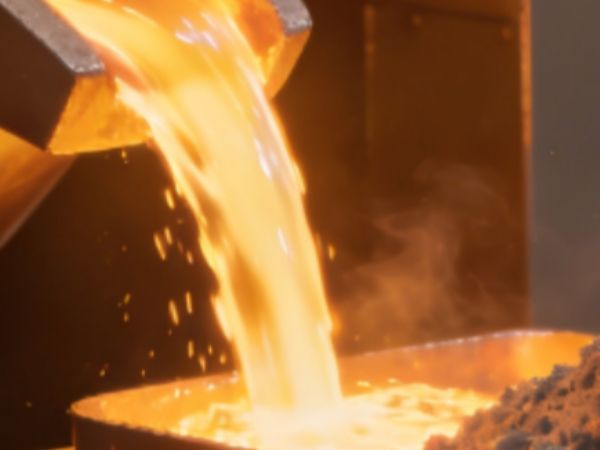
Molten metal alloy melting process for metal 3D printing and additive manufacturing

Metal 3D Printing Melting and Alloying: How Laser Energy Creates Advanced Metal Structures

Back to Powder Engineering Written by Felix LeeCEO at Forgecise Published: August 2026Last Updated: August 2026 Quick Answer Metal 3D printing melting and alloying is the process of using laser or electron beam energy to melt metal powder, form a controlled melt pool, mix alloy elements, and rapidly solidify the material. This process controls the

Metal 3D Printing Melting and Alloying: How Laser Energy Creates Advanced Metal Structures Read More »

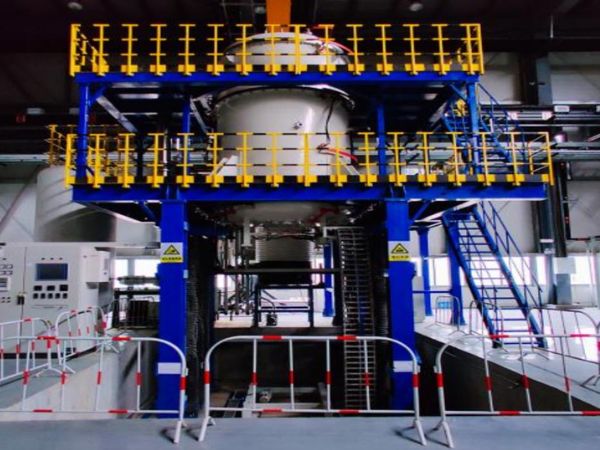
Large vertical vacuum heat treatment furnace used for aerospace alloy, titanium alloy, and stainless steel component processing with high temperature precision control.

Vertical Vacuum Heat Treatment Furnace for Aerospace and High-Performance Alloy Processing

Back to Parts Manufacturing Last Updated: August 14, 2026 Author: Felix Lee, CEO at ForgeciseReviewed by: Forgecise Engineering Team Quick Answer A vertical vacuum heat treatment furnace is an industrial furnace designed to heat treat large metal components inside a controlled vacuum environment. It is widely used for high-temperature alloys, titanium alloys, and stainless steel

Vertical Vacuum Heat Treatment Furnace for Aerospace and High-Performance Alloy Processing Read More »

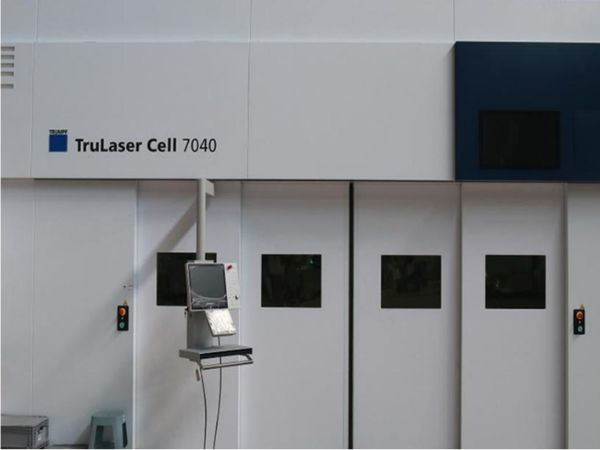
TruLaser Cell 7040 laser welding equipment with five-axis precision laser processing system for industrial manufacturing

TruLaser Cell 7040 Laser Welding Equipment: Precision 5-Axis Solution for Advanced Manufacturing

Back to Parts Manufacturing Quick Answer TruLaser Cell 7040 laser welding equipment is a high-precision industrial system designed for laser welding and laser cutting applications. It supports stainless steel, high-temperature alloys, circular seams, spatial intersecting seams, and irregular welding structures through five-axis motion control, Siemens 840D Solution Line technology, and accurate positioning performance. Key Points

TruLaser Cell 7040 Laser Welding Equipment: Precision 5-Axis Solution for Advanced Manufacturing Read More »

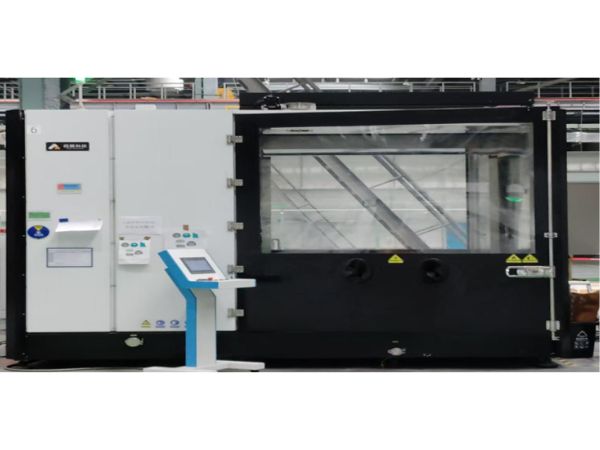
Vibration cleaning station for engine components with enclosed chamber and touchscreen control system

Vibration Cleaning Station for Engine Components: A Practical Guide for Automotive Manufacturing

Back to Parts Manufacturing Last Updated: August 14, 2026 Written by:Felix Lee, CEO at Forgecise Felix Lee works with industrial equipment solutions and manufacturing applications, focusing on how production companies can improve equipment selection, workflow design, and component preparation processes. Technical Review:Forgecise Engineering Team Quick Answer A vibration cleaning station is industrial equipment used to

Vibration Cleaning Station for Engine Components: A Practical Guide for Automotive Manufacturing Read More »