






Metal Powders
High-Quality Metal Powders for AM Applications
Powder is only one part of the route. If you need finished parts produced from these alloys, our metal 3D printing services page covers the processes we run, the materials we process and what to send for a quotation.
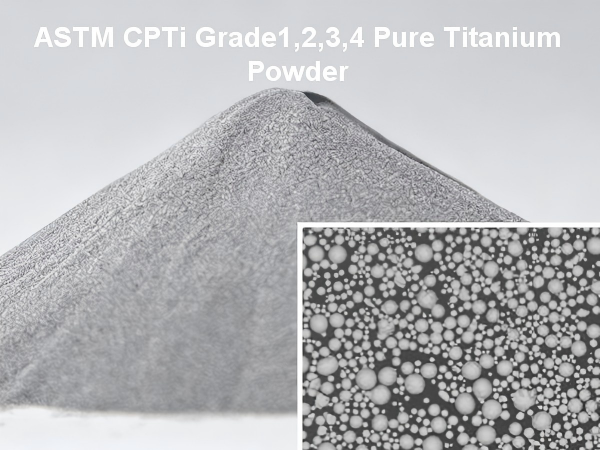
ASTM CPTi Grade1,2,3,4 Commercially Pure Titanium Powder for SLM & EBM 3D Printing | Forgecise
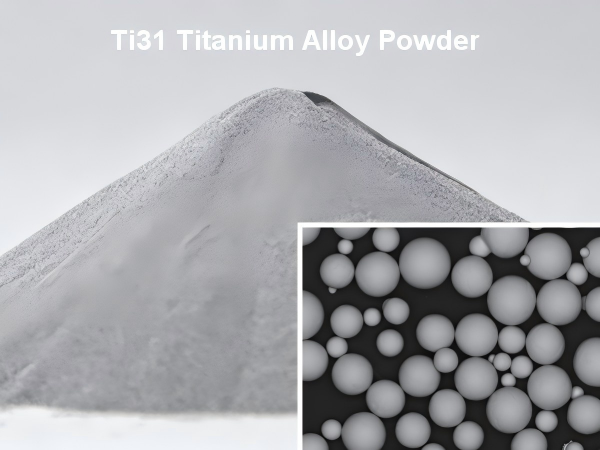
Ti31 Titanium Alloy Powder for SLM 3D Printing | Forgecise Industrial Grade
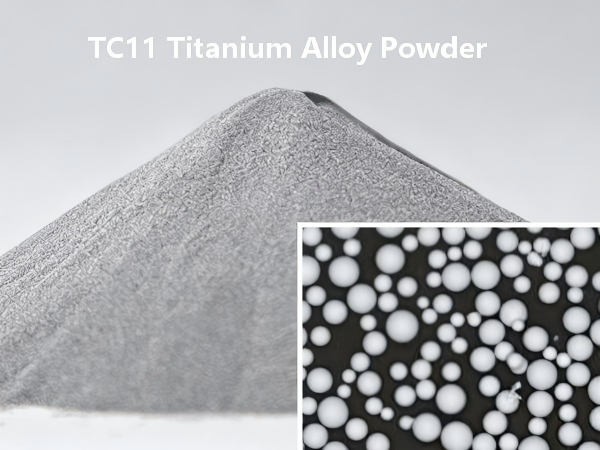
TC11 Titanium Alloy Powder for AM Metal 3D Printing| Forgecise Aerospace Grade
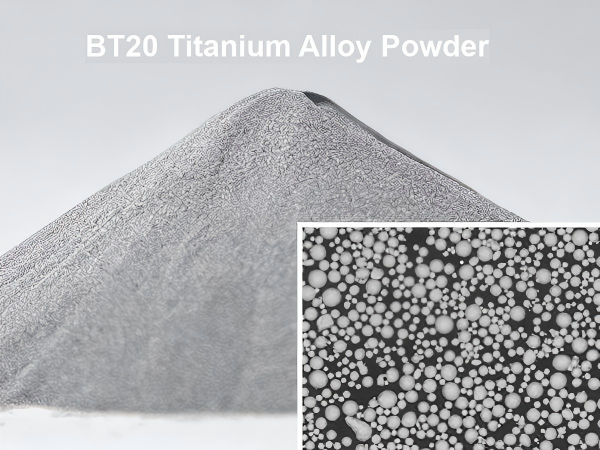
BT20 Titanium Alloy Powder for Metal 3D Printing AM | Forgecise Custom Ti Powders
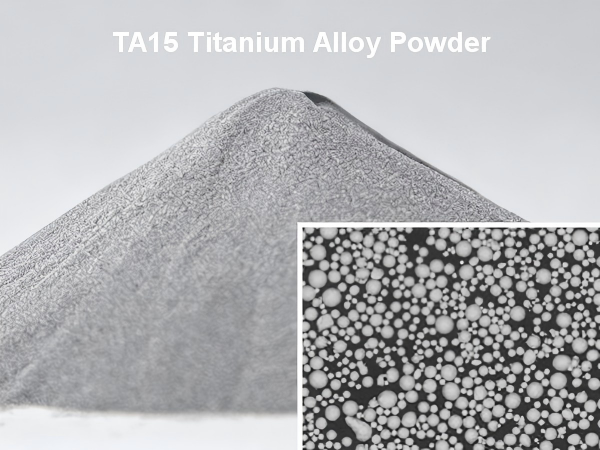
TA15 Titanium Alloy Powder for 3D Printing | Ti-6.5Al-1Mo-1V-2Zr
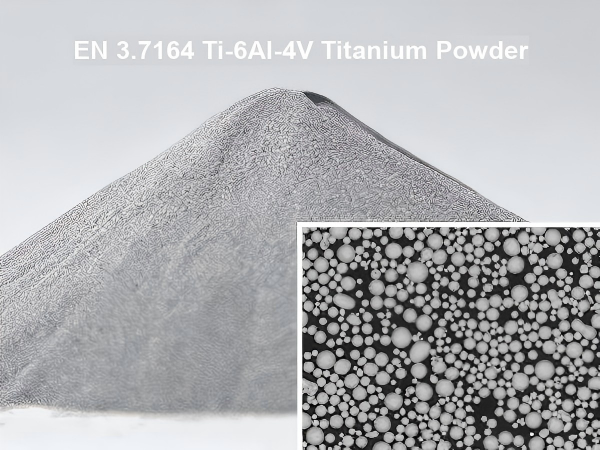
EN 3.7164 Ti-6Al-4V Titanium Alloy Powder for Metal 3D Printing | EU Medical & Aerospace AM
Metal powder alloys at a glance
Typical values for laser powder bed fusion after standard heat treatment. Mechanical properties depend on build orientation, porosity and post-processing — use this table to shortlist an alloy, then validate on your geometry.
| Alloy | Typical cut | Density | UTS | Common applications |
|---|---|---|---|---|
| 316L stainless steel | 15–45 µm | 7.9 g/cm³ | 600–650 MPa | Chemical, marine, food processing, medical instruments |
| 17-4PH stainless steel | 15–45 µm | 7.8 g/cm³ | 1,000–1,200 MPa (H900) | Mould tools, aerospace fittings, pump parts |
| Ti-6Al-4V | 15–45 / 20–63 µm | 4.43 g/cm³ | 1,000–1,100 MPa | Aerospace brackets, medical implants |
| Ti-6Al-4V ELI | 15–45 µm | 4.43 g/cm³ | 950–1,050 MPa | Orthopaedic and dental implants |
| AlSi10Mg | 20–63 µm | 2.67 g/cm³ | 350–400 MPa | Lightweight housings, heat exchangers |
| IN718 | 15–45 µm | 8.19 g/cm³ | 1,200–1,400 MPa | Turbine and rocket components, hot sections |
| CoCr (CoCrMo) | 15–45 µm | 8.3 g/cm³ | 1,000–1,200 MPa | Dental frameworks, medical implants, wear parts |
| CuCrZr | 15–45 µm | 8.9 g/cm³ | 350–500 MPa | Thermal management, induction coils, mould inserts |
| Maraging steel 1.2709 | 15–45 µm | 8.1 g/cm³ | 1,900–2,000 MPa (aged) | Injection mould inserts, high-strength tooling |
Need a composition outside this list? We run custom powder R&D from composition design through forming validation.
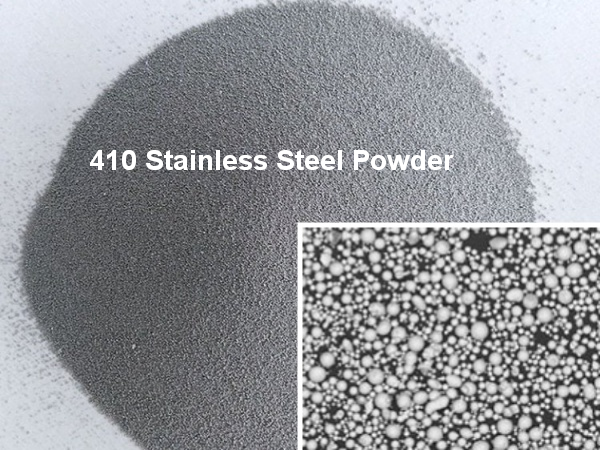
410 Stainless Steel Powder for AM 3D Printing | Martensitic, Heat-Treatable | Forgecise
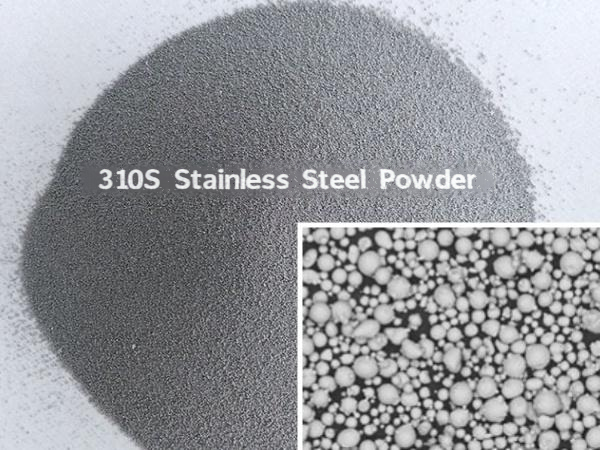
310S Stainless Steel Powder for High-Temperature AM Continuous Service | Forgecise
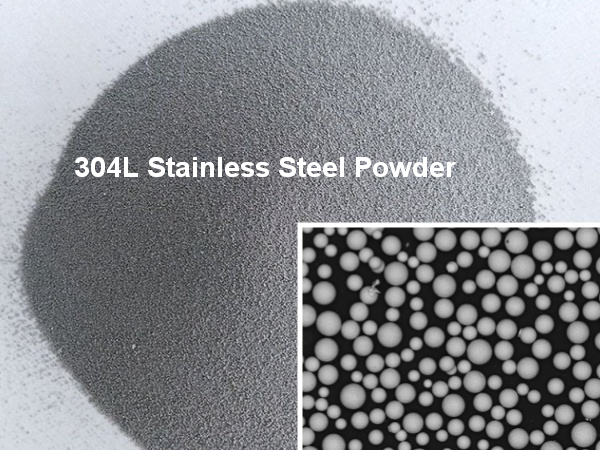
304L Stainless Steel Powder for SLM 3D Printing | Ultra-Low Carbon, High Ductility | Forgecise
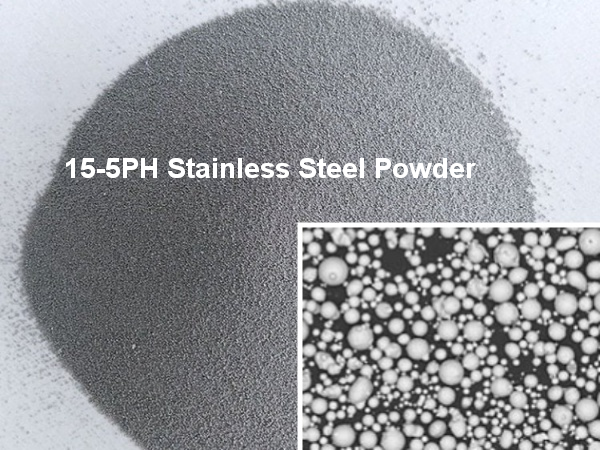
15-5PH Stainless Steel Powder for Additive Manufacturing | High Strength & Toughness
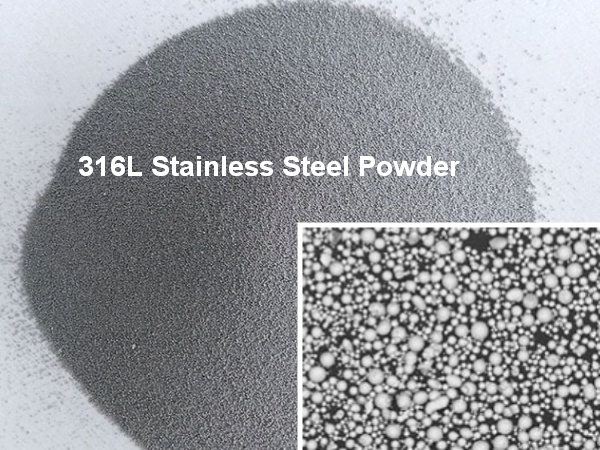
316L Stainless Steel Powder for SLM 3D Printing | High Flowability & Corrosion Resistant | Forgecise
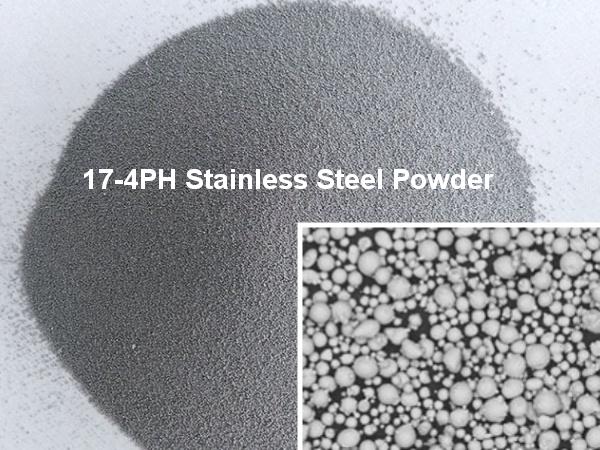
17-4PH Stainless Steel Powder for SLM 3D Printing | UNS S17400 / AISI 630 | High Strength | Forgecise
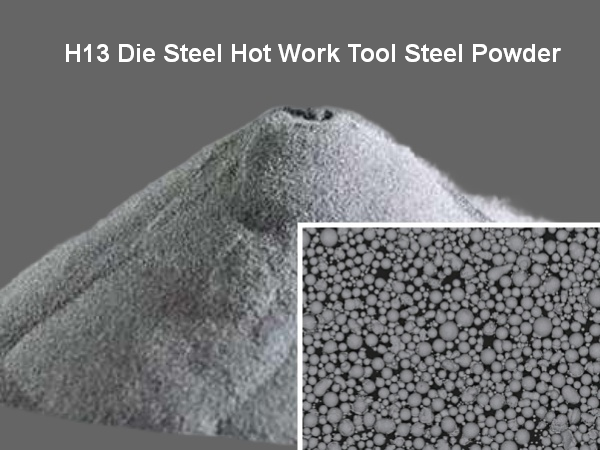
H13 Die Steel Powder for SLM 3D Printing | Hot Work Tool Steel Powder for Mold Manufacturing | Forgecise
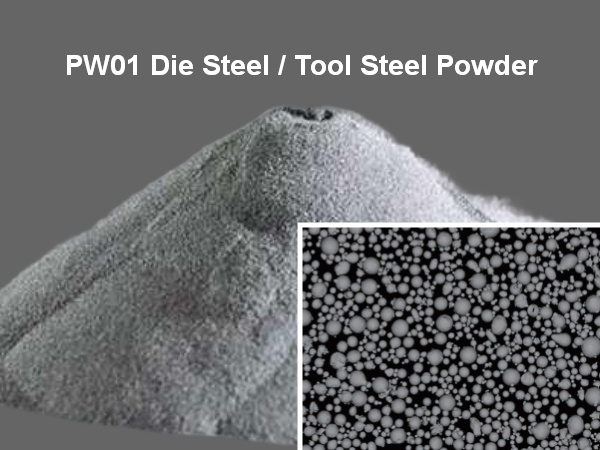
PW01 Die Steel Powder for SLM 3D Printing| Tool Steel Powder | Maraging Steel | Forgecise
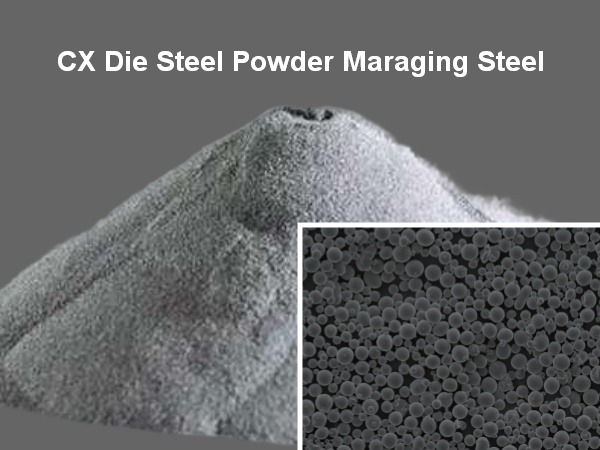
CX Maraging Die Steel Powder for SLM 3D Printing | High Strength Maraging Steel | Forgecise
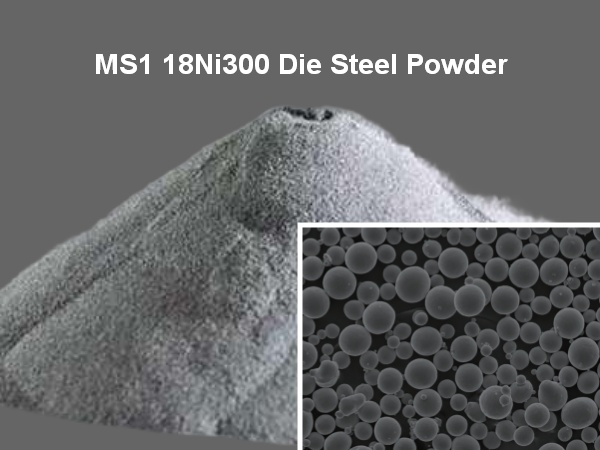
MS1 18Ni300 Die Steel Powder for SLM 3D Printing | Maraging 300| High Strength Maraging Steel | Forgecise
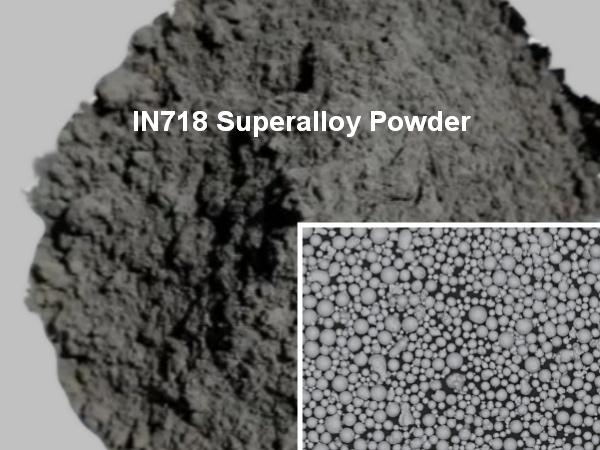
IN718 Superalloy Powder for SLM | Nickel-Based Additive Manufacturing | High-Temperature Applications
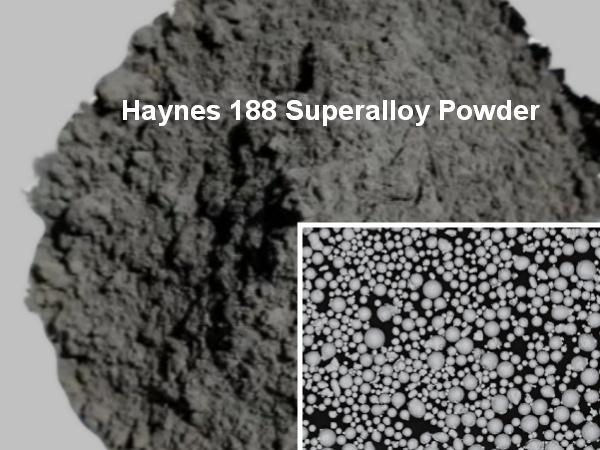
Haynes 188 Powder for SLM | High-Temperature Cobalt Superalloy | Selective Laser Melting Applications
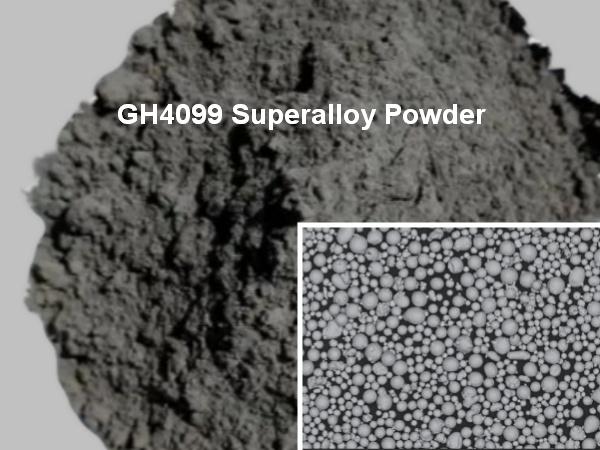
GH4099 Superalloy Powder for SLM | High-Temperature AM Material | Forgecise
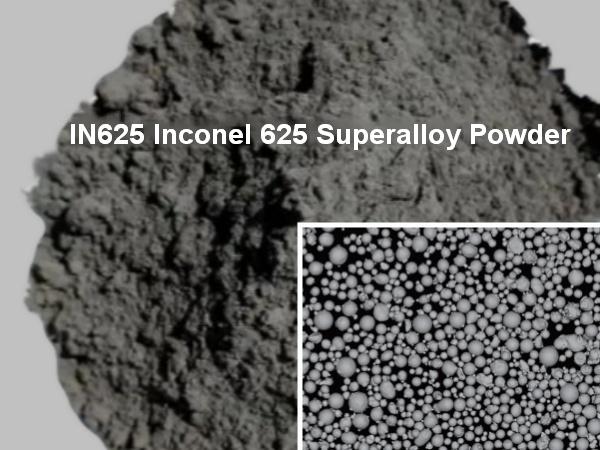
IN625 Inconel 625 Superalloy Powder for SLM | High-Temperature AM Material | Forgecise
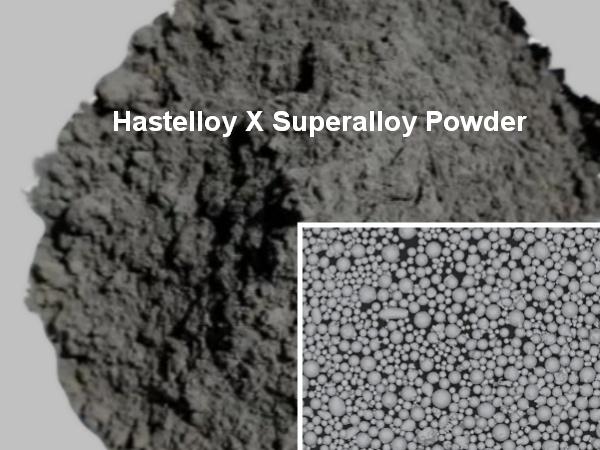
Hastelloy X Superalloy Powder for SLM | High-Temperature Aerospace AM Material
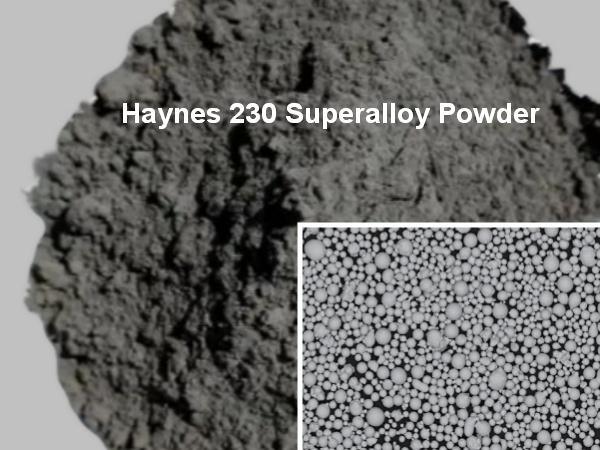
Haynes 230 Superalloy Powder for SLM | High-Temperature Aerospace Components | Forgecise
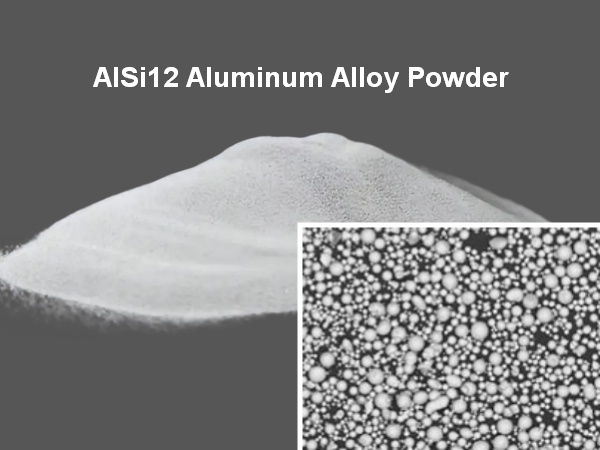
AlSi12 Aluminum Alloy Powder for SLM 3D Printing | High Thermal Conductivity | Forgecise
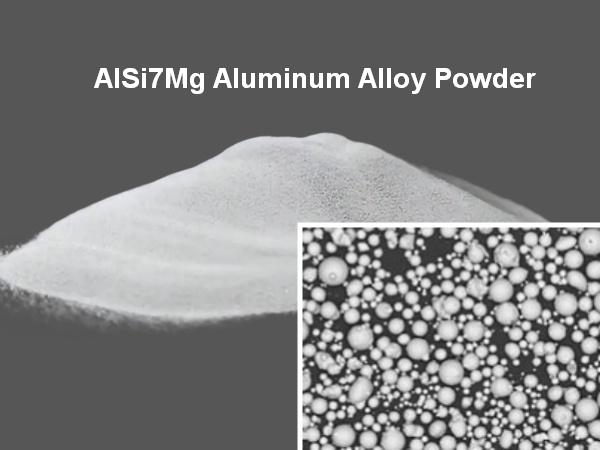
AlSi7Mg Aluminum Alloy Powder for SLM 3D Printing | High Toughness & Strength | Forgecise
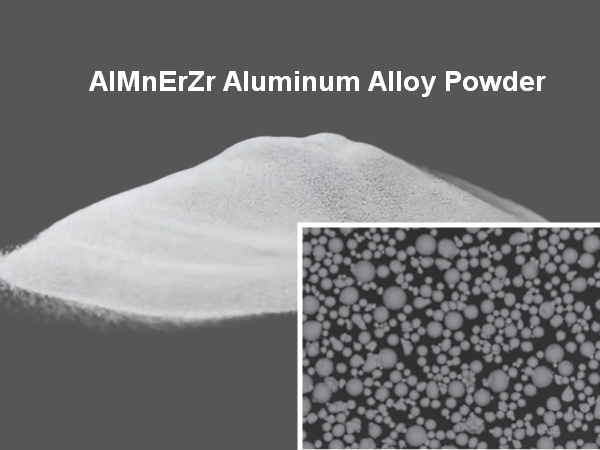
AlMnErZr Aluminum Alloy Powder for SLM 3D Printing | High-Performance | Forgecise
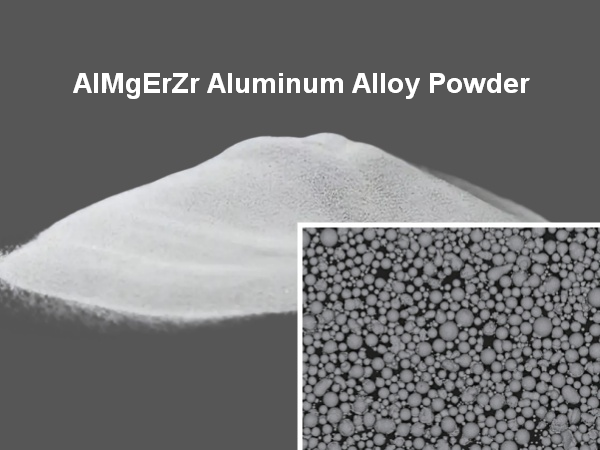
AlMgErZr Aluminum Alloy Powder for SLM 3D Printing | High Strength & Lightweight | Forgecise
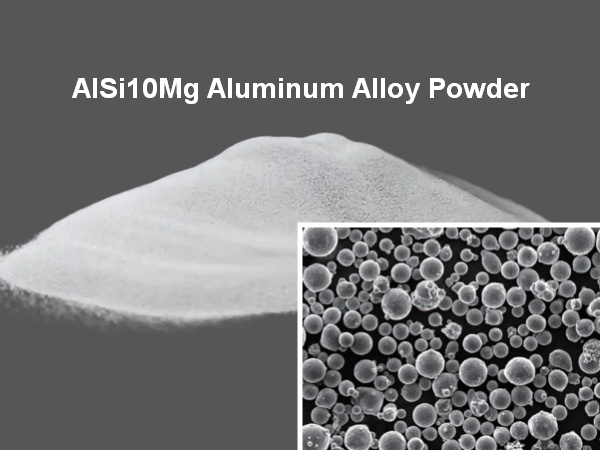
AlSi10Mg Aluminum Alloy Powder for SLM 3D Printing | Forgecise
AlSi10Mg Aluminum Alloy Powder for Selective Laser Melting (SLM) 3D printing Metal Additive Manufacturing
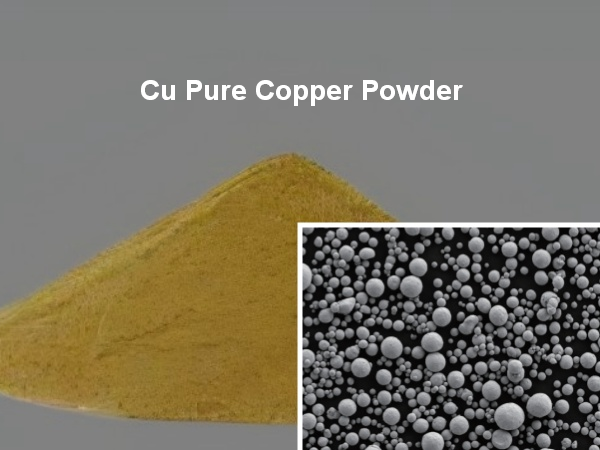
Cu Pure Copper Powder for SLM 3D Printing | High Thermal & Electrical Conductivity Powder | Forgecise
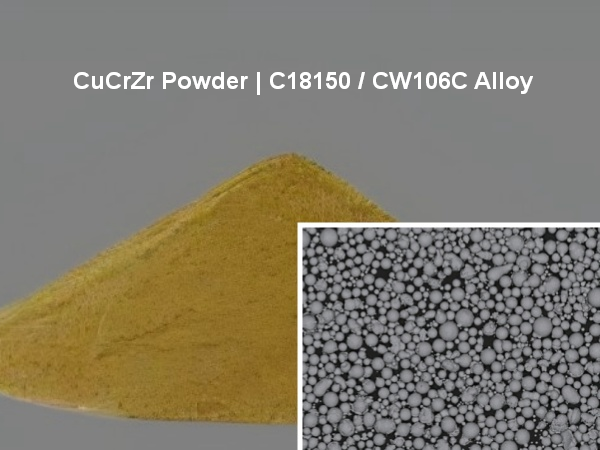
CuCrZr Powder for SLM | C18150 / CW106C Chromium Zirconium Copper Alloy | Forgecise
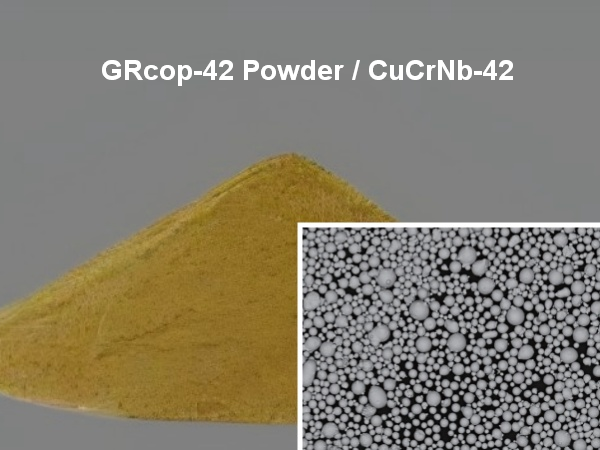
GRcop-42 Powder / CuCrNb-42 for SLM 3D Printing | High Thermal Conductivity Copper Alloy | Forgecise
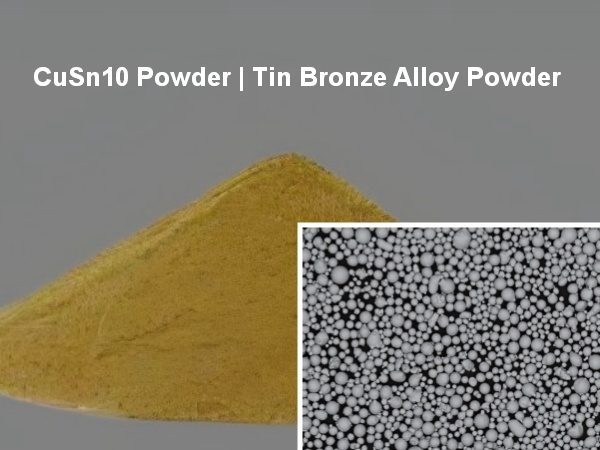
CuSn10 Powder for SLM 3D Printing | Tin Bronze Alloy Powder for Additive Manufacturing| Forgecise
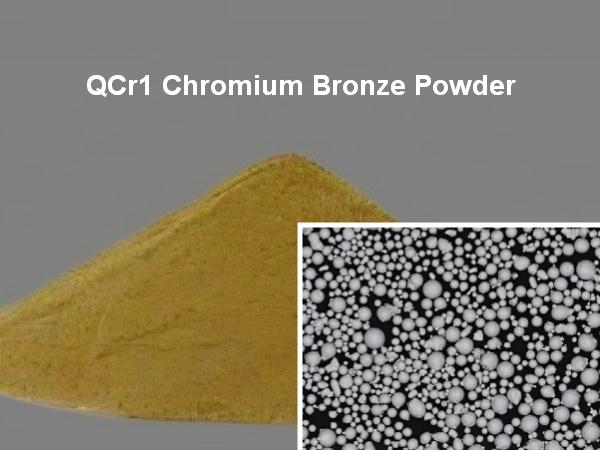
QCr1 Chromium Bronze Powder(High-Conductivity Copper Alloy) for Selective Laser Melting (SLM) 3D printing
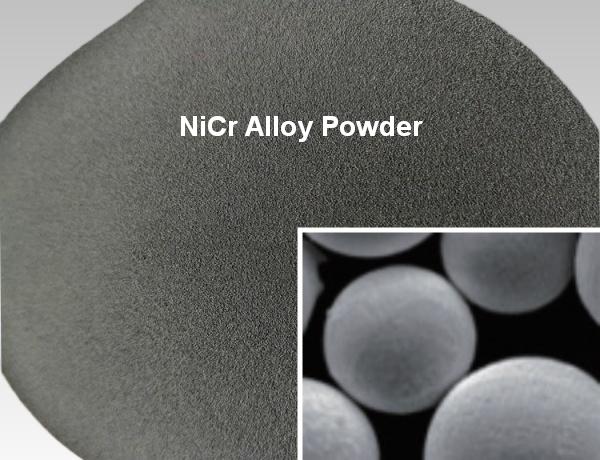
NiCr Powder for SLM | NiCrMo Dental Alloy | ASTM Compliant Metal Powder | Biocompatible Metal
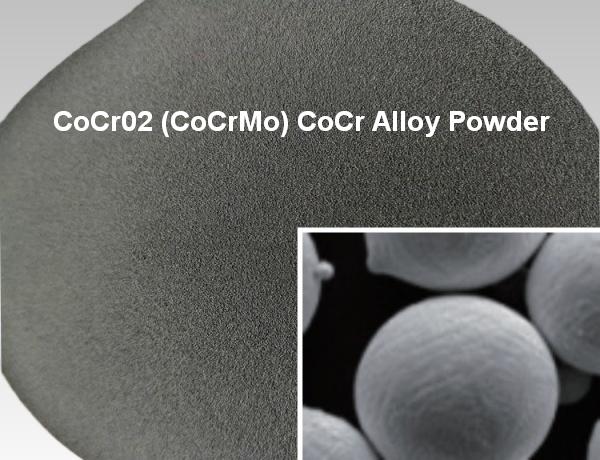
CoCr02 (CoCrMo) CoCr Alloy Powder for Medical SLM & EBM | Cobalt-Chromium-Molybdenum alloy Powder | Biocompatible Metal
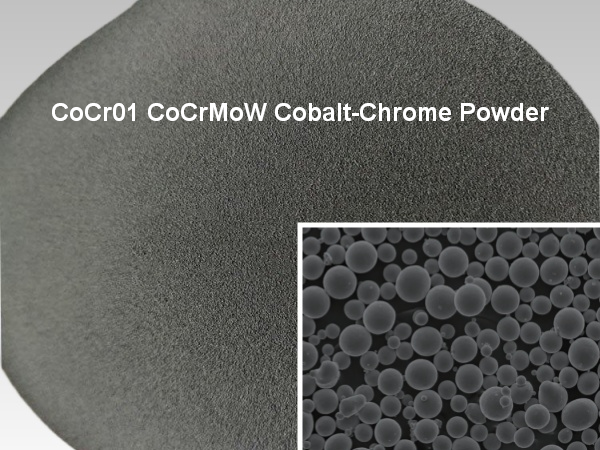
CoCr01 CoCrMoW Dental Alloy Powder | Cobalt-Chrome Powder for SLM/EBM | Biocompatible Metal | Forgecise
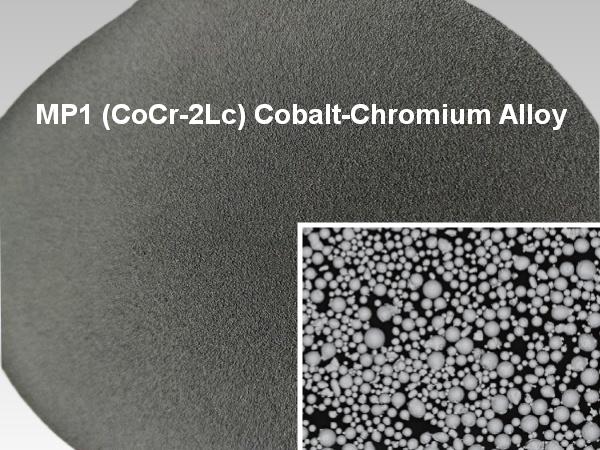
MP1 (CoCr-2Lc) Cobalt-Chromium Alloy Powder for Selective Laser Melting (SLM) 3D printing Metal Additive Manufacturing
How we specify and test every powder batch
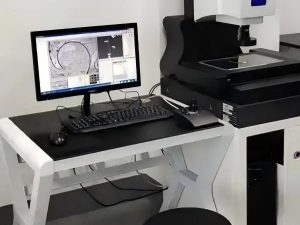
Powder that measures well on a datasheet can still ruin a build if the lot drifts. These are the parameters we report on each certificate, and the methods used to measure them.
| Parameter | Typical target | Method | Why it matters |
|---|---|---|---|
| Particle size distribution | 15–45 µm or 20–63 µm | Laser diffraction (ISO 13320) | Layer thickness, surface finish, recoater stability |
| Sphericity | > 0.90 | Dynamic image analysis | Flowability and packing density |
| Apparent density | 4.0–4.6 g/cm³ (316L) | Hall funnel (ISO 3923) | Consistent dosing and layer uniformity |
| Tap density | > 4.8 g/cm³ (316L) | Tap density tester | Indicates satellite content |
| Flow rate | < 20 s / 50 g | Hall flowmeter (ISO 4490) | Spreading behaviour at speed |
| Oxygen content | < 0.13 wt% (Ti-6Al-4V) | Inert gas fusion | Ductility and reuse life |
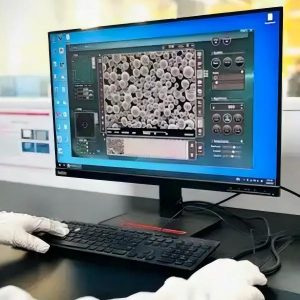
| Satellite / irregular fraction | < 5% | SEM image analysis | Porosity and surface defects |


Frequently asked questions about metal powders for 3D printing
Which particle size range should I specify for laser powder bed fusion?
Most L-PBF systems run 15–45 µm or 20–63 µm cuts. Finer cuts give better surface finish and thinner layers but flow more slowly and are more prone to agglomeration; coarser cuts build faster and are more forgiving on recoater stability. Choose the cut that matches your layer thickness and recoater type, then fix the PSD method in the PO so successive lots stay comparable.
How many times can powder be reused?
That is a process decision, not a material constant. Reuse is limited by oxygen pickup, satellite formation and fines generation, so the practical answer comes from tracking O₂, PSD and apparent density across builds. Most production shops requalify after 5–10 cycles and blend virgin powder at a defined ratio rather than running a fixed blanket limit.
What oxygen content is acceptable in titanium powder?
Typical acceptance is below 0.13–0.15 wt% O for Ti-6Al-4V, with tighter limits for ELI grades used in medical and aerospace work. Oxygen is the single most common cause of ductility loss in reused titanium powder, which is why it is measured per lot rather than per delivery.
Can you produce custom alloy compositions?
Yes. We run composition design, atomisation trials and forming validation as a single sequence, so a new alloy is proven on your geometry rather than only on a datasheet. Typical lead time for a custom trial batch is measured in weeks, and we document PSD, chemistry, sphericity and flowability for every batch.
Why does sphericity matter more than price per kilogram?
Irregular or satellite-heavy powder packs poorly, spreads unevenly and produces porosity that only shows up after HIP or machining. Because powder is a small fraction of the cost of a finished metal part, the cheapest lot is rarely the cheapest part — flowability and packing density are what protect yield.
Which alloys are available off the shelf?
Stainless steels (316L, 17-4PH), titanium (Ti-6Al-4V, ELI), aluminium (AlSi10Mg), nickel superalloys (IN718, IN625), cobalt chrome and copper alloys (CuCrZr) are standard. Maraging steel and custom compositions are produced to order — see the alloy table above for typical properties.